

 معاينة الحجم الواقعي
 إرسال
إرسال مشاركة
 عرض التفاصيل
 دليل الأعمال الفنية للطلاب

 تحميل
تحميل
 قطع مشابهة
 الأشعة السينية
 عرض شرائح متتابع
 الإحصائيات
Pavilion
 Oil On Canvas
- WallArt
- Bengal School of Art
 23.0 x 16.0 cm
 Victoria Memorial Hall
 اقرأ المزيد
نسخة زيتية مصنوعة يدوياً
لوحة زيتية مرسومة يدوياً على الكانفاس بالمقاس والإطار الذي تفضله، تُنفذ حسب الطلب على أيدي فنانينا. ( التبديل إلى المطبوعات التحويل إلى الصورة الرقمية)




P118B E£10

P118H E£10

P118W E£10

P438Z E£10

P508JH E£12

P508YH E£12

P805H E£10

P805Z E£10

P919BZ E£10

P919G E£10

P919XJ E£10

P959ZH E£10

P968JZ E£12

W106C E£8

W218G E£10

W218JH E£8

W218Y E£10

W307PJ E£10

W316G E£10

W316PJ E£8

W316Y E£10

W398PJ E£8

W4111J E£10

W500HY E£15

W500JH E£15

W692G E£12

W849H E£8

W940BG E£15

W953PJ E£8




اختر من بين أحجامنا المُعدّة مسبقاً والتي تتوافق مع النسب الأصلية للعمل الفني.

أدخل العرض والارتفاع اللذين تحتاجهما، ليتناسب العمل مع إطارك أو جدارك. وبما أن هذه اللوحة مرسومة يدوياً، ففي حال اختيار مقاس بشكل مختلف، يمكن للفنان رسم مساحة إضافية حول الصورة أو تقليصها قليلاً — الخيار لك. سنرسل لك نموذجاً رقمياً تجريبياً لاعتماده قبل البدء في الرسم. علماً بأن الصورة المعروضة في هذه الصفحة لا تعكس النتيجة النهائية الحقيقية — فالنموذج التجريبي هو الوحيد الذي يوضح ذلك بدقة.
بعد إتمام الطلب، سيرسل فريق OriginalUniqueArt.com بريداً إلكترونياً للعميل لطلب التعليمات وتزويده بمعاينة تجريبية (mockup).
توصيل عالمي إلى خلال 3 إلى 4 أسابيع بدلاً من المدة المعتادة البالغة 5 أسابيع. (25 أكتوبر). جودة لا تهاون فيها.

شحن سريع ومجاني لجميع أنحاء العالم

قماش كتان فاخر

تأمين شامل على الشحن

ضمان استرداد الرسوم الجمركية

ضمان دقة مطابقة الألوان

سياسة الإرجاع خلال 100 يوم (في حالات العيوب فقط)

ضمان استرداد نقدي بنسبة 100%

عرض خصم الكميات
 خيار الزجاج متاح فقط للمقاسات التي تقل عن 110 سم

Pavilion
وسيط إعادة الإنتاج
مقاس النسخة المطبوعة
-


إجمالي السعر
E£ 15526
Abanindranath Tagore’s “Pavilion”: A Bridge Between East and West
The artwork presented here, Abanindranath Tagore's "Pavilion," isn’t merely a depiction of a building; it’s a carefully constructed visual poem, a pivotal moment in the history of Indian art. Painted in 1907, during a period of intense nationalistic fervor and artistic experimentation, this work represents Tagore’s audacious attempt to synthesize traditional Indian aesthetics with Western influences – a strategy that fundamentally reshaped the landscape of modern Indian painting. It's a piece brimming with symbolism, inviting viewers to contemplate themes of spirituality, identity, and the evolving relationship between tradition and modernity.
Tagore, deeply influenced by the Japanese aesthetic—particularly its emphasis on calligraphy and flattened perspective—and inspired by the Mughal and Rajput miniature traditions, sought to create an art form that resonated with Indian sensibilities. He deliberately rejected the academic realism prevalent in Western art schools, which he viewed as cold and devoid of spiritual depth. Instead, he drew upon the rich visual vocabulary of ancient India – its vibrant colors, stylized forms, and symbolic imagery—and infused it with a distinctly modern sensibility. “Pavilion” exemplifies this approach perfectly; it’s not a photographic representation but rather an evocative interpretation, prioritizing mood and feeling over strict adherence to reality.
A Symphony of Color and Symbolism
The painting immediately captivates the eye with its rich palette—a deliberate departure from the muted tones favored by Western artists. Deep blues and greens dominate the composition, evoking a sense of tranquility and spirituality, while bursts of crimson, gold, and saffron inject vibrancy and energy. These colors aren’t simply decorative; they carry profound symbolic weight. Blue represents the heavens and spiritual realms, red signifies passion and life force, and gold embodies divinity and enlightenment. The use of these hues is deeply rooted in Hindu iconography and reflects Tagore's desire to reconnect with India’s ancient spiritual heritage.
The pavilion itself—a structure reminiscent of Mughal palaces but imbued with a distinctly Indian character—is rendered with a flattened perspective, echoing the style of Japanese woodblock prints. The arched doorway, framed by intricate floral motifs and stylized clouds, serves as a focal point, drawing the viewer’s eye into the heart of the composition. Notice the deliberate simplification of forms – a hallmark of both Mughal and Japanese art—which contributes to the painting's serene and contemplative atmosphere. The figures depicted within the pavilion are not realistically rendered but rather presented as stylized silhouettes, further emphasizing the work’s symbolic nature.
Historical Context and Artistic Significance
“Pavilion” was created during a crucial period in Indian history—the early 20th century—a time marked by growing nationalist sentiment and a desire to reclaim India's cultural identity after centuries of colonial rule. Tagore’s art played a significant role in this movement, providing a visual language for expressing Indian values and traditions. He founded the Bengal School of Art, which championed a distinctly Indian style of painting that drew inspiration from both ancient and contemporary sources. This school challenged the dominance of Western artistic styles and paved the way for a new generation of Indian artists.
Tagore’s work wasn't without its critics. Some accused him of diluting traditional Indian art by incorporating Western elements, while others praised his innovative approach to blending Eastern and Western aesthetics. However, “Pavilion” remains a testament to Tagore’s artistic vision—a bold and ambitious attempt to create an art form that was both deeply rooted in India's cultural heritage and open to new influences. It stands as a pivotal work in the development of modern Indian painting, demonstrating the power of art to shape national identity and express complex ideas.
A Timeless Masterpiece for Your Space
Reproduced on high-quality canvas or paper, Abanindranath Tagore’s “Pavilion” offers a captivating glimpse into India's rich artistic heritage. Its serene composition, vibrant colors, and evocative symbolism make it an ideal addition to any home or office space. Whether you are drawn to its spiritual depth, its historical significance, or simply its aesthetic beauty, this artwork is sure to inspire contemplation and add a touch of timeless elegance to your surroundings. Consider commissioning a hand-painted reproduction from OriginalUniqueArt.com for a truly authentic experience.
الأسئلة والأجوبة
هل ألوان "Pavilion" للفنان أبانيندراناث طاغور مشبعة أم خافتة؟
تتميز لوحة "Pavilion" للفنان أبانيندراناث طاغور بدرجة تشبع تبلغ Balanced Soft.
هل يتوفر خيار التنزيل لـ "Pavilion"؟
يتوفر خيار التنزيل لـ "Pavilion": حيث توفر صفحة تحميل الخاصة بالعمل الفني تحميل صورة رقمية عالية الدقة.
ما هي التقنية والأبعاد الخاصة بـ "Pavilion" للفنان أبانيندراناث طاغور؟
العمل الأصلي "Pavilion" للفنان أبانيندراناث طاغور هو عمل من نوع Oil On Canvas وبمقاس 23 x 16 cm. تصف التقنية والحجم القطعة الأصلية.
نبذة عن الفنان
النشأة والجذور الأولى
- الميلاد: 7 مايو 1861، جورانسانكو، كلكتا، الهند البريطانية
- الوفاة: 5 ديسمبر 1951
- العائلة: ينتمي إلى عائلة "تاغور" المرموقة؛ وهو ابن أخ الشاعر الشهير رابندرانات تاغور. كان جده جيريندرناث تاغور، ووالده غويندرناث تاغور.
- التعليم: درس في كلية سانسكريت بكلكتا في ثمانينيات القرن التاسع عشر، ثم التحق لاحقاً بمدرسة كلكتا للفنون.
التطور الفني والمؤثرات الإبداعية
- التدريب المبكر: تعلم فن الألوان الباستيل على يد "أو. غيلاردي"، وفن الرسم الزيتي على يد "تشارلز بالمر" في مدرسة كلكتا للفنون.
- الأسلوب المغولي والراجپوتي: سعى إلى تحديث هذه الأسالط التقليدية، رافضاً النماذج الفنية الغربية السائدة.
- قيم "سواديشي": دمج قيم حركة "سواديشي" الوطنية في فنه، مروجاً للتقاليد الهندية الأصيلة.
- جماليات ويستلر: تأثر بالمبادئ الجمالية للفنان ويستلر.
- التأثير الياباني: دمج لاحقاً تقاليد الخط الصيني والياباني في أسلوبه الخاص بعد لقائه بالفنانين "تيكان" و"هيسيدا".
الأعمال الكبرى والإسهامات الفنية
- روهيني II: عمل بارز يبرز مهارته الفنية الفائقة.
- رحيل شاه جهان: لوحة هامة أخرى تعكس أسلوبه الفريد.
- زهرة الموسم في مزهرية: تجسد إتقانه للتقنية واختيار الموضوعات.
- سلسلة ألف ليلة وليلة (1930): تُعد واحدة من أعظم إنجازاته، حيث استخدم قصص ألف ليلة وليلة لاستكشاف ملامح كلكتا في الحقبة الاستعمارية.
- بهارات ماتا: لوحة رمزية عظيمة تجسد "الأم الهند".
- مؤسس مدرسة البنغال للفنون: لعب دوراً محورياً في تشكيل ملامح الرسم الهندي الحديث وتعزيز الفن القومي.
- الجمعية الهندية للفنون الشرقية (1907): أسس هذه الجمعية بهدف إحياء وترويج أشكال الفن الهندي التقليدي.
الإرث والأهمية التاريخية
- رائد الرسم الهندي الحديث: يُعترف به كشخصية محورية في تطور الفن الهندي المعاصر.
- التأثير على الفنانين اللاحقين: كان معلماً وملهماً لفنانين بارزين مثل ناندالال بوز، وأسيت هالدر، وكشيتيندراناث ماجومدار، وجاميني روي.
- إحياء الأشكال الفنية التقليدية: دعا بقوة إلى العودة إلى التقنيات والأساليب الهندية التقليدية.
- الأثر في أدب الأطفال البنغالي: كتب قصصاً مؤثرة للأطفال مثل راجكاهيني، وبودو أنغلا، ونالاك، وخيرير بوتول.
- كنوز فنية وطنية: تُعتبر أعماله بمثابة كنوز فنية وطنية لا تقدر بثمن.

أبانيندراناث طاغور
1871 - 1951 , الهند
لمحة سريعة
- Artistic Movement Or Style: مدرسة البنغال للفنون
- Artists Or Movements Influenced By This Artist:
- ناندالال بوز
- كشيتيندراناث ماجومدار
- جاميني روي
- Artists Who Influenced This Artist:
- ويسلر
- فنانو المغول
- فنانو راجبوت
- Date Of Birth: 7 مايو 1871
- Date Of Death: 5 ديسمبر 1951
- Full Name: أبانيندراناث تاغور
- Nationality: هندي
- Notable Artworks:
- روهيني II
- وفاة شاه جهان
- زهرة الموسم في مزهرية
- Place Of Birth: جوراسانكو، الهند
مقالات ذات صلة

Raja Ravi Varma: Bridging Tradition & Modernity in 19th-Century Indian Art
Explore the life & art of Raja Ravi Varma, a pioneer who fused European techniques with Indian iconography. Discover his iconic paintings, lasting legacy, and influence on modern Indian art at OriginalUniqueArt.
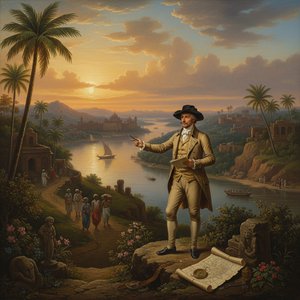
Thomas Daniell: Navigating Light, Landscape & Cultural Exchange in Early 19th-Century India
Explore the captivating landscapes of Thomas Daniell, a pioneering artist who documented India's beauty in the 19th century. Discover his 'Oriental Scenery,' aquatint technique & lasting legacy. Hand-painted reproductions available at OriginalUniqueArt.
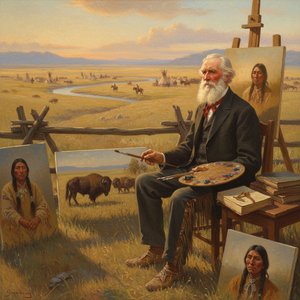
Joseph Henry Sharp: Capturing the Spirit of the Plains – Life, Art & Legacy
Explore the life & art of Joseph Henry Sharp, a founding member of the Taos Society of Artists renowned for his realistic depictions of Native American culture and Western landscapes. Discover his legacy with OriginalUniqueArt.
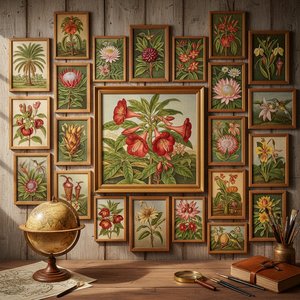
Marianne North's Masterpieces: 25 Botanical Paintings That Bloom With Adventure | OriginalUniqueArt
Journey through the vibrant world of Marianne North’s botanical paintings! Explore 25 iconic artworks from this Victorian artist, celebrating exotic flora & travel. Find museum-quality reproductions and curated decor ideas at OriginalUniqueArt.com.
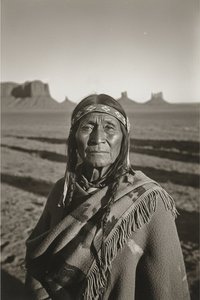
Shadow Catcher: Edward S. Curtis & the Ethnographic Portraiture of a Vanishing West
Explore the life & work of Edward S. Curtis, the 'Shadow Catcher,' and his groundbreaking photographic documentation of Native American cultures. Discover iconic images from *The North American Indian* and a critical look at his lasting legacy.
