


A Cathedral’s Legacy: The Heart of Museum am Dom
Nestled within the vibrant city of Würzburg, Germany, Museum am Dom stands as a remarkable testament to centuries of artistic and religious devotion. More than just a museum, it's an experience—a carefully orchestrated dialogue between the imposing Würzburg Cathedral towering above and the treasures housed within its walls. The museum’s very existence is rooted in this powerful juxtaposition, offering visitors an unparalleled opportunity to trace the evolution of art through a profoundly spiritual lens. Initially conceived as a space to safeguard the relics of Saint Kilian, the cathedral's patron saint, it has blossomed into a comprehensive collection spanning from the 10th to the 21st centuries, showcasing a breathtaking range of styles and techniques – from the raw power of medieval iconography to the refined elegance of Baroque masterpieces and the contemporary perspectives offered by modern exhibitions.
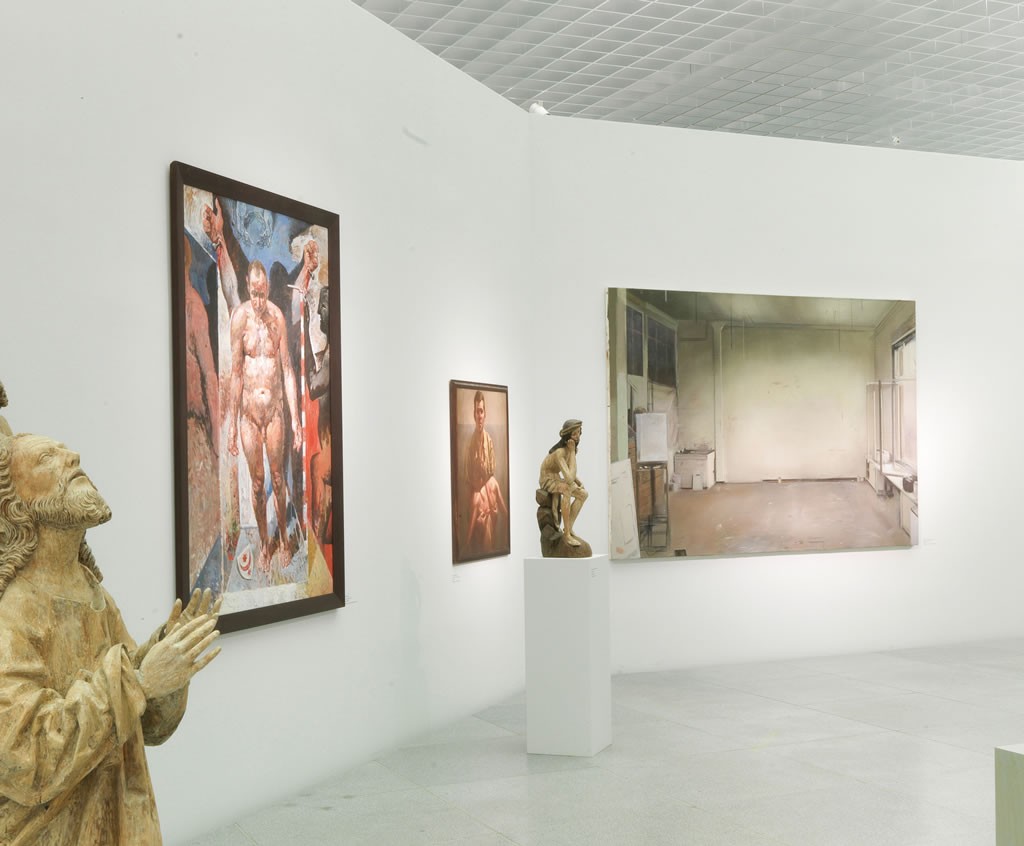
The museum’s core strength lies in its religious art collection. This isn't merely a display of devotional objects; it’s an exploration of faith expressed through artistic mediums. Early Christian works, imbued with symbolism and nascent beauty, give way to the grandeur of medieval illuminated manuscripts and intricately carved reliquaries. The Baroque period explodes onto the scene with opulent altarpieces and dramatic sculptures, reflecting the fervor and theatricality of the era. Yet, Museum am Dom doesn’t simply present these periods in isolation. Instead, it masterfully weaves them together, demonstrating how artistic styles and religious beliefs have continuously influenced and reshaped one another throughout history.
- Medieval Treasures: Discover early Christian iconography, showcasing the craftsmanship of a bygone era.
- Baroque Splendor: Immerse yourself in the dramatic beauty of Baroque paintings and sculptures, reflecting the region’s artistic heritage.
- Contemporary Exhibitions: Engage with modern art, offering fresh perspectives on faith and spirituality.
The Architectural Context: A Cathedral Within a Museum
What truly distinguishes Museum am Dom is its intimate relationship with the Würzburg Cathedral. The museum’s location – directly adjacent to this magnificent Gothic structure – isn't merely coincidental; it’s integral to the visitor experience. Originally, the cathedral served as a repository for the relics of Saint Kilian, and the museum evolved from that initial purpose. The architectural design itself subtly echoes the cathedral’s grandeur, creating a harmonious blend of old and new. While specific details regarding the museum building's original construction are somewhat limited in readily available information, its placement speaks volumes about the historical connection between the two structures – a deliberate act of preservation and celebration.
The Cathedral’s own fascinating history adds another layer to this experience. Built over centuries, incorporating Romanesque, Gothic, and Baroque elements, it stands as a powerful symbol of Würzburg's enduring faith and artistic legacy. The museum acts as a complementary space, providing context and insight into the cathedral’s significance within the broader historical narrative. The presence of the Cathedral itself serves as an immersive backdrop, enhancing the emotional impact of the artwork on display.
Notable Artistic Highlights: Stories in Stone and Paint
Within Museum am Dom's collection reside several pieces that are particularly noteworthy for their artistic merit and historical importance. The museum’s collection is renowned for its sculptures by Tilman Riemenschneider, a master of late medieval wood carving. His works, such as the poignant depictions of Prince-Bishops Rudolf von Scherenberg and Lorenz von Bibra, are not merely portraits; they're profound explorations of human character and faith. These figures capture the essence of their subjects with remarkable realism and emotional depth.
The Schönborn Chapel, a stunning example of Baroque design, is another highlight. Commissioned by Bishop Adam Friedrich von Seinsheim, it showcases the lavish artistry and opulent decoration characteristic of the period. The chapel’s intricate stucco work, vibrant colors, and elaborate altar create an atmosphere of awe and reverence.
- Tilman Riemenschneider's Sculptures: Witness masterful wood carvings that capture human emotion and faith.
- Schönborn Chapel: Marvel at the Baroque splendor of this lavishly decorated chapel.
Bridging Eras, Cultivating Dialogue
Museum am Dom’s unique strength lies in its ability to bridge the gap between disparate historical periods. It's not simply a collection of artifacts; it’s a carefully curated narrative that traces the evolution of artistic expression within a religious context. The museum actively seeks to foster dialogue between these eras, demonstrating how artistic styles and beliefs have continuously influenced one another over time. Furthermore, its commitment to contemporary exhibitions ensures that the museum remains relevant and engaging for today's audiences, offering fresh perspectives on faith and spirituality.
More than just a repository of art, Museum am Dom is a vibrant cultural hub—a place where history comes alive, artistic expression flourishes, and visitors are invited to contemplate the enduring power of faith and beauty. A visit here promises not only an aesthetic experience but also a profound journey through centuries of human creativity and spiritual reflection.




