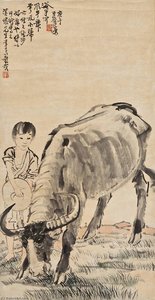
徐悲鸿 肖像

39 幅最著名的 徐悲鸿 作品,画廊精选

更新于 November 2026 · 基于我们的流行度评分排名(每件作品的搜索量、访问量及订单量) · 39 件 徐悲鸿 作品收录于我们的目录中

简而言之

在 徐悲鸿 留下的所有原作中,最著名的当属收藏于 北京 中国美术学院美术馆 的《The Foolish Old Man Moves a Mountain (1940)》。 紧随其后的是 Portrait of Sun Duoci (1936) 和 傳恆與五百眾徒 (1930)。 我们的目录收录了 徐悲鸿 的 39 件作品;画廊完整保留了 39 件享誉世界的杰作,并为每一件作品详细标注了创作日期、馆藏机构及其背后的故事。

1895 – 1953, 宜兴市 Contemporary realism 藏品最多:中国美术学院美术馆

徐悲鸿 的十大名画:画廊精选

1
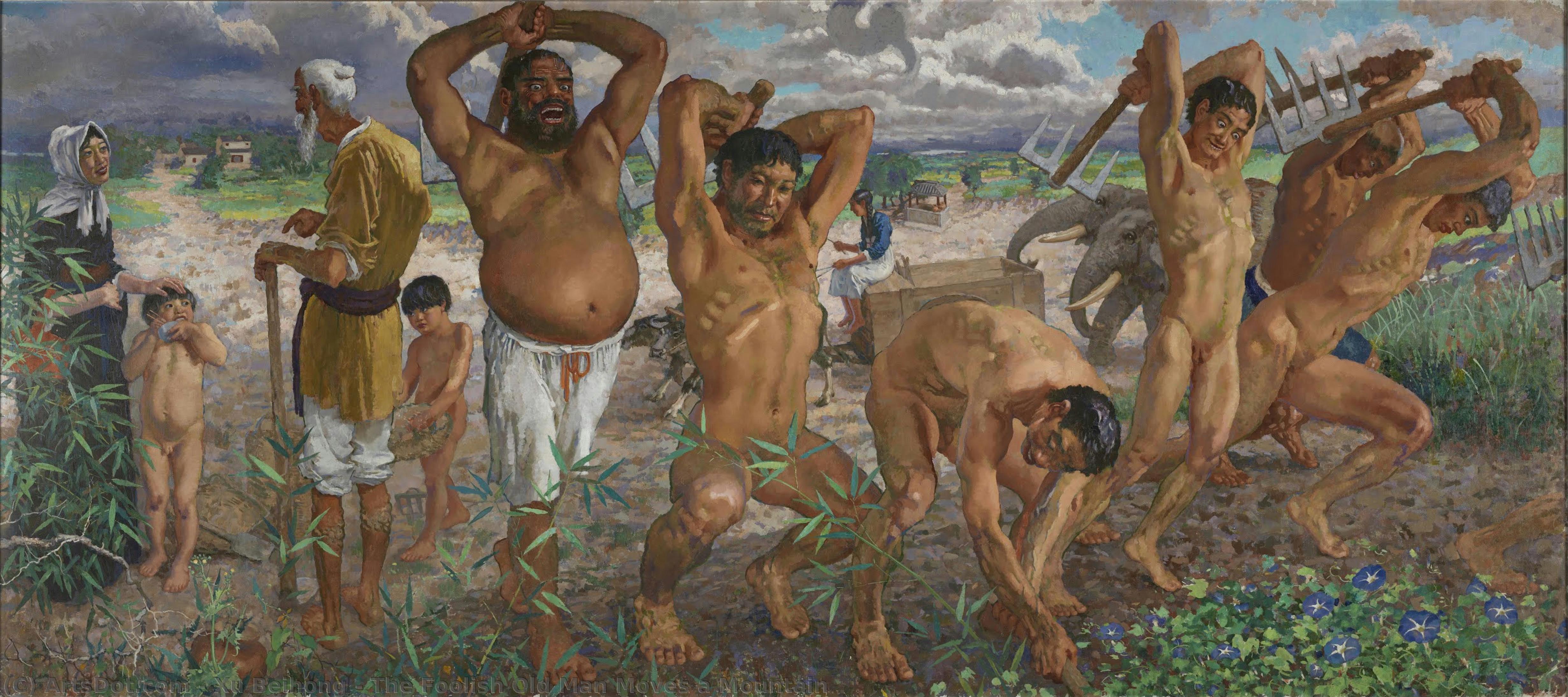
The Foolish Old Man Moves a Mountain (1940) 由 徐悲鸿

The Foolish Old Man Moves a Mountain

1940 · Oil On Canvas · 中国美术学院美术馆, 北京

The Foolish Old Man Moves a Mountain by Xu Beihong is a monumental oil painting created about 1940. The work draws its narrative from a fable found in the Book of Lieh-tzu, a text dating back to the fourth century BC. This story was later retold in the first century BC and gained further prominence when it was championed in 1945. The painting captures a moment of intense physical labor…

2
Portrait of Sun Duoci (1936) 由 徐悲鸿

Portrait of Sun Duoci

1936 · Oil On Canvas · 中国美术学院美术馆, 北京

In the quiet intimacy of a 1936 studio, Xu Beihong captured more than just a likeness; he immortalized a profound connection. The Portrait of Sun Duoci stands as a breathtaking testament to a moment when love and artistic revolution converged. As the viewer encounters this monumental canvas, they are immediately drawn into the serene gaze of Sun Duoci, a woman whose presence radiates a delicate balance of vulnerability and quiet…

3
傳恆與五百眾徒 (1930) 由 徐悲鸿

傳恆與五百眾徒

1930 · 布面油画 · 中国美术学院美术馆, 北京

Xu Beihong 的《Tian Heng 和 五百 位 同伴》(1930)是一幅令人难忘的歷史畫作,它不僅記錄了漢朝歷史上的傳奇故事,更展現了藝術家對傳統與現代之間精妙的融合。這幅作品以其豐富的色彩、細膩的筆觸和深刻的情感表達,成為了中國美術史上的經典。

4
Standing Horse (1947) 由 徐悲鸿

Standing Horse

A single horse occupies the center of this ink and wash painting on paper. The animal is depicted standing on all four legs, its head lifted toward the upper edge of the frame. Its mane and tail appear to move in a steady wind, creating a sense of physical motion within a static pose. The horse is rendered in black and white, utilizing varying tones of ink to define its…

5
Sketch of a Man from the Front and the Side (1924) 由 徐悲鸿

Sketch of a Man from the Front and the Side

1924 · Oil · 中国美术学院美术馆, 北京

Xu Beihong’s Sketch of a Man from the Front and the Side, created about 1924, functions as a rigorous study of human anatomy and form. The composition centers on two nude male figures positioned against a dark, atmospheric background. One figure faces the viewer directly in a frontal view, while the second figure is presented in profile, facing right. This dual orientation allows for a comprehensive examination of the physical…

6
HORSE UNDER A WILLOW TREE 由 徐悲鸿

HORSE UNDER A WILLOW TREE

Ink

HORSE UNDER A WILLOW TREE is a painting by Xu Beihong. The work features a horse positioned beneath a tree, a central motif in the artist's oeuvre. Xu Beihong was born in 1895 in Yixing, People's Republic of China, and continued to influence the direction of Chinese art until his death in 1953.

7
Portrait of Xu (1943) 由 徐悲鸿

Portrait of Xu

1943 · Oil On Canvas · 中国美术学院美术馆, 北京

Xu Beihong's “Portrait of Xu,” painted in 1943, isn’t merely a likeness; it’s a carefully constructed tableau brimming with quiet contemplation and the subtle power of suggestion. This oil painting, rendered on a canvas measuring 62 x 48 cm, offers a glimpse into the mind of a young woman – likely Xu Beihong's wife, Jingwen – captured in a moment of serene introspection. The work immediately draws the eye with…

9
Stroking the Cat (1924) 由 徐悲鸿

Stroking the Cat

1924 · Oil On Canvas · 中国美术学院美术馆, 北京

In this intimate scene, Stroking the Cat brings together the artist Xu Beihong and his partner, Jiang Biwei, within a quiet moment of domestic life. The painting captures the pair alongside their cat, a creature they both hold dear. There is a palpable sense of closeness between the two figures as they interact with the animal, creating a scene of shared affection. The composition focuses on this private connection, pulling…

10
Portrait of a Young Woman (1940) 由 徐悲鸿

Portrait of a Young Woman

1940 · Oil · 中国美术学院美术馆, 北京

A young woman sits in a room, her gaze drifting toward a distance we cannot see. She wears a floral shirt, the petals of which rest against her skin like small, silent memories. The light catches the dark weight of her hair, framing a face caught in a moment of deep thought. Behind her, the presence of another person lingers in the shadows, a soft silhouette that adds to the…

徐悲鸿 系列持续更新,第 11 至 39 项

徐悲鸿 的传世名作,按时期分类

令 徐悲鸿 驻足的创作主题

这些原作中反复出现的四个主题,各有一个最杰出的范例。

收藏有 徐悲鸿 原作的博物馆

收藏了本页中大部分画作的 3 家博物馆。

博物馆 城市 徐悲鸿 的作品 此列表中的画作
中国美术学院美术馆, 北京中国美术学院美术馆 北京 24 The Foolish Old Man Moves a Mountain, Portrait of Sun Duoci, 傳恆與五百眾徒
中国现代与当代艺术文献研究中心, 北京中国现代与当代艺术文献研究中心 北京 2 Jiu Fang Gao, Galloping horse
龙美术馆(西岸), 上海龙美术馆(西岸) 上海 1 Two Horses

徐悲鸿 的年代演变:定义每个时代的原创之作

各年代作品数量

选择一个年代,探索定义该时代的原创杰作。

藏家关于 徐悲鸿 作品的常见问题

徐悲鸿 最著名的作品是哪一件?揭晓答案

The Foolish Old Man Moves a Mountain (1940),中国美术学院美术馆, 北京。紧随其后的是 Portrait of Sun Duoci (1936) 和 傳恆與五百眾徒 (1930)。

创作 The Foolish Old Man Moves a Mountain 时,徐悲鸿 是多少岁?揭晓答案

45岁:The Foolish Old Man Moves a Mountain创作于1940年,徐悲鸿出生于1895年。

徐悲鸿 最著名的十幅画作是什么?揭晓答案

The Foolish Old Man Moves a Mountain, Portrait of Sun Duoci, 傳恆與五百眾徒, Standing Horse, Sketch of a Man from the Front and the Side, HORSE UNDER A WILLOW TREE, Portrait of Xu, Mother and Daughter, Stroking the Cat 及 Portrait of a Young Woman。上方排名显示了每件作品的创作年份及馆藏机构。

徐悲鸿 留下了多少幅画作?揭晓答案

我们的目录收录了 39 件 徐悲鸿 的作品,创作年代从 1924 年至 1950 年。

徐悲鸿 的杰作收藏在哪些博物馆中?揭晓答案

多见于 中国美术学院美术馆 (北京), 中国现代与当代艺术文献研究中心 (北京) 及 龙美术馆(西岸) (上海)。上方的博物馆列表列出了所有相关机构。

徐悲鸿 在哪些年份创作了最著名的作品?揭晓答案

在 1930s 期间:本页 39 件作品中有 9 件创作于该时期,其中包含 Portrait of Sun Duoci 件作品。

徐悲鸿 的首件与末件名作原件分别是哪几件?揭晓答案

在本页面中,最早的作品创作于 Sketch of a Man from the Front and the Side (1924),最晚的创作于 Cavalry Hero Tai Xide (1950)。

徐悲鸿 最常创作的主题是什么?揭晓答案

Xu beihong (9), Landscape (8) 及 Chinese art (8),共计 39 件作品。

徐悲鸿 最常用的技法是什么?揭晓答案

Oil On Canvas,共计 9 件(本页共有 39 件作品)。

徐悲鸿 属于哪种艺术流派?揭晓答案

根据本页面的原作,Contemporary realism

哪些 徐悲鸿 的作品在 中国美术学院美术馆 展出?揭晓答案

The Foolish Old Man Moves a Mountain, Portrait of Sun Duoci 及 傳恆與五百眾徒:中国美术学院美术馆, 北京收藏了本页中 24 件作品。

徐悲鸿:生平与作品

跨越世界的先驱:徐悲鸿的生命与艺术

1895年,徐悲鸿出生于江苏宜兴那座宁静的小镇。作为20世纪中国艺术史上的丰碑式人物,他的生命本身就是一部引人入胜的艺术演进史。他毕生致力于为中国画开辟一条全新的道路——一种将故土深厚的传统底蕴与西方艺术的创新精神和谐融合的新径。早年的徐悲鸿在父亲徐达章的教导下,沉浸于古典学问与传统笔墨之中;由于其父也是一位生活清贫的艺术家,少年的悲鸿在展现艺术天赋的同时,也经历了经济上的艰辛。这段成长岁月不仅赋予了他精湛的技术,更在他心中植入了对中国文化的深切热爱以及一种足以定义其职业生涯的坚韧精神。随家族四处奔波、通过绘制肖像与山水画来维持生计的经历,让他直面了中国农村的真实面貌,并激发了他提升艺术与艺术家地位的早期抱负。当他取名“悲鸿”——意为“忧伤的野雁”时,这一关键时刻或许正映射出他少年时代的焦虑与远大志向。

欧洲觉醒:锻造全新的艺术视野

出于对知识的渴求以及推动中国艺术现代化的渴望,徐悲鸿于1917年踏上了改变命运的欧洲之旅。在东京初步学习后,他很快凭借奖学金前往巴黎享誉盛名的国立高等美术学院深造。这段时期对于塑造他的艺术哲学与技法至关重要。置身于欧洲艺术的核心地带,他潜心钻研油画与素描,掌握了西方透视、构图及写实主义的精髓。尽管接纳了这些新技术,徐悲鸿对当时盛行的某些现代主义潮流仍保持着批判性的思考,转而青睐于他所遇到的古典传统。在留法期间,他采用了法文名“Ju Péon”,这见证了他与欧洲文化的深度融合。然而,他追求的不仅仅是技艺的磨炼,更在于理解西方艺术的底层逻辑并将其转化为振兴中国画的动力——这一愿景在他后来的著作与教学中得到了清晰的阐述。这段时期为他独特的艺术风格奠定了基石,形成了东方美学与西方技法强力交织的独特面貌。

经典意象与艺术风格:东西方的交响

1927年回到中国后,徐悲鸿开启了创作丰产的时期,其作品捕捉了一个正经历深刻变革的国家精神。他因对马与鸟类的动态描绘而迅速闻名——这些题材超越了单纯的物象表现,成为了力量、自由与民族自豪感的强大象征。尤其是他的画马,以肌肉感、生命力与表现力著显赫一时,常被描绘为在广袤天地间奔腾,散发着一种不羁的灵魂。《奔马》或许是他最负盛名的杰作,完美地体现了这种精神——它是中华民族生命力与韧性的有力见证。除了这些标志性题材,徐悲鸿在肖像画与历史画领域亦有卓越成就,展现了他对油画与传统水墨技法的双重驾驭能力。他的风格以大胆的笔触、精准的轮廓以及对光影的精妙掌控为特征。他将西方的透视与构图无缝融入中国画笔的流动感中,创造出一种既具创新性又深植于传统的视觉语言。受中国传统寓言启发而创作的愚公移山,便是他能够赋予古典主题以现代能量与社会评论能力的典范。

传承与影响:塑造现代中国美术教育

徐悲鸿的影响力远超其艺术创作本身;他更是一位开创性的美术教育家,深刻地塑造了中国现代美术教育的发展进程。归国后,他在包括国立中央大学和北京大学在内的多所顶尖学府任教,并孜孜不倦地倡导课程改革。他极力主张将西方的素描与油画技法引入传统的中国艺术教学体系,深信这种融合是振兴中国艺术表现力的关键。1949年中华人民共和国成立后,他出任中央美术学院院长及中国美术家协会主席,进一步巩固了他在国家艺术版图中的影响力。他培养了一代又一代的艺术家,这些人后来成为了中国美术界的领军人物,承袭了他那既具现代感又根植于文化的审美愿景。徐悲鸿对意境的强调、对生活经验的重视以及东西方传统的融合,在中国美术史上留下了不可磨灭的印记,确立了他作为最伟大影响力人物之一的地位。他的作品至今仍在激励着全球艺术家并吸引着世界观众,时刻提醒着人们:艺术拥有跨越文化与边界、连接心灵的永恒力量。