威廉·威奇里 肖像

威廉·威奇里 作品:画廊视角下的 25 幅名作

更新于 November 2026 · 基于我们的流行度评分排名(每件作品的搜索量、访问量及订单量) · 25 件 威廉·威奇里 作品收录于我们的目录中

简而言之

在画廊看来,威廉·威奇里 最著名的作品是 Cheddar Gorge, Somerset (1860),其原作现收藏于 巴斯 的 Victoria Art Gallery。 Burdocks, Brambles and Furze (1868) 与 Landscape with Figures by a Waterfall (1858) 共同构成了那组令人过目不忘的艺术三部曲。 在我们的目录中,威廉·威奇里 共有 25 件作品,画廊为您精选了以下 25 件最著名的原作,并详细列出了每件作品的创作年份、馆藏机构及其独特之处。

1822 – 1893, 上珀科特 Realism 藏品最多:皇家阿尔伯特纪念博物馆

画廊中 威廉·威奇里 的十大名画

1
Cheddar Gorge, Somerset (1860) 由 威廉·威奇里

Cheddar Gorge, Somerset

1860 · Oil On Canvas · Victoria Art Gallery, 巴斯

The composition centers on the vertical limestone ranges of Cheddar Gorge, which rise on either side of the scene. These crags form a narrow passage where light and shadow define the rugged textures of the rock faces. In the middle ground, a river flows through the valley, its surface reflecting the sky. Small cottages are situated along the banks, appearing nestled against the base of the cliffs. Groups of people…

2
Burdocks, Brambles and Furze (1868) 由 威廉·威奇里

Burdocks, Brambles and Furze

1868 · Oil · 皇家阿尔伯特纪念博物馆, 埃克塞特

The composition focuses on a dense, tangled arrangement of botanical life. Burdock plants, wild brambles, and the thick, prickly texture of furze shrub occupy the frame. This oval-canvas work captures the unmanicured reality of the British countryside, moving away from idealized garden scenes toward the rugged, overlapping layers of the hedgerow. The arrangement emphasizes the structural complexity of these plants, where thorns and broad leaves intersect in a natural, chaotic…

3
Landscape with Figures by a Waterfall (1858) 由 威廉·威奇里

Landscape with Figures by a Waterfall

1858 · Oil On Canvas

There is a certain stillness that settles over this 1858 oil on canvas, a sense of a moment caught in the soft, diffused light of an overcast day. In this landscape, we find ourselves looking upon a picturesque valley where a meandering river carves its way through rolling hills. The composition draws the eye inward, moving from the immediate presence of the foreground toward the pale, receding shapes of the…

4
On the Lyd, Devon (1873) 由 威廉·威奇里

On the Lyd, Devon

1873 · Oil On Canvas · 皇家阿尔伯特纪念博物馆, 埃克塞特

A vertical stream cuts through the heart of a wooded Devon landscape. The water moves with a soft, diffused light, suggesting the cool air of an overcast morning. Thick tree trunks rise like pillars, their bark rendered with a heavy, tactile layering of oil paint. A small, solitary figure rests near the bank, a tiny presence amidst the overwhelming weight of the foliage. The scene feels still, caught in a…

5
Edward Adams (1823–1892), of Crediton (1856) 由 威廉·威奇里

Edward Adams (1823–1892), of Crediton

1856 · Oil On Canvas · 皇家阿尔伯特纪念博物馆, 埃克塞特

A man sits in a chair, positioned centrally against a solid brown background. He is dressed in a dark suit and a tie, his posture upright with hands resting upon his hips. His facial features include a mustache and sideburns, and his gaze is directed toward the viewer. The lighting defines the contours of his face and the texture of his clothing, creating a sense of presence within the frame.…

6
Fingle Bridge, Devon (1863) 由 威廉·威奇里

Fingle Bridge, Devon

1863 · Oil On Canvas · 皇家阿尔伯特纪念博物馆, 埃克塞特

The river flows with a steady, unhurried purpose, cutting through the soft green of the Devon countryside. A stone bridge spans the water, a heavy, permanent anchor in a landscape of shifting light and grazing life. Near the banks, cows move through the grass, their forms settled into the earth. A solitary figure watches, a quiet presence amidst the animals and the slow movement of the stream. The scene holds…

7
Swiss Lake Scene (1869) 由 威廉·威奇里

Swiss Lake Scene

1869 · Oil On Canvas · 皇家阿尔伯特纪念博物馆, 埃克塞特

The composition centers on the quietude of a mountain lake, where the stillness of the water meets the rugged presence of the surrounding peaks. Figures are positioned near the shoreline, grounding the vastness of the landscape in a moment of everyday existence. A man sits on the grass by the water's edge while others stand nearby, their presence providing a sense of scale against the towering terrain. Small boats are…

8
Scene near Holy Street Mill, Chagford, Devon (1869) 由 威廉·威奇里

Scene near Holy Street Mill, Chagford, Devon

1869 · Oil On Canvas · 皇家阿尔伯特纪念博物馆, 埃克塞特

In Scene near Holy Street Mill, Chagford, Devon, William Widgery invites the eye into a lush, detailed landscape where a serene stream winds through a dense forest. The composition relies on a striking interplay of directions. Towering trees establish a strong vertical axis, their trunks reaching upward to dominate the scene and create a sense of immense scale. This verticality is met by the horizontal movement of the water, as…

9
Bowerman’s Nose, Dartmoor, Devon (1870) 由 威廉·威奇里

Bowerman’s Nose, Dartmoor, Devon

1870 · Oil · 皇家阿尔伯特纪念博物馆, 埃克塞特

is a landscape oil painting by William Widgery, executed in 1870. The work focuses on a specific rock formation situated within the Dartmoor region of Devon. Widgery, a self-taught artist who transitioned from masonry to painting, developed a style rooted in direct observation of the British countryside.

10
View in Gidley Park, Devon (1868) 由 威廉·威奇里

View in Gidley Park, Devon

1868 · Oil · 皇家阿尔伯特纪念博物馆, 埃克塞特

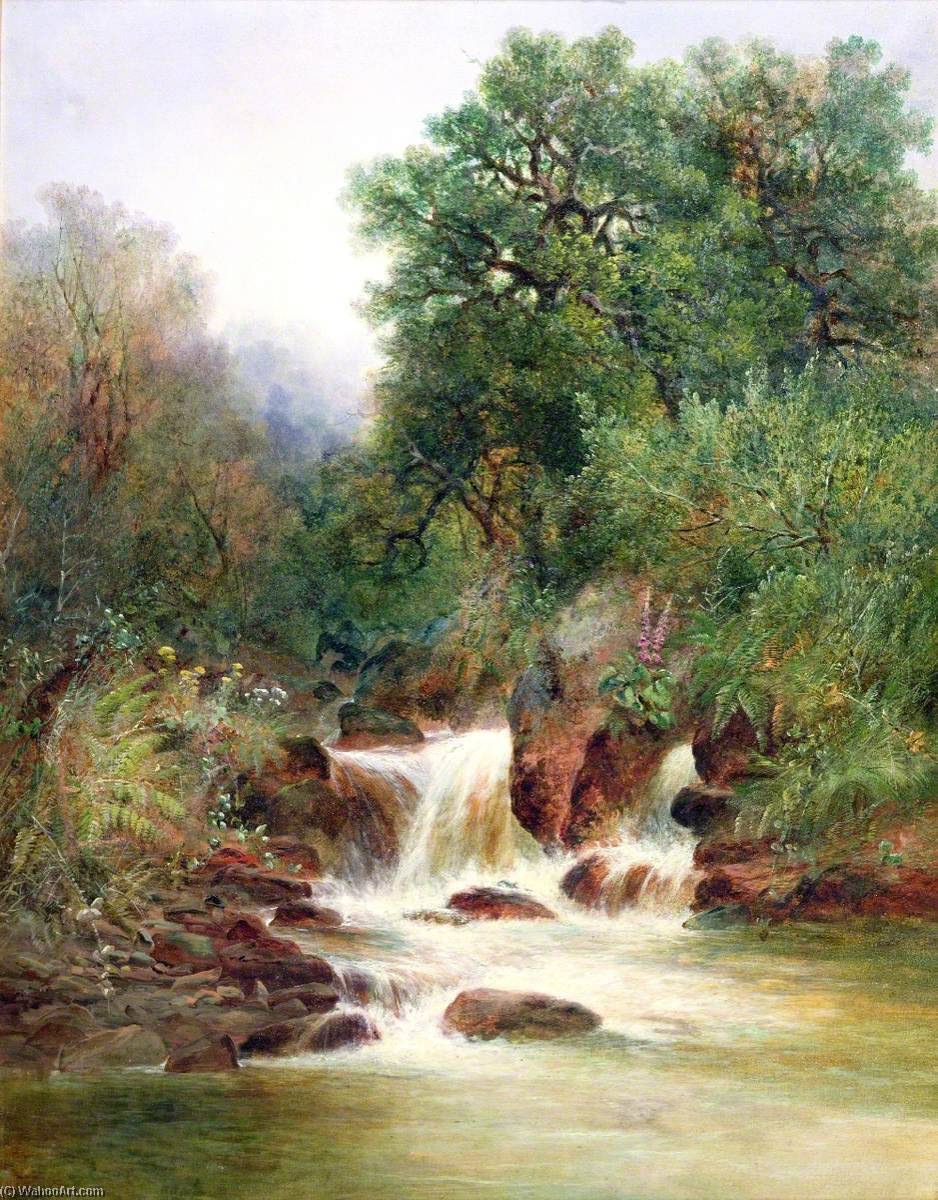
The landscape depicts a river flowing through a wooded area in Devon. On both sides of the water, trees grow densely, their branches extending toward the center of the scene. The river follows a path down a hillside, appearing to rush through the terrain. Several rocks are positioned throughout the water and along the banks, breaking the surface of the stream. In the middle of the composition, a small waterfall…

威廉·威奇里 的画作,排名第 11 至 25

令 威廉·威奇里 驻足的创作主题

这些原作中反复出现的四个主题,各有一个最杰出的范例。

收藏有 威廉·威奇里 原作的博物馆

收藏了本页中大部分画作的 4 家博物馆。

博物馆 城市 威廉·威奇里 的作品 此列表中的画作
皇家阿尔伯特纪念博物馆, 埃克塞特皇家阿尔伯特纪念博物馆 埃克塞特 12 Burdocks, Brambles and Furze, On the Lyd, Devon, Edward Adams (1823–1892), of Crediton
Torre Abbey Historic House And Gardens, TorquayTorre Abbey Historic House And Gardens Torquay 7 Stepping Stones, Ponies on Dartmoor, Cattle on Dartmoor
Victoria Art Gallery, 巴斯Victoria Art Gallery 巴斯 2 Cheddar Gorge, Somerset, Leigh Woods, Bristol
University of Exeter, ExeterUniversity of Exeter Exeter 1 River Scene

威廉·威奇里,每十年一件代表作

各年代作品数量

选择一个年代,探索定义该时代的原创杰作。

威廉·威奇里 的画作:画廊解答

哪幅 威廉·威奇里 的画作最为闻名?揭晓答案

Cheddar Gorge, Somerset (1860),Victoria Art Gallery, 巴斯。紧随其后的是 Burdocks, Brambles and Furze (1868) 和 Landscape with Figures by a Waterfall (1858)。

威廉·威奇里 完成 Cheddar Gorge, Somerset 时多大年纪?揭晓答案

38岁:Cheddar Gorge, Somerset创作于1860年,威廉·威奇里出生于1822年。

威廉·威奇里 最受欢迎的 10 幅画作是哪些?揭晓答案

Cheddar Gorge, Somerset, Burdocks, Brambles and Furze, Landscape with Figures by a Waterfall, On the Lyd, Devon, Edward Adams (1823–1892), of Crediton, Fingle Bridge, Devon, Swiss Lake Scene, Scene near Holy Street Mill, Chagford, Devon, Bowerman’s Nose, Dartmoor, Devon 及 View in Gidley Park, Devon。上方排名显示了每件作品的创作年份及馆藏机构。

威廉·威奇里 创作了多少件作品?揭晓答案

我们的目录收录了 25 件 威廉·威奇里 的作品,创作年代从 1856 年至 1873 年。

威廉·威奇里 最著名的原作收藏于何处?揭晓答案

多见于 皇家阿尔伯特纪念博物馆 (埃克塞特), Torre Abbey Historic House And Gardens (Torquay) 及 Victoria Art Gallery (巴斯)。上方的博物馆列表列出了所有相关机构。

威廉·威奇里 是在什么时候创作出最著名的画作的?揭晓答案

在 1860s 期间:本页 25 件作品中有 6 件创作于该时期,其中包含 Cheddar Gorge, Somerset 件作品。

威廉·威奇里 最早和最晚的代表作有哪些?揭晓答案

在本页面中,最早的作品创作于 Edward Adams (1823–1892), of Crediton (1856),最晚的创作于 On the Lyd, Devon (1873)。

威廉·威奇里 最常创作的主题是什么?揭晓答案

Landscape (6), River (4) 及 Mountains (3),共计 25 件作品。

威廉·威奇里 最常用的创作媒介是什么?揭晓答案

Oil On Canvas,共计 7 件(本页共有 25 件作品)。

威廉·威奇里 属于哪种艺术流派?揭晓答案

根据本页面的原作,Realism 及 Romanticism

皇家阿尔伯特纪念博物馆收藏了哪些威廉·威奇里的原作?揭晓答案

Burdocks, Brambles and Furze, On the Lyd, Devon 及 Edward Adams (1823–1892), of Crediton:皇家阿尔伯特纪念博物馆, 埃克塞特收藏了本页中 12 件作品。

威廉·威奇里:艺术家

A Life Rooted in the British Landscape: William Widgery (1822-1893)

William Widgery, born in 1822 in Uppercot, Northmolton, Devonshire, embodies a compelling narrative of self-taught artistic dedication blossoming amidst humble beginnings. His story isn’t one of privileged academies and early patronage, but rather a testament to the enduring power of observation and an innate connection to the natural world. Initially working as a mason, Widgery pursued painting in his spare time, driven by an internal compulsion that would ultimately redefine his life's path. The encouragement of friends proved pivotal, yet it was the guidance of Mr. Thomas Hex of St. Thomas who truly catalyzed his transformation, urging him to abandon his trade and wholeheartedly embrace his artistic calling. This leap of faith—a commitment to a future solely dependent on his creative abilities—speaks volumes about Widgery’s unwavering belief in his own potential.

The Self-Made Aesthetic: Developing a Unique Vision

Remarkably, Widgery received no formal art instruction. In an era where artistic training often dictated style and subject matter, he forged his own path, relying solely on Nature as his master. Exeter, at the time, lacked a significant art gallery to provide guidance; instead, Widgery ventured directly into the fields, meticulously studying light, color, and form. This direct engagement with the landscape fostered a distinctive aesthetic—one characterized by bold brushwork, atmospheric effects, and an acute sensitivity to the nuances of rural life. Early works often involved skillful reproductions of popular artists like Landseer, providing him with a foundation in technique while simultaneously allowing him to develop his own unique voice. Dr. W.R. Scott, a keen art critic, consistently praised Widgery’s exceptional eye for color—a quality that would become a hallmark of his mature style. He didn't adhere to any particular school or movement; rather, he created a style uniquely his own, inspiring a generation of painters in Exeter who sought to emulate his approach.

Dartmoor and Beyond: Subjects and Style

Widgery’s artistic focus centered on the beauty of the British countryside, particularly the dramatic landscapes of Dartmoor. He captured the wildness and untamed spirit of the moor with a remarkable ability to convey both its grandeur and its intimate details. While Dartmoor remained his primary muse, he also explored coastal scenes in Devon and Cornwall, skillfully depicting rugged iron-bound coasts battered by crashing waves. His paintings are not merely representations of places; they are evocative experiences—imbued with atmosphere, light, and a palpable sense of place. He was equally adept at portraying animals, integrating them seamlessly into his landscapes to create harmonious compositions. His work is characterized by its directness and lack of excessive finish, prioritizing the emotional impact of the scene over meticulous detail. Over three thousand paintings were produced during his lifetime, each one eagerly sought after even before it left his easel—a testament to his growing reputation and the enduring appeal of his vision.

Legacy and Influence: A Family Tradition

William Widgery’s influence extended beyond his own prolific output; he also profoundly impacted his son, Frederick John Widgery (1861-1942). While William was largely self-taught, Frederick received formal training at Exeter Cathedral School, the Royal Albert Memorial Museum, and academies in London and Antwerp. This difference in education led to a more precise draughtsmanship in Frederick’s work, particularly suited for smaller-scale paintings and illustrations. Both father and son shared a deep connection to Dartmoor, but their individual styles reflect distinct approaches to capturing its essence. The family's artistic legacy is further cemented by the numerous works they left behind, now cherished collections within institutions like the Royal Albert Memorial Museum (RAMM) in Exeter. William Widgery’s story serves as an inspiring example of how passion, dedication, and a profound connection to nature can overcome adversity and create a lasting artistic impact. His paintings continue to resonate with audiences today, offering a glimpse into the beauty of 19th-century Britain and the enduring power of landscape art.