


1

更新于 November 2026 · 基于我们的流行度评分排名(每件作品的搜索量、访问量及订单量) · 11 件 Will Maclean 作品收录于我们的目录中
简而言之
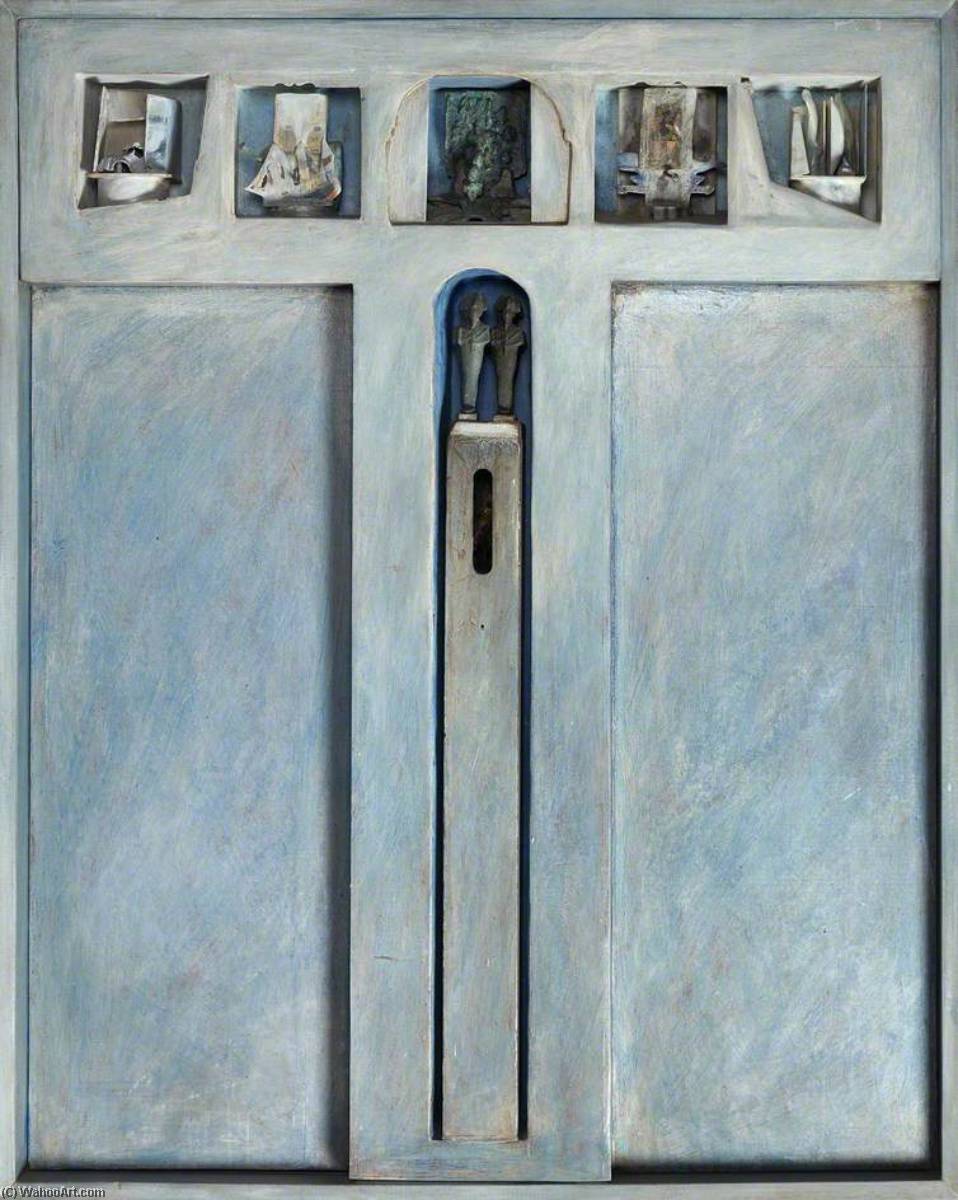
在 Will Maclean 留下的所有原作中,最著名的当属收藏于 爱丁堡 皇家苏格兰学院艺术与建筑展 的《Boston 'T' (1989)》。 紧随其后的是 Postcard Series Number 2, Marché de Puce (1991) 和 Skye Collage Study (1997)。 我们的目录收录了 Will Maclean 的 11 件作品;画廊完整保留了 11 件享誉世界的杰作,并为每一件作品详细标注了创作日期、馆藏机构及其背后的故事。




收藏了本页中大部分画作的 3 家博物馆。
| 博物馆 | 城市 | Will Maclean 的作品 | 此列表中的画作 |
|---|---|---|---|
 苏格兰国家现代美术馆 |
爱丁堡 | 2 | BRD 332, Oil Rig |
 皇家苏格兰学院艺术与建筑展 |
爱丁堡 | 1 | Boston 'T' |
 The Fleming Collection |
London | 1 | Red Ley Marker |
选择一个年代,探索定义该时代的原创杰作。
Boston 'T' (1989),皇家苏格兰学院艺术与建筑展, 爱丁堡。紧随其后的是 Postcard Series Number 2, Marché de Puce (1991) 和 Skye Collage Study (1997)。
48岁:Boston 'T'创作于1989年,Will Maclean出生于1941年。
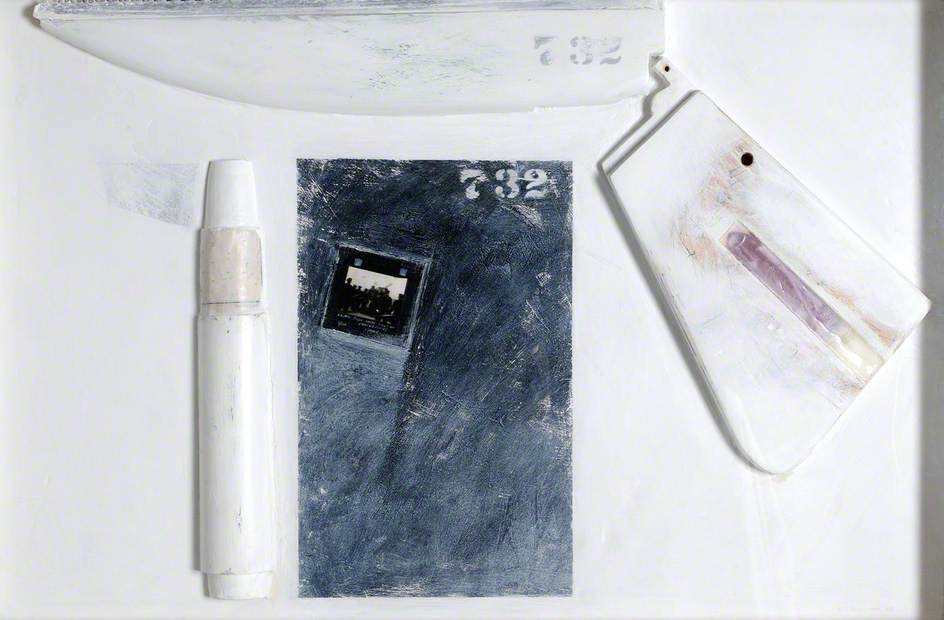
Boston 'T', Postcard Series Number 2, Marché de Puce, Skye Collage Study, BRD 332, In the Memory of Gannets for Angus Martin, Navigator's Museum Instructions for Coast Watchers (2), Museum of Zoology – Skull Notes, Portrait of a Polymath – D'Arcy Thompson's Daybook, Museum Collage for D'Arcy Thompson 及 Red Ley Marker。上方排名显示了每件作品的创作年份及馆藏机构。
我们的目录收录了 11 件 Will Maclean 的作品,创作年代从 1989 年至 2009 年。
多见于 苏格兰国家现代美术馆 (爱丁堡), 皇家苏格兰学院艺术与建筑展 (爱丁堡) 及 The Fleming Collection (London)。上方的博物馆列表列出了所有相关机构。
在 2000s 期间:本页 11 件作品中有 5 件创作于该时期,其中包含 In the Memory of Gannets for Angus Martin 件作品。
在本页面中,最早的作品创作于 Boston 'T' (1989),最晚的创作于 Museum Collage for D'Arcy Thompson (2009)。
BRD 332 及 Oil Rig:苏格兰国家现代美术馆, 爱丁堡收藏了本页中 2 件作品。
Will Maclean, born in Inverness in 1941 and still actively creating today, is a singular figure in contemporary British art. More than simply an artist, he’s a chronicler of the Scottish Highlands—a region deeply ingrained within his DNA and inextricably woven into the fabric of his work. His distinctive style, characterized by intricate ring-net drawings and monumental landscape sculptures, isn't merely representation; it’s a profound meditation on tradition, memory, and the enduring relationship between humanity and the natural world. Maclean’s journey began far from the rugged beauty he would later immortalize, shaped by formative experiences at sea that fundamentally altered his artistic trajectory.
Maclean's early life was steeped in the rhythms of Gaelic culture and maritime tradition. Born into a family with strong Highland roots, he spent his youth absorbing the lore and customs of the region. Crucially, he began working as a ring-net fisherman at the age of 18, an experience that proved transformative. This period—a demanding, solitary existence aboard small boats hauling herring nets—became the bedrock for his most celebrated work: the “Ring-Net Project.” Over four decades, Maclean meticulously documented this life through over 400 drawings, capturing not just the physical act of fishing but also the profound connection between man and sea. These drawings aren’t static images; they pulse with movement, texture, and a palpable sense of the fisherman's world—the spray of the waves, the creak of the nets, the weathered faces of his fellow workers. The Ring-Net Project wasn’t simply an artistic endeavor; it was a deeply personal act of remembrance, preserving a vanishing way of life.
Following the success of the Ring-Net drawings, Maclean turned his attention to sculpture. His monumental works—often constructed from driftwood, stone, and other locally sourced materials—are rooted in the same spirit of observation and reverence that informed his drawings. These sculptures aren’t abstract forms; they are evocative representations of Highland landscapes—rolling hills, windswept moors, and dramatic coastlines. Maclean's process is deliberate and painstaking, mirroring the slow, patient rhythms of nature itself. He often incorporates elements of traditional Highland craft – weaving, knotting, and carving – into his sculptures, creating a dialogue between ancient techniques and contemporary forms.
A particularly significant example of this approach is “Suileachan,” a large-scale sculpture commissioned for the Isle of Lewis. This work, created in collaboration with his wife, Marian Leven, embodies Maclean’s core themes: memory, connection to place, and the enduring power of tradition. The project involved not only the creation of the sculpture itself but also the training of local craftspeople, ensuring that it would become an integral part of the island's cultural landscape. His work is often described as a “narrative” – a visual storytelling rooted in his personal experiences and the history of the Highlands.
Maclean’s artistic achievements have been widely recognized with numerous accolades, solidifying his position as one of Scotland's most respected contemporary artists. He was elected to the Royal Scottish Academy in 1991, a prestigious honor recognizing his contributions to the arts. He received an MBE (Member of the Most Excellent Order of the British Empire) in 2005 for his services to education and the arts, further cementing his standing within the cultural community. His work has been exhibited extensively throughout Scotland and internationally, including solo shows at prestigious galleries such as the Scottish National Gallery of Modern Art and Dundee Contemporary Arts.
Beyond his individual achievements, Maclean’s influence extends to a broader understanding of Highland culture and identity. He has played a vital role in preserving traditional skills and practices, while simultaneously pushing the boundaries of contemporary art. His work serves as a powerful reminder of the importance of remembering our past—not just through historical records but also through the embodied experiences and artistic expressions of those who have lived within it.
For more information on Will Maclean's work, we recommend visiting these resources: