유영국 肖像

30 幅最著名的 유영국 作品,每一件都独一无二

更新于 November 2026 · 基于我们的流行度评分排名(每件作品的搜索量、访问量及订单量) · 30 件 유영국 作品收录于我们的目录中

简而言之

Mountain (1968) 是유영국最受瞩目的画作。 随后,目光会移向 Work 和 Mountain (1960)。 在 유영국 的 30 件作品中,这 30 件最为闻名;每一件都是独一无二的原作,并附有创作年份、馆藏机构及其经久不衰的原因。

1916 – 2002, 蔚珍 Abstract expressionism 藏品最多:斯泰恩斯博物馆艺术馆

画廊视角下的 유영국 十大名作

1
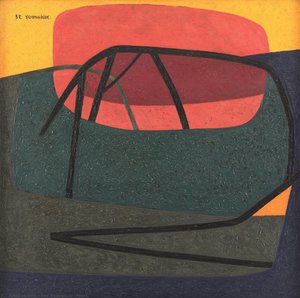
Mountain (1968) 由 유영국

Mountain

1968 · Oil On Canvas

Mountain is an artwork created by Yoo Youngkuk. This piece emerged in 1968, a time when the artist was refining a visual language of pure form. Yoo Youngkuk was born in 1916 in Uljin, South Korea, and remained a dedicated presence in the art world until his death in 2002. His practice sought to distill the essence of the landscape into something elemental.

2
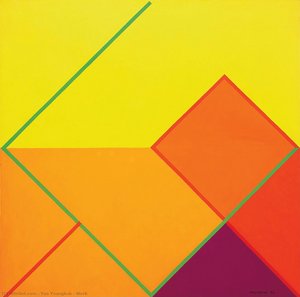
Work 由 유영국

Work

Oil On Canvas

In the quietude of this canvas, we find a profound dialogue between the tangible earth and the purity of geometric thought. This particular piece presents a sweeping landscape where the ruggedness of a mountain range is distilled into a rhythmic arrangement of light and shadow. The eye is immediately drawn to the striking, pyramidal silhouette of the peaks, a shape that feels both ancient and avant-garde. Through a masterful command…

3
Mountain (1960) 由 유영국

Mountain

1960 · Oil On Canvas

Mountain is an artwork created by Yoo Youngkuk. This piece is situated within the movements of Abstract Art and Korean Abstraction (Modern). It represents a significant moment in the development of non-representational language in South Korea.

5
CIRCLE_A (1968) 由 유영국

CIRCLE_A

1968 · Oil On Canvas

In this 1968 oil on canvas, the canvas is divided by a warm, red field that provides a sense of depth and heat. Two distinct circles occupy the space, positioned in a way that creates a subtle tension between the upper left and the center-right. The first circle is a pale orange, while the second is a deeper, more saturated hue. These forms do not represent physical objects but instead…

6
Work (1968) 由 유영국

Work

1968 · Painting

The painting Work is an abstract composition featuring a prominent red triangle. This central triangular structure has a pointy top and a rounded bottom, with its edges transitioning into warm orange hues. At the heart of the triangle lies a luminous yellow circle, which serves as a focal point. The artwork is executed on canvas and utilizes a palette of red, yellow, and orange.

7
Work (1967) 由 유영국

Work

1967 · Oil On Canvas

The painting titled Work was created by the artist Yoo Youngkuk in 1967. It is a product of a vision shaped by the coastal landscape of Ulchin, South Korea, where the artist was born in 1916. This specific piece emerged from a period of intense formal exploration, long before the artist's death in 2002.

8
Work (1957) 由 유영국

Work

1957 · Oil On Canvas

In this masterful 1957 composition, Yoo Youngkuk invites the viewer into a realm where the boundaries between form and emotion dissolve into a striking abstract landscape. The artwork presents a captivating dance of geometric shapes, dominated by a powerful interplay of black, red, and green. At first glance, the eye is met with a sense of profound mystery; the canvas feels like a fragmented window into a structured yet enigmatic…

9
Work (1968) 由 유영국

Work

1968

In the realm of mid-century abstraction, few voices resonate with as much structural purity and rhythmic vitality as that of Yoo Youngkuk. His 1968 masterpiece, Work, serves as a profound testament to his lifelong pursuit of distilling the natural world into its most fundamental geometric essences. At first glance, the viewer is met with a striking, crimson-hued triangle, a central void that commands the eye and anchors the composition. Yet,…

10
Work (1967) 由 유영국

Work

1967 · Oil On Canvas

In this mesmerizing 1967 masterpiece, the legendary Korean pioneer Yoo Youngkuk invites us into a realm where the boundaries between landscape and pure abstraction dissolve. At first glance, the eye is immediately captured by a commanding, luminous yellow triangle that anchors the composition with an almost celestial intensity. This central form, bathed in a glow that suggests a light source from below, acts as a beacon of stability amidst a…

유영국 的名画,第 11 至 30 幅

令 유영국 驻足的创作主题

这些原作中反复出现的四个主题,各有一个最杰出的范例。

收藏有 유영국 原作的博物馆

收藏了本页中大部分画作的 1 家博物馆。

博物馆 城市 유영국 的作品 此列表中的画作
斯泰恩斯博物馆艺术馆, 哥本哈根斯泰恩斯博物馆艺术馆 哥本哈根 2 Work, Work

跨越数十载的 유영국:每一件皆为独一无二的原作

各年代作品数量

选择一个年代,探索定义该时代的原创杰作。

유영국 的画作:画廊常见问题

유영국 最著名的代表作是什么?揭晓答案

Mountain (1968)。紧随其后的是 Work 和 Mountain (1960)。

유영국 是在多少岁时创作了 Mountain?揭晓答案

52岁:Mountain创作于1968年,유영국出生于1916年。

유영국 最著名的十幅画作是哪些?揭晓答案

Mountain, Work, Mountain, Work, CIRCLE_A, Work, Work, Work, Work 及 Work。上方排名显示了每件作品的创作年份及馆藏机构。

已知 유영국 有多少件作品?揭晓答案

我们的目录收录了 30 件 유영국 的作品,创作年代从 1940 年至 1994 年。

在哪里可以欣赏到最著名的 유영국 原作?揭晓答案

多见于 斯泰恩斯博物馆艺术馆 (哥本哈根)。上方的博物馆列表列出了所有相关机构。

유영국 的代表作创作于哪个时期?揭晓答案

在 1960s 期间:本页 30 件作品中有 12 件创作于该时期,其中包含 Mountain 件作品。

哪幅 유영국 的名作创作年代最早,哪幅最晚?揭晓答案

在本页面中,最早的作品创作于 Work (1940),最晚的创作于 Mountain-Blue (1994)。

유영국 偏好哪些题材?揭晓答案

Geometric (7), Korean abstraction (4) 及 Geometric abstraction (3),共计 30 件作品。

유영국 最常使用哪些材料进行创作?揭晓答案

Oil On Canvas,共计 9 件(本页共有 30 件作品)。

유영국 的作品属于哪种艺术流派?揭晓答案

根据本页面的原作,Abstract expressionism 及 Abstract art

在 斯泰恩斯博物馆艺术馆 可以看到哪些 유영국 的原作?揭晓答案

Work 及 Work:斯泰恩斯博物馆艺术馆, 哥本哈根收藏了本页中 2 件作品。

유영국:艺术家肖像

韩国抽象艺术的先驱:柳原旭的生命与艺术

柳原旭(Yoo Youngkuk),这个名字本身就是韩国抽象艺术诞生的代名词。在那个社会与政治剧烈动荡的时代,他作为一位关键人物脱颖而出。1916年,他出生于韩国蔚珍的一个沿海小镇,其艺术生涯是一场永无止境的探索,也是一次不懈的奉献——致力于为一个正在挣扎于身份认同与现代化进程中的民族,锻造一种全新的视觉语言。他的早年生活浸润在韩国自然景观的美好之中,尤其是那些雄伟的山脉,这些山峦后来成为了他贯穿整个职业生涯的反复出现的母题。这种成长经历在他心中植入了与自然深层的联结,这种情感即便在他最严谨的几何构图中也隐约可见。这段磨炼性的经历为他的艺术愿景奠定了基础:他追求的不仅仅是表现外部世界,更是要将其本质提炼为纯粹的形式与色彩。柳原旭通往抽象之路始于东京文化学院的正式训练,并于1938年毕业于油画系。正是在这里,他接触到了西方的抽象运动,并与村井正成、长谷川三郎等日本先驱艺术家展开对话,这些人物深刻影响了他的早期实验,并巩固了他对非具象艺术的执着追求。

开辟新径:新写实派与早期实验

1943年,在第二次世界大战的动荡中,柳原旭回到韩国,在追求艺术愿景的道路上面临着巨大的挑战。战争岁月充满了艰辛与动荡,迫使他必须通过各种手段维持生计,同时也要坚守对艺术的赤诚之心。然而,随着韩国的解放以及大韩民国的建立,这个国家的艺术界迎来了一个崭新的时代。1948年,柳原旭与金焕基、李圭相联手组建了“新写实派”(Sinsasil-pa),这成为了韩国艺术史上一个具有分水岭意义的时刻。这一前卫团体代表了第一次有组织的尝试,旨在打破传统的具象风格,拥抱现代抽象表现。该团体的宣言呼吁创作出能够反映战后韩国现实、但通过抽象视角进行诠释的艺术——这一大胆举动挑战了传统的艺术规范,并在韩国艺术界引发了广泛讨论。他这一时期的早期作品展示了色域与新兴几何形式之间充满活力的相互作用,预示了他后期风格的发展方向。此外,他还曾担任首尔大学教授长达两年,为培养下一代艺术家贡献了自己的专业知识。 <旋律中的山峦:风格演变与象征共鸣 在20世纪50年代至60年代初,柳原旭的艺术风格经历了显著的转型。虽然他早期的作品侧重于探索色域绘画,但受其与自然持续对话以及个人经历的影响,他逐渐开始融入更具明确性的几何形状。这一时期见证了他标志性母题的出现:山脉。尽管常被称为“画山的画家”,但柳原旭描绘山峦并非出于写实意义;相反,他将山的本质——其坚实、宏伟以及精神共鸣——抽象化为色彩与形式的强力构图。山成为了韩国本身的象征,代表着韧性、持久以及这个民族不屈的精神。在1963年参加完圣保罗双年展后,柳原旭进入了一个艺术沉淀期,他退出了团体活动,转而专注于每两年举办一次的个人展览,这一过程持续了二十年之久。这使他能够精炼自己独特的风格,推向几何抽象的边界,并探索色彩、线条与空间之间日益复杂的联系。尽管从20世纪60年代起,由于严重的疾病导致他不得不长期使用轮椅,但柳原旭的创作能量从未减弱;直到2002年去世前的三年,他依然保持着那份不懈的专注,继续挥毫作画,直至86岁高龄。

永恒的遗产:认可与深远影响

柳原旭对韩国现代艺术的贡献在其生前便已获得广泛认可,其成就甚至在《月刊艺术》(Monthly Art)杂志的一次调查中达到顶峰,该杂志称赞他在百余位同时代艺术家中是最为杰出的代表。他的作品在国内外得到了广泛展出,巩固了他作为全球抽象艺术界领军人物的地位。他的遗产不仅限于画作本身;他为后世韩国艺术家探索抽象主义和实验新表现形式铺平了道路。柳原旭对艺术创新的坚定承诺,结合他对韩国文化与景观的深厚情感,至今仍在激励着当代的艺术家。他能够将自然的感性与精神特质转化为纯粹的抽象视觉语言,这本身就是对他卓越艺术造诣和持久影响力的最好证明。通过在OriginalUniqueArt.com等平台探索柳原旭的杰作——如《山》或《作品》——可以窥见这位真正先驱的思想世界。他是一位敢于打破传统、为韩国艺术开辟新径的艺术家。他的作品是一个强有力的提醒,昭示着抽象艺术所拥有的变革力量,以及它捕捉外部世界与内在自我本质的能力。