


1


更新于 October 2026 · 基于我们的流行度评分排名(每件作品的搜索量、访问量及订单量) · 13 件 Orcagna 作品收录于我们的目录中
简而言之
在 Orcagna 留下的所有原作中,最著名的当属收藏于 纽黑文 耶鲁大学艺术馆 的《Saint John the Baptist (1355)》。 紧随其后的是 The Calling of St. Matthew (1367) 和 Throne of Grace (1400)。 我们的目录收录了 Orcagna 的 13 件作品;画廊完整保留了 13 件享誉世界的杰作,并为每一件作品详细标注了创作日期、馆藏机构及其背后的故事。


这些原作中反复出现的四个主题,各有一个最杰出的范例。
收藏了本页中大部分画作的 5 家博物馆。
| 博物馆 | 城市 | Orcagna 的作品 | 此列表中的画作 |
|---|---|---|---|
 Cappella Strozzi |
Florence | 2 | View of the Chapel, The Strozzi Altarpiece |
 耶鲁大学艺术馆 |
纽黑文 | 1 | Saint John the Baptist |
 华沙国家博物馆 |
华沙 | 1 | Throne of Grace |
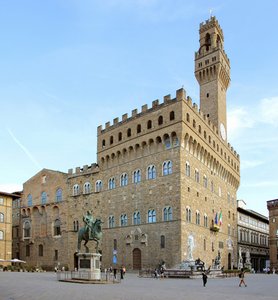 Palazzo Vecchio |
佛罗伦萨 | 1 | The Expulsion of the Duke of Athens |
 国家博物馆 |
阿姆斯特丹 | 1 | Triptych with the Virgin and Child, and Saints Mary Magdalene and Ansanus, Andrea di Cione named Orcagna, 1350 |
选择一个年代,探索定义该时代的原创杰作。
Saint John the Baptist (1355),耶鲁大学艺术馆, 纽黑文。紧随其后的是 The Calling of St. Matthew (1367) 和 Throne of Grace (1400)。
40岁:Saint John the Baptist创作于1355年,Orcagna出生于1315年。
Saint John the Baptist, The Calling of St. Matthew, Throne of Grace, The Burial of the Virgin, Tabernacle (detail), Tabernacle, Dormition and Assumption of the Virgin, detail of the Tabernacle, View of the Chapel, Hell (fragment) 及 The Expulsion of the Duke of Athens。上方排名显示了每件作品的创作年份及馆藏机构。
我们的目录收录了 13 件 Orcagna 的作品,创作年代从 1343 年至 1367 年。
多见于 Cappella Strozzi (Florence), 耶鲁大学艺术馆 (纽黑文) 及 华沙国家博物馆 (华沙)。上方的博物馆列表列出了所有相关机构。
在 1350s 期间:本页 13 件作品中有 8 件创作于该时期,其中包含 Saint John the Baptist 件作品。
在本页面中,最早的作品创作于 The Expulsion of the Duke of Athens (1343),最晚的创作于 The Calling of St. Matthew (1367)。
View of the Chapel 及 The Strozzi Altarpiece:Cappella Strozzi, Florence收藏了本页中 2 件作品。
是的,作为复制品:原作仍保存在博物馆中,但您可以通过该画作的专属页面,为您定制任何一幅此页面上的手绘作品,每一件均为您量身打造。
The name Orcagna—a moniker bestowed upon him by local artisans—encompasses a remarkable figure in the history of Italian art: Andrea di Cione, a painter, sculptor, architect, and master craftsman who dominated the artistic landscape of Florence during the latter half of the 14th century. Born around 1308 within the bustling heart of the city, Orcagna’s life was inextricably linked to its burgeoning wealth, political intrigue, and fervent religious devotion—elements that profoundly shaped his distinctive style and enduring legacy. His story isn't one of solitary genius, but rather a testament to collaborative artistry, meticulous planning, and an unwavering commitment to both technical mastery and expressive power.
Orcagna’s early life remains shrouded in some mystery, though it is believed he apprenticed under the renowned sculptor Andrea Pisano. This formative experience instilled within him a deep appreciation for classical forms and a sophisticated understanding of three-dimensional space—qualities that would later manifest in his monumental marble tabernacle for Orsanmichele. However, Orcagna’s artistic trajectory quickly diverged from his master's, developing a distinctly Florentine style characterized by dramatic figures, vibrant colors, and an innovative approach to composition. He was formally admitted into the painter’s guild in 1343-44 and later joined the stonemasons’ guild in 1352, demonstrating his versatility and ambition across multiple artistic disciplines.
Orcagna's most celebrated achievement undoubtedly lies in his contribution to the magnificent façade of the cathedral in Orvieto. Commissioned in 1358, this project demanded a level of technical skill and artistic vision that pushed Orcagna to the very limits of his abilities. He oversaw the creation of an extensive mosaic decoration, including a breathtaking rose window—a masterpiece of Byzantine-inspired design that exemplifies the lavishness and spiritual intensity characteristic of the period. The mosaics themselves are characterized by their rich palette, intricate detailing, and powerful emotional impact, reflecting Orcagna’s mastery of color theory and his ability to imbue religious subjects with palpable drama.
The scale of this undertaking was immense, requiring meticulous planning and coordination. Orcagna's role extended beyond mere execution; he served as a consultant, guiding the work of numerous skilled artisans and ensuring that every element harmonized within the overall design. The Orvieto mosaics stand as a testament to his organizational prowess and his ability to synthesize diverse artistic talents into a cohesive whole.
Perhaps Orcagna's most enduring legacy resides in the monumental marble tabernacle he designed and oversaw for the Orsanmichele, a former confraternity hall now serving as a public art gallery. Completed between 1352 and 1359, this architectural marvel is a complex and ambitious undertaking that showcases Orcagna’s exceptional skill as an architect and sculptor. The tabernacle's intricate façade is adorned with a multitude of sculpted figures—a veritable encyclopedia of biblical narratives, allegorical symbols, and classical motifs. Each figure is rendered with remarkable detail and expressive power, reflecting Orcagna’s deep understanding of human anatomy and his ability to convey complex emotions through gesture and expression.
The tabernacle's design incorporates a sophisticated system of arches, vaults, and niches, creating a dynamic interplay of light and shadow. The use of color—particularly the vibrant hues of the inlaid marble—further enhances its visual impact. Orcagna’s work on Orsanmichele demonstrates his mastery of both architectural form and sculptural technique, solidifying his reputation as one of Florence's most accomplished artists.
Orcagna’s influence extended far beyond the immediate commissions he undertook. His innovative approach to composition—characterized by dynamic figures, dramatic lighting, and a heightened sense of realism—helped to shape the course of Florentine painting in the late 14th century. He bridged the gap between the Gothic traditions inherited from his predecessors and the emerging Renaissance style, paving the way for future generations of artists. His work served as an inspiration to many of Florence’s leading painters, including Jacopo di Cione, his brother, who continued Orcagna's artistic legacy after his death in 1368.
Orcagna’s untimely death at the age of sixty is a poignant reminder of the fragility of life and the immense loss suffered by the Florentine art world. Despite his relatively short career, he left behind a remarkable body of work that continues to captivate audiences today—a testament to his extraordinary talent, unwavering dedication, and enduring vision.


