George Segal (1924 – 2000): The Poetic Void of Everyday Life
George Segal was a pivotal figure in American
Pop Art, renowned for his distinctive sculptural approach that combined meticulous craftsmanship with profound emotional resonance. Born in
New York City in 1924 to Jewish immigrants from Eastern Europe, Segal’s upbringing instilled in him an appreciation for both artistic tradition and intellectual curiosity—a duality that would profoundly shape his creative vision. He pursued formal education at Stuyvesant High School, Pratt Institute, Cooper Union, and NYU, earning a teaching degree in 1949, establishing a foundation for his future career as an educator and artist.
- Early Career & Influences: Segal’s artistic journey began with painting, absorbing influences from Surrealism and Abstract Expressionism, particularly the work of Franz Kline and Willem de Kooning. However, he swiftly transitioned to sculpture, recognizing its potential for conveying complex ideas through simplified forms.
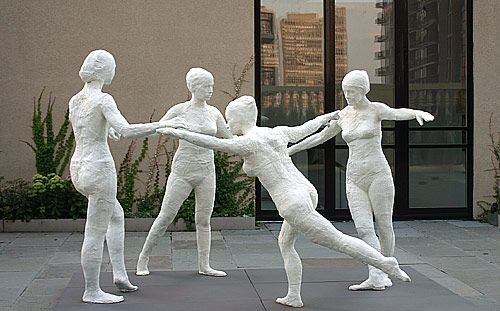
- The Plaster Bandage Technique: Segal revolutionized sculptural technique by pioneering the use of plaster bandages—specially designed gauze strips impregnated with plaster—as his primary medium. This innovative method involved wrapping a model in bandages in sections, removing hardened forms, and reconstructing them with additional plaster to create hollow shells. Unlike traditional molds, these shells retained the texture of the bandages, resulting in sculptures that possessed an inherent physicality and vulnerability.
Sculptural Innovation: Life-Size Casts & Melancholic Urban Scenes
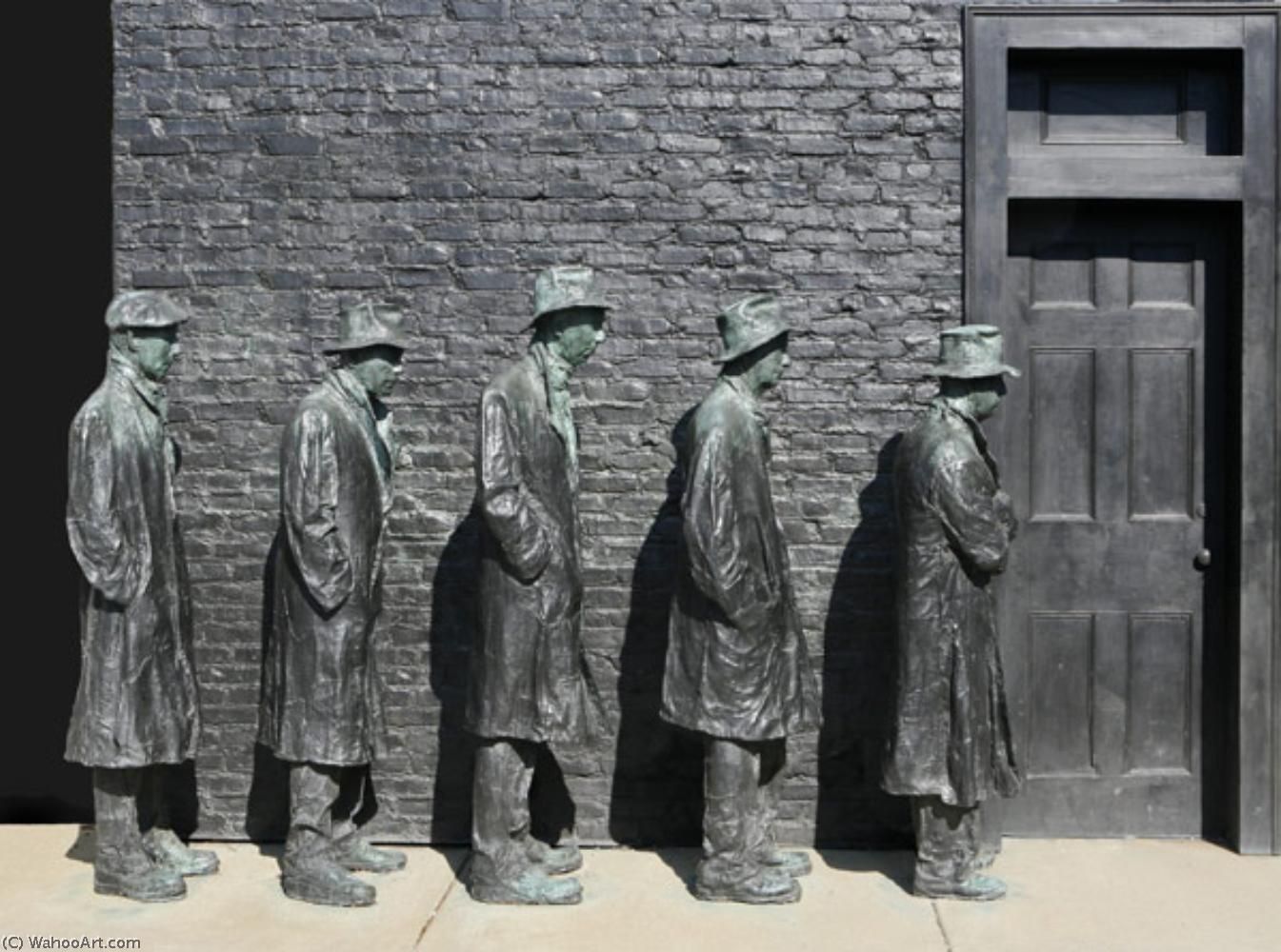
Segal’s sculptural output is characterized by its striking simplicity—life-size figures placed within meticulously constructed urban environments crafted from found objects like benches, bus shelters, and diner tables. These scenes evoke a sense of isolation and contemplation, mirroring the artist's own preoccupation with themes of mortality and human experience. The figures themselves are rendered in
muted tones, devoid of excessive detail, contributing to their ghostly appearance and conveying an atmosphere of melancholic beauty. This deliberate reductionist style aligns perfectly with
Pop Art’s rejection of emotional excess and its focus on confronting everyday realities.
- The Process: Segal initially painted his sculptures white, reflecting the original plaster form. Later, he transitioned to bronze casting, sometimes patinating it white to emulate the texture of the plaster bandages—a testament to his commitment to preserving the materiality of his process.
- Symbolism & Atmosphere: The figures’ stillness and anonymity serve as powerful symbols of human existence, prompting viewers to consider questions about identity, solitude, and the passage of time. Segal's environments amplify this effect, creating spaces that feel both familiar and unsettling.
Recognition & Legacy
George Segal’s contribution to
American art was formally acknowledged in 1999 when he received the United States National Medal of Arts—a prestigious honor bestowed upon individuals who have made significant contributions to the arts. His sculptures continue to resonate with audiences worldwide, celebrated for their understated elegance and profound
psychological depth. Segal's work stands as a cornerstone of
Pop Art’s exploration of existential concerns within the context of
modern life, cementing his place as one of the most influential sculptors of the 20th century.
Notable Works
Some of Segal’s most celebrated pieces include “
Three People on 4 Benches,” “
Two Bathers,” and “
The Tightrope Walker”—each embodying the artist's signature style and conveying a poignant meditation on
human vulnerability and urban solitude. These sculptures are currently housed in prominent museums across North America and Europe, ensuring that Segal’s artistic vision will endure for generations to come.
Further Exploration
For more information about George Segal’s life and work, please refer to the Wikipedia article:
Wikipedia.