弗朗齐歇克·库普卡 肖像

100 幅最著名的 弗朗齐歇克·库普卡 作品,画廊精选

更新于 November 2026 · 基于我们的流行度评分排名(每件作品的搜索量、访问量及订单量) · 287 件 弗朗齐歇克·库普卡 作品收录于我们的目录中

简而言之

在 弗朗齐歇克·库普卡 留下的所有原作中,最著名的作品是 Around a Point。 紧随其后的是 Disks of Newton, Study for Fugue in Two Colors (1911) 和 The Cathedral (1913)。 我们的目录收录了 弗朗齐歇克·库普卡 的 287 件作品;画廊完整保留了 100 件享誉世界的杰作,并为每一件作品详细标注了创作日期、馆藏机构及其背后的故事。

1871 – 1957, 奧波奇諾 Abstract expressionism 藏品最多:所罗门·R·古根海姆博物馆

弗朗齐歇克·库普卡 的十大名画:画廊精选

1
Around a Point 由 弗朗齐歇克·库普卡

Around a Point

Oil On Canvas

František Kupka, a pivotal figure in early abstract art and Orphic Cubism, presents "Around a Point," a captivating work housed within the Paris Museum of Modern Art. This painting isn't merely an image; it’s an exploration of cosmic forces translated onto canvas through defined borders and a vibrant interplay of colors.

2
Disks of Newton, Study for Fugue in Two Colors (1911) 由 弗朗齐歇克·库普卡

Disks of Newton, Study for Fugue in Two Colors

1911 · Painting

To stand before František Kupka's "Disks of Newton, Study for Fugue in Two Colors" is to step across the threshold into a realm where mathematics dissolves into pure, ecstatic color. This painting is not merely an arrangement of circles; it is a visual symphony, a meticulously orchestrated exploration of rhythm and light that speaks directly to the nascent spirit of abstraction. The composition immediately arrests the viewer with its vibrant…

3
The Cathedral (1913) 由 弗朗齐歇克·库普卡

The Cathedral

1913 · Tempera · Museum Kampa, 布拉格

In the quiet transition between day and night, František Kupka’s 1913 masterpiece, “The Cathedral,” emerges as a profound meditation on the intersection of the earthly and the divine. This work is far more than a mere architectural study; it is a window into a soul seeking transcendence. The composition presents a deceptively simple depiction of a cathedral set against an expansive twilight sky, where the soaring spire and sturdy roof…

4
Planes by Colors, Large Nude (1910) 由 弗朗齐歇克·库普卡

Planes by Colors, Large Nude

1910 · Oil On Canvas · 所罗门·R·古根海姆博物馆, 纽约市

The painting depicts a nude woman seated on a couch in a contemplative or introspective pose. Her left arm rests upon the back of the couch, while her right hand is placed against her chin. The figure's body is rendered through a vibrant palette of various hues: her head is composed of shades of purple and red, her torso and arms are painted in yellow and green tones, and her…

5
Babylon (1906) 由 弗朗齐歇克·库普卡

Babylon

1906 · Oil

The painting presents a wide view of a body of water where several figures stand along the edge. In the middle distance, a single boat rests upon the surface. Scattered throughout the composition are various statues, some positioned near the shoreline and others situated further back from the water. The figures in the foreground appear to be gathered at the water's edge, their presence contributing to a sense of stillness.…

6
Piano Keys Lake (1905) 由 弗朗齐歇克·库普卡

Piano Keys Lake

1905 · Oil On Canvas

In the dawn of the twentieth century, as the boundaries of reality began to dissolve under the influence of new philosophical currents, František Kupka captured a moment of profound transition in his 1905 masterpiece, Piano Keys Lake. This work is far more than a mere depiction of a tranquil landscape; it is a cornerstone of Orphism, a movement that dared to reject the literal constraints of representation in favor of…

7
Water. The Bather. (1907) 由 弗朗齐歇克·库普卡

Water. The Bather.

1907 · Oil On Canvas

Water. The Bather. is an oil on canvas painting created in 1907. The artwork measures 63 x 80 cm and is a work of Symbolism. The composition features a serene woman depicted floating on her back in the water, surrounded by rocks. Her arms are outstretched, and her body occupies most of the canvas, serving as a focal point within the tranquil environment.

8
The Lotus Soul (1898) 由 弗朗齐歇克·库普卡

The Lotus Soul

1898 · Oil On Canvas

The triptych format of The Lotus Soul by František Kupka divides the scene into three distinct narrative segments, creating a sense of progression or an unfolding story. The left panel features a luminous, ethereal figure emerging from a bed of water lilies, bathed in soft light. The central panel depicts the lily pads themselves, rendered with loose brushstrokes and varying shades of blue-green. On the right, a group of figures…

9
The Wave (1902) 由 弗朗齐歇克·库普卡

The Wave

1902 · Oil On Canvas

Created about 1902, The Wave by František Kupka presents a dynamic encounter between humanity and the natural world. The composition is dominated by a massive, swirling wave that occupies the majority of the canvas. This surge of water moves with a sense of momentum, characterized by fluid lines and distorted forms that prioritize movement over realistic representation.

10
Woman Picking Flowers (1909) 由 弗朗齐歇克·库普卡

Woman Picking Flowers

1909 · Pastel

In this 1909 work, František Kupka explores the nuances of movement and form through the lens of Orphism. The piece, titled Woman Picking Flowers, belongs to the category of female portraits, yet it moves beyond simple representation. It captures a specific, fleeting sequence of motion, focusing on the way a figure transitions through space.

弗朗齐歇克·库普卡 系列持续更新,第 11 至 100 项

11Planes by Colors (Great Nude) (1909) 由 弗朗齐歇克·库普卡Planes by Colors (Great Nude)1909 12The shape of zul 由 弗朗齐歇克·库普卡The shape of zul 13Color drawings 由 弗朗齐歇克·库普卡Color drawings 14Positioning of Mobile Graphic Elements (1913) 由 弗朗齐歇克·库普卡Positioning of Mobile Graphic Elements1913 15Location of mobile graphics 由 弗朗齐歇克·库普卡Location of mobile graphics 16The colored (1920) 由 弗朗齐歇克·库普卡The colored1920 · 所罗门·R·古根海姆博物馆 17The Conqueror Worm 由 弗朗齐歇克·库普卡The Conqueror Worm 18Girl with a Ball 由 弗朗齐歇克·库普卡Girl with a Ball 19The Book Lover I 由 弗朗齐歇克·库普卡The Book Lover I 20Ballad of Epona (1900) 由 弗朗齐歇克·库普卡Ballad of Epona1900 21Ms. Kupka between vertical 由 弗朗齐歇克·库普卡Ms. Kupka between vertical 22Self-Portrait with Wife (1908) 由 弗朗齐歇克·库普卡Self-Portrait with Wife1908 23The Way of Silence 由 弗朗齐歇克·库普卡The Way of Silence 24Drill (1926) 由 弗朗齐歇克·库普卡Drill1926 25Twisted black lines 由 弗朗齐歇克·库普卡Twisted black lines 26The Book Lover (1897) 由 弗朗齐歇克·库普卡The Book Lover1897 27Lying naked, Gabrielle (1898) 由 弗朗齐歇克·库普卡Lying naked, Gabrielle1898 28'Study for ''Autumn Sun''' (1905) 由 弗朗齐歇克·库普卡'Study for ''Autumn Sun'''1905 29Prometheus in chains (1905) 由 弗朗齐歇克·库普卡Prometheus in chains1905 30Report (1903) 由 弗朗齐歇克·库普卡Report1903 31The man and the earth (1904) 由 弗朗齐歇克·库普卡The man and the earth1904 32Money (1899) 由 弗朗齐歇克·库普卡Money1899 33The Song of Songs (1904) 由 弗朗齐歇克·库普卡The Song of Songs1904 34Autumn Sun (1906) 由 弗朗齐歇克·库普卡Autumn Sun1906 · National Gallery Prague 35Bathers (1906) 由 弗朗齐歇克·库普卡Bathers1906 36The Way of Silence II 由 弗朗齐歇克·库普卡The Way of Silence II 37Nocturne (1910) 由 弗朗齐歇克·库普卡Nocturne1910 38Tango (1909) 由 弗朗齐歇克·库普卡Tango1909 39Study in black and white 3 由 弗朗齐歇克·库普卡Study in black and white 3 40Amorpha. Fugue in Two Colors 22 由 弗朗齐歇克·库普卡Amorpha. Fugue in Two Colors 22 41Blue and red vertical planes 由 弗朗齐歇克·库普卡Blue and red vertical planes 42Admiration (1899) 由 弗朗齐歇克·库普卡Admiration1899 43Only a trace of brown 由 弗朗齐歇克·库普卡Only a trace of brown 44The First Step 由 弗朗齐歇克·库普卡The First Step 45Composition in Blue 由 弗朗齐歇克·库普卡Composition in Blue 46philosophical architecture 由 弗朗齐歇克·库普卡philosophical architecture 47Autour d'un point 由 弗朗齐歇克·库普卡Autour d'un point 48Amorpha. Fugue in Two Colors 由 弗朗齐歇克·库普卡Amorpha. Fugue in Two Colors 49Tale of pistils and stamens 由 弗朗齐歇克·库普卡Tale of pistils and stamens 50Mouvement 由 弗朗齐歇克·库普卡Mouvement 51Elevation IV, serie C II 由 弗朗齐歇克·库普卡Elevation IV, serie C II 52Woman before a mirror 由 弗朗齐歇克·库普卡Woman before a mirror 53In degradation (vertical) 由 弗朗齐歇克·库普卡In degradation (vertical) 54Disks of Newton 1 由 弗朗齐歇克·库普卡Disks of Newton 1 55Tale of pistils and stamens 1 由 弗朗齐歇克·库普卡Tale of pistils and stamens 1 56View from a Carriage Window 由 弗朗齐歇克·库普卡View from a Carriage Window 57Serie C VIII 由 弗朗齐歇克·库普卡Serie C VIII 58The Gallien girl (1910) 由 弗朗齐歇克·库普卡The Gallien girl1910 59Three blue and three red 由 弗朗齐歇克·库普卡Three blue and three red 60The Black Idol (Resistance) (1903) 由 弗朗齐歇克·库普卡The Black Idol (Resistance)1903 61Danse Macabre (1896) 由 弗朗齐歇克·库普卡Danse Macabre1896 62Procession (1905) 由 弗朗齐歇克·库普卡Procession1905 63Prometheus in chains (1905) 由 弗朗齐歇克·库普卡Prometheus in chains1905 64The victorious dragon (1900) 由 弗朗齐歇克·库普卡The victorious dragon1900 65The Way of Silence (1903) 由 弗朗齐歇克·库普卡The Way of Silence1903 66Prometheus in chains (1905) 由 弗朗齐歇克·库普卡Prometheus in chains1905 67Sleeping Face (1902) 由 弗朗齐歇克·库普卡Sleeping Face1902 68The novelist (1903) 由 弗朗齐歇克·库普卡The novelist1903 69Self-Portrait (1905) 由 弗朗齐歇克·库普卡Self-Portrait1905 70Prometheus in chains (1905) 由 弗朗齐歇克·库普卡Prometheus in chains1905 71The forest, illustration project 由 弗朗齐歇克·库普卡The forest, illustration project 72Sphinx 由 弗朗齐歇克·库普卡Sphinx 73Portrait of a woman 由 弗朗齐歇克·库普卡Portrait of a woman 74Untitled 由 弗朗齐歇克·库普卡Untitled 75Prometheus Bound 5 由 弗朗齐歇克·库普卡Prometheus Bound 5 76Reclining nude 由 弗朗齐歇克·库普卡Reclining nude 77Aguatinta 由 弗朗齐歇克·库普卡Aguatinta 78untitled (4992) 由 弗朗齐歇克·库普卡untitled (4992) 79Wave 由 弗朗齐歇克·库普卡Wave 80Prometheus Bound 4 由 弗朗齐歇克·库普卡Prometheus Bound 4 81Eva 由 弗朗齐歇克·库普卡Eva 82Study for 'The oval mirror' 由 弗朗齐歇克·库普卡Study for 'The oval mirror' 83Study for chapter 由 弗朗齐歇克·库普卡Study for chapter 84Portrait of young girl, head in profile 由 弗朗齐歇克·库普卡Portrait of young girl, head in profile 85Women in the tavern 由 弗朗齐歇克·库普卡Women in the tavern 86Self-portrait 1 由 弗朗齐歇克·库普卡Self-portrait 1 87Girl with a ball 1 由 弗朗齐歇克·库普卡Girl with a ball 1 88Freedom. Cover for L'Assiette au beurre 1 由 弗朗齐歇克·库普卡Freedom. Cover for L'Assiette au beurre 1 89Women in the triangles 由 弗朗齐歇克·库普卡Women in the triangles 90Head of a slut 由 弗朗齐歇克·库普卡Head of a slut 91Baby steel 由 弗朗齐歇克·库普卡Baby steel 92Study for ''Sol de otoño'' 由 弗朗齐歇克·库普卡Study for ''Sol de otoño'' 93Bather (1906) 由 弗朗齐歇克·库普卡Bather1906 94Woman picking flowers 2 由 弗朗齐歇克·库普卡Woman picking flowers 2 95The Money 由 弗朗齐歇克·库普卡The Money 96Oval mirror (1911) 由 弗朗齐歇克·库普卡Oval mirror1911 97Lipstick (1908) 由 弗朗齐歇克·库普卡Lipstick1908 98The Crowning of Helen (1906) 由 弗朗齐歇克·库普卡The Crowning of Helen1906 99The chestnut tree in blossom (1906) 由 弗朗齐歇克·库普卡The chestnut tree in blossom1906 100The guy (1910) 由 弗朗齐歇克·库普卡The guy1910

弗朗齐歇克·库普卡 的传世名作,按时期分类

令 弗朗齐歇克·库普卡 驻足的创作主题

这些原作中反复出现的四个主题,各有一个最杰出的范例。

收藏有 弗朗齐歇克·库普卡 原作的博物馆

收藏了本页中大部分画作的 3 家博物馆。

博物馆 城市 弗朗齐歇克·库普卡 的作品 此列表中的画作
所罗门·R·古根海姆博物馆, 纽约市所罗门·R·古根海姆博物馆 纽约市 2 Planes by Colors, Large Nude, The colored
Museum Kampa, 布拉格Museum Kampa 布拉格 1 The Cathedral
National Gallery Prague, 布拉格National Gallery Prague 布拉格 1 Autumn Sun

弗朗齐歇克·库普卡 的年代演变:定义每个时代的原创之作

各年代作品数量

选择一个年代,探索定义该时代的原创杰作。

藏家关于 弗朗齐歇克·库普卡 作品的常见问题

弗朗齐歇克·库普卡 最著名的作品是哪一件?揭晓答案

Around a Point。紧随其后的是 Disks of Newton, Study for Fugue in Two Colors (1911) 和 The Cathedral (1913)。

弗朗齐歇克·库普卡 最著名的十幅画作是什么?揭晓答案

Around a Point, Disks of Newton, Study for Fugue in Two Colors, The Cathedral, Planes by Colors, Large Nude, Babylon, Piano Keys Lake, Water. The Bather., The Lotus Soul, The Wave 及 Woman Picking Flowers。上方排名显示了每件作品的创作年份及馆藏机构。

弗朗齐歇克·库普卡 留下了多少幅画作?揭晓答案

我们的目录收录了 287 件 弗朗齐歇克·库普卡 的作品,创作年代从 1896 年至 1926 年。

弗朗齐歇克·库普卡 的杰作收藏在哪些博物馆中?揭晓答案

多见于 所罗门·R·古根海姆博物馆 (纽约市), Museum Kampa (布拉格) 及 National Gallery Prague (布拉格)。上方的博物馆列表列出了所有相关机构。

弗朗齐歇克·库普卡 在哪些年份创作了最著名的作品?揭晓答案

在 1900s 期间:本页 100 件作品中有 30 件创作于该时期,其中包含 Babylon 件作品。

弗朗齐歇克·库普卡 的首件与末件名作原件分别是哪几件?揭晓答案

在本页面中,最早的作品创作于 Danse Macabre (1896),最晚的创作于 Drill (1926)。

弗朗齐歇克·库普卡 最常创作的主题是什么?揭晓答案

Nudes (12), Geometric forms (9) 及 Woman (7),共计 100 件作品。

弗朗齐歇克·库普卡 最常用的技法是什么?揭晓答案

Oil On Canvas,共计 16 件(本页共有 100 件作品)。

弗朗齐歇克·库普卡 属于哪种艺术流派?揭晓答案

根据本页面的原作,Abstract expressionism

哪些 弗朗齐歇克·库普卡 的作品在 所罗门·R·古根海姆博物馆 展出?揭晓答案

Planes by Colors, Large Nude 及 The colored:所罗门·R·古根海姆博物馆, 纽约市收藏了本页中 2 件作品。

弗朗齐歇克·库普卡:生平与作品

早年生活与学院派训练

弗朗西斯·库普卡于1871年9月23日出生在奥匈帝国疆域内的波希米亚东部小镇奥波奇诺。他早年的成长轨迹深受这片土地自然景观的影响,而这种对环境的感知,也为他日后转向更为复杂、非具象的艺术形式埋下了伏笔。在1889年至1892年间,他在布拉格美术学院度过了求学时光。在这些年的学习中,他的画笔主要聚焦于历史与爱国主义主题,在严谨的学院派技术训练中,不断探索并诠释着故土的叙事。

随后,他的艺术教育在维也纳美术学院继续展开。正是在这段系统的正规训练时期,他的兴趣开始向“不可见之物”偏移。他开始接触神智学与东方哲学,试图在画布的物质表面之外寻找更深层的意义。这些研究为他的思维引入了一个精神维度,引领他逐渐脱离早期训练中那种写实的描绘方式,转而投身于对更深邃、更隐秘的现实的追寻。

巴黎觉醒与艺术演变

1894年移居巴黎,彻底改变了他艺术创作的方向。在朱利安学院度过了一段时光后,他进一步前往美术学院,师从让-皮埃尔·洛朗学习。在巴黎的这些岁月里,他沉浸在世纪末那充满变革气息的艺术氛围中。他并非仅仅在汲取技法,更是在寻找一种能够表达那些肉眼难以察觉之物的途径。他的创作重心开始从早期训练中那些宏大的历史与爱国题材,转向一种更为内在、更为深邃的精神探索。

到了1906年,他已在巴黎郊区的皮托定居。这一时期标志着他向公众展示作品方式的重大转变。同年,他首次参加了秋季沙龙展。那个时代的绘画作品展现出一种与他在布拉格和维也纳所实践的具象风格截然不同的姿态。他开始迈向一种更加私人化的视觉语言——这种语言不再依赖于描绘可识别的物体,而是赋予色彩与形式以优先地位,试图通过它们来传达深层的意义。

技法与抽象的语言

到了1910至1911年间,弗朗西斯·库普卡早期作品中那些清晰可辨的轮廓开始逐渐退去。他不再致力于描绘肉眼所见的客观物体,而是转而运用线条与形式来表达内在的思想。这种转变并非是对结构的背离,而是一场对另一种真理的追寻。他开始深入探究色彩的本质,细致研究不同的色调如何在画布表面相互交织、相互影响。在他看来,绘画中色彩的特定运用能够引导观者进入一种原始的生命状态。

他对材质的处理也变得愈发深思熟虑。在他1910年的作品 《夜曲》 中,他通过层层叠加油彩,构建出一种光感与肌理深度并存的视觉效果。这种技法使得光线仿佛并非来自外部,而是从颜料内部自然透射而出。他专注于研究色彩如何作为一种独立的生命力发挥作用,超越了单纯的描述性功能,从而创造出一种纯粹感官体验的视觉语言。

  • 《夜曲》 (1910)

奥菲克立体主义与奥菲克风格的演进

到了1912年,弗朗西斯·库普卡的作品重心已悄然转向一种全新的视觉感知方式。在独立沙龙(Salon des Indépendants)举办的“黄金分割立体主义”展览期间,他的画作开始逐渐脱离现实世界中那些可辨识的形态。这一时期见证了奥菲克主义(Orphism)的兴起——这是一种将色彩与光的律动置于物体描绘之上的艺术运动。他的作品成为了这一新风格的典范,试图冲破传统再现艺术的边界,探索一种更纯粹的视觉真理。

这种向纯粹抽象的转型,在色彩的处理方式中体现得尤为明显。在1912年的杰作 Amorpha, Fugue en deux couleurs 中,创作的主题不再是具体的人物或地点,而是色彩本身交织、碰撞的动态过程。这部作品常被视为完全非具象绘画的开山之作之一。画作中层层堆叠的颜料不再是为了描绘某个场景,而是创造出一种独立于任何物理模型之外的光影节奏与生命律动。

  • Amorpha, Fugue en deux couleurs (1912)

关键作品与艺术里程碑

随着创作重心向一种全新的视觉语言转移,弗朗西斯·库普卡的构图开始逐渐剥离那些可辨识的具象主题。在1907年,他创作了《黄色比例》(The Yellow Scale),这部作品常被视为其艺术发展史上的核心成就。到了1909年,绘画作品《钢琴键盘/湖泊》(Piano Keyboard/Lake)标志着他正式告别早期的写实风格,转向一种更具节奏感的色彩编排。这些迈向抽象的初步尝试,赋予了他探索光影与形式如何脱离具体物象而独立存在的自由。

随着他对运动与色彩实验的不断深入,他的画布变得愈发具有结构感与复杂性。他在1911年创作的《牛顿圆盘,双色赋格曲研究》(Disks of Newton, Study for Fugue in Two Colors)展现了科学观察与音乐节奏之间的奇妙交汇。这种高强度的探索一直延续到1913年,当时他创作了《大教堂》(The Cathedral)以及《垂直与对角线平面》(Vertical and Diagonal Planes)。后者现收藏于纽约的大都会艺术博物馆。这些作品深刻地展示了线条与平面如何通过纯粹的能量而非对物理实体的描绘,来重构并组织空间。

遗产与国际认可

通过在艺术界的积极参与,弗朗西斯·库普卡的作品影响力逐渐沉淀为现代主义的基石。1931年,他成为了 Abstraction-Création 的创始成员,这是一个致力于推广抽象艺术的国际组织。这一举措为那些试图突破具象表现边界的艺术家们,开辟出了一个具有结构性的艺术空间。他在这一运动中的卓越地位得到了各大艺术机构的认可,包括纽约现代艺术博物馆,该馆曾在一次关于抽象主义与立体主义的历史回顾展中,将他的画作纳入其中。

他处理画布的方式,使他与那些重新定义绘画极限的重要人物并驾齐驱。他不再依赖可识别的图像,而是通过线条与形式来传达思想,这使他在美术史上被确立为抽象艺术的先驱。他的创作成果常被拿来与 皮特·蒙德里安 和 瓦西里·康定斯基 的作品并论,标志着一种视觉语言的转向——这种语言将色彩与形状的互动,置于对物理世界的描绘之上。

在何处领略他的艺术杰作

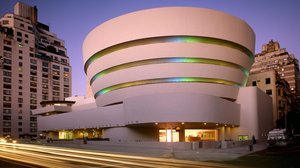
若想亲眼见证这些充满生命力的画布,纽约市无疑是朝圣之地。在所罗门·R·古根海姆博物馆中,收藏着他的数件力作,其中包括《彩色的一位》以及《色彩平面,大裸体》。与此同时,纽约大都会艺术博物馆也珍藏着他抽象时期的代表作,特别是那幅《垂直与对角线平面》。

而在欧洲,弗朗西斯·库普卡的艺术足迹在巴黎与布拉格依然清晰可感。法国的巴黎现代艺术博物馆收藏了他的绘画作品,在那里,你可以近距离观察色彩与光影交织出的层叠韵律。在捷克布拉格,坎帕美术馆也拥有一系列珍贵藏品,其中不乏如《大教堂》这类具有开创意义的杰作。

  • 《无形:双色赋格曲》,约1912年
  • 《牛顿圆盘,《双色赋格曲》习作》,约1911年
  • 《彩色的一位》,约1920年