


1


更新于 November 2026 · 基于我们的流行度评分排名(每件作品的搜索量、访问量及订单量) · 15 件 Samuel Schwarz 作品收录于我们的目录中
简而言之
在画廊看来,Samuel Schwarz 最著名的作品是 Harbor in Mallorca (1914),其原作现收藏于 阿尔克马尔 的 Stedelijk Museum。 A Farm in Bergen (1916) 与 Mallorca (1914) 共同构成了那组令人过目不忘的艺术三部曲。 在我们的目录中,Samuel Schwarz 共有 15 件作品,画廊为您精选了以下 6 件最著名的原作,并详细列出了每件作品的创作年份、馆藏机构及其独特之处。
收藏了本页中大部分画作的 2 家博物馆。
| 博物馆 | 城市 | Samuel Schwarz 的作品 | 此列表中的画作 |
|---|---|---|---|
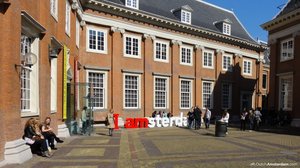 阿姆斯特丹博物館 |
阿姆斯特丹 | 4 | Mallorca, Dorpsstraat in the Sun, Still Life |
 Stedelijk Museum |
阿尔克马尔 | 2 | Harbor in Mallorca, A Farm in Bergen |
Samuel Schwarz 在此页面的艺术生涯跨越了 14 年,从 1912 年到 1925 年:每年都会展示其最具代表性的原作。
选择年份以查看原作。


Harbor in Mallorca (1914),Stedelijk Museum, 阿尔克马尔。紧随其后的是 A Farm in Bergen (1916) 和 Mallorca (1914)。
38岁:Harbor in Mallorca创作于1914年,Samuel Schwarz出生于1876年。
我们的目录收录了 15 件 Samuel Schwarz 的作品,创作年代从 1912 年至 1925 年。
多见于 阿姆斯特丹博物館 (阿姆斯特丹) 及 Stedelijk Museum (阿尔克马尔)。上方的博物馆列表列出了所有相关机构。
在 1914 期间:本页 6 件作品中有 2 件创作于该时期,其中包含 Harbor in Mallorca 件作品。
在本页面中,最早的作品创作于 Dorpsstraat in the Sun (1912),最晚的创作于 Still Life on a Set Table (1925)。
Mallorca, Dorpsstraat in the Sun 及 Still Life:阿姆斯特丹博物館, 阿姆斯特丹收藏了本页中 4 件作品。
Born in Zutphen, Netherlands, Samuel Leser Schwarz lived through a period of profound transformation in the European landscape. Known to many by the name Mommie Schwarz, he moved through the early twentieth century with a spirit that embraced the shifting boundaries of modern expression. His path was not one of quiet tradition, but rather an engagement with the bold, experimental currents of his era.
His existence spanned the turn of the century into the dark years of the 1940s, a time when the very foundations of society were being reshaped by conflict. As a painter and graphic artist, he sought to capture the essence of a changing world through the lens of new movements. His work reflects the tension between the seen and the felt.
In his studio, Schwarz found a way to communicate through the raw energy of the Avant-garde and Expressionism. He did not merely record scenes; he interpreted them. One might look at his oil on canvas works, such as Dorpsstraat in de zon from 1912, to see how he handled light and atmosphere. The brushstrokes carry a weight that speaks of the artist's internal response to the subject matter.
His technical approach allowed for a certain fluidity of thought. By working within the realms of both painting and graphic arts, he explored different textures and depths. This versatility helped him navigate the complex artistic dialogues of the early 1900s.
Though his life reached its end in Germany in 1942, the traces of his vision remain held within significant collections. His contributions to the visual record are found in places such as the Jewish Museum in the Netherlands, where pieces of his history are kept safe from the passage of time.
The importance of his work lies in its connection to the broader movements of his age. He remains a figure whose hand helped shape the experimental spirit of the early twentieth century, leaving behind works that continue to be studied for their unique perspective on the world around him.
