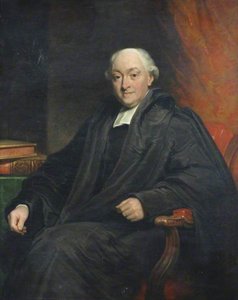
Richard Evans 肖像

Richard Evans 作品:画廊视角下的 23 幅名作

更新于 November 2026 · 基于我们的流行度评分排名(每件作品的搜索量、访问量及订单量) · 28 件 Richard Evans 作品收录于我们的目录中

简而言之

在画廊看来,Richard Evans 最著名的作品是 Portrait of Semion R. Vorontsov (1744-1832) (1828),其原作现收藏于 圣彼得堡 的 冬宫博物馆。 Sir Thomas Lawrence (1820) 与 Thomas Taylor (copy after Thomas Lawrence) (1812) 共同构成了那组令人过目不忘的艺术三部曲。 在我们的目录中,Richard Evans 共有 28 件作品,画廊为您精选了以下 23 件最著名的原作,并详细列出了每件作品的创作年份、馆藏机构及其独特之处。

1784 – 1871, Shrewsbury Neoclassicism 藏品最多:Durham University

画廊中 Richard Evans 的十大名画

1
Portrait of Semion R. Vorontsov (1744-1832) (1828) 作 Richard Evans

Portrait of Semion R. Vorontsov (1744-1832)

1828 · Oil On Canvas · 冬宫博物馆, 圣彼得堡

The sitter is positioned in a composed, authoritative pose, seated slightly to the left within a structured composition. He is framed by heavy, dark drapery on the upper left, while a dark landscape recedes into the background on the right. The palette relies on somber, deep tones—blacks, dark blues, and earthy browns—which provide a stark contrast to the warm reddish-orange of the armchair and the pale skin tones of the…

2
Sir Thomas Lawrence (1820) 作 Richard Evans

Sir Thomas Lawrence

1820 · Oil On Canvas · 国家肖像美术馆, 伦敦

This oil on canvas portrait presents a bust-length view of a middle-aged man, positioned centrally against a dark, undifferentiated background. The subject is a balding man with dark hair at the sides and prominent sideburns. He gazes directly at the viewer with a steady expression. His attire consists of dark formal clothing, contrasted by the bright white of a cravat. In the lower foreground, his hand holds a wooden palette…

3
Thomas Taylor (copy after Thomas Lawrence) (1812) 作 Richard Evans

Thomas Taylor (copy after Thomas Lawrence)

1812 · Oil

This work, titled Thomas Taylor (copy after Thomas Lawrence), was executed by the English painter Richard Evans. It represents a significant moment in Evans’s early career, created around 1812. During this period, Evans was refining his technical skill through his close association with Sir Thomas Lawrence, whose influence is deeply embedded in the composition and style of this piece.

5
Ganymede Feeding the Eagle (1822) 作 Richard Evans

Ganymede Feeding the Eagle

1822 · Fresco

The scene unfolds in Ganymede Feeding the Eagle, a work that captures a mythic encounter through the hand of Richard Evans. This piece dates to about 1822, a time when the artist was deeply immersed in the classical traditions of Europe. The painting presents a moment of quiet interaction between a figure and a bird, frozen in a landscape that feels both immediate and ancient.

6
George Canning (1825) 作 Richard Evans

George Canning

1825 · Oil

This oil painting, titled George Canning by Richard Evans, depicts the British statesman George Canning. The portrait was created about 1825. The subject is shown in his later years, presented in a manner that reflects his status during his tenure as Prime Minister, a position he held from 1823 to 1827.

7
Alderman Thomas Carden (1738–1836) (1828) 作 Richard Evans

Alderman Thomas Carden (1738–1836)

1828 · Oil On Canvas · Worcester Guildhall, Worcester

In this oil on canvas painting from 1828, an elderly man sits in a chair, his body angled slightly toward the viewer while his gaze is directed off-camera. He wears a heavy red robe that covers his shoulders and torso. His hands are positioned near his face, with his fingers resting against his chin in a contemplative gesture. A book lies on a surface in the foreground, positioned directly in…

8
William Carr, Viscount Beresford (1768–1854), General (completed by Richard Evans, Lawrence's assistant, after Lawrence's death) (1831) 作 Richard Evans

William Carr, Viscount Beresford (1768–1854), General (completed by Richard Evans, Lawrence's assistant, after Lawrence's death)

1831 · Oil On Canvas · Government Art Collection, 伦敦

The portrait depicts William Carr, Viscount Beresford, positioned on the left side of the canvas. He is shown in military attire, wearing a cape and standing with one hand resting on his hip. His posture is upright, directed toward the viewer. In the middle ground, a horse is visible, suggesting a military or field setting. The background contains a landscape of mountains under a sky that meets the horizon line.…

9
Harriet Martineau (1834) 作 Richard Evans

Harriet Martineau

1834 · Oil · 国家肖像美术馆, 伦敦

A woman sits anchored in a chair, her hands resting in a quiet fold upon her lap. She wears a black dress that absorbs the light, a dark void interrupted only by the soft texture of fur around her neck. Her gaze is fixed, heavy with a serious, contemplative stillness. In the periphery, two figures move through their own tasks, their presence a mere hum against her silence. She is…

10
George Bradshaw (1841) 作 Richard Evans

George Bradshaw

1841 · Oil On Canvas

The portrait depicts George Bradshaw, a man appearing to be in his 50s or 60s, seated in a chair positioned toward the left side of the frame. He wears a dark grey suit paired with a white collar and a tie, presenting an appearance of intellectual focus. His gaze is directed toward a large map that spans the entire width of the background. This map, a detailed representation of railway…

Richard Evans 的画作,排名第 11 至 23

令 Richard Evans 驻足的创作主题

这些原作中反复出现的四个主题,各有一个最杰出的范例。

收藏有 Richard Evans 原作的博物馆

收藏了本页大部分画作的 6 家博物馆。

博物馆 城市 Richard Evans 的作品 此列表中的画作
Durham University, 达勒姆Durham University 达勒姆 9 Dr Richard Prosser, Dr Richard Prosser (1747–1839), Dr William Stephen Gilly
国家肖像美术馆, 伦敦国家肖像美术馆 伦敦 3 Sir Thomas Lawrence, Harriet Martineau, George Bradshaw
冬宫博物馆, 圣彼得堡冬宫博物馆 圣彼得堡 1 Portrait of Semion R. Vorontsov (1744-1832)
Worcester Guildhall, WorcesterWorcester Guildhall Worcester 1 Alderman Thomas Carden (1738–1836)
Government Art Collection, 伦敦Government Art Collection 伦敦 1 William Carr, Viscount Beresford (1768–1854), General (completed by Richard Evans, Lawrence's assistant, after Lawrence's death)
国家海事博物馆, 伦敦国家海事博物馆 伦敦 1 Sir Thomas Masterman Hardy (1769–1839), Bt, Vice Admiral of the Blue

Richard Evans,每十年一件代表作

各年代作品统计

选择一个年代,探索定义该时代的原创杰作。

Richard Evans 的画作:画廊解答

哪幅 Richard Evans 的画作最为闻名?揭晓答案

Portrait of Semion R. Vorontsov (1744-1832) (1828),冬宫博物馆, 圣彼得堡。紧随其后的是 Sir Thomas Lawrence (1820) 和 Thomas Taylor (copy after Thomas Lawrence) (1812)。

Richard Evans 完成 Portrait of Semion R. Vorontsov (1744-1832) 时多大年纪?揭晓答案

44岁:Portrait of Semion R. Vorontsov (1744-1832)创作于1828年,Richard Evans出生于1784年。

Richard Evans 最受欢迎的 10 幅画作是哪些?揭晓答案

Portrait of Semion R. Vorontsov (1744-1832), Sir Thomas Lawrence, Thomas Taylor (copy after Thomas Lawrence), Ganymede Feeding the Eagle, Ganymede Feeding the Eagle, George Canning, Alderman Thomas Carden (1738–1836), William Carr, Viscount Beresford (1768–1854), General (completed by Richard Evans, Lawrence's assistant, after Lawrence's death), Harriet Martineau 及 George Bradshaw。上方排名显示了每件作品的创作年份及馆藏机构。

Richard Evans 创作了多少件作品?揭晓答案

我们的目录收录了 28 件 Richard Evans 的作品,创作年代从 1812 年至 1841 年。

Richard Evans 最著名的原作收藏于何处?揭晓答案

多见于 Durham University (达勒姆), 国家肖像美术馆 (伦敦) 及 冬宫博物馆 (圣彼得堡)。上方的博物馆列表列出了所有相关机构。

Richard Evans 是在什么时候创作出最著名的画作的?揭晓答案

在 1820s 期间:本页 23 件作品中有 6 件创作于该时期,其中包含 Portrait of Semion R. Vorontsov (1744-1832) 件作品。

Richard Evans 最早和最晚的代表作有哪些?揭晓答案

在本页面中,最早的作品创作于 Thomas Taylor (copy after Thomas Lawrence) (1812),最晚的创作于 George Bradshaw (1841)。

Richard Evans 最常创作的主题是什么?揭晓答案

Man (7), People (4) 及 Suit (3),共计 23 件作品。

Richard Evans 最常用的创作媒介是什么?揭晓答案

Oil On Canvas,共计 6 件(本页共有 23 件作品)。

Richard Evans 属于哪种艺术流派?揭晓答案

根据本页面的原作,Neoclassicism

Durham University收藏了哪些Richard Evans的原作?揭晓答案

Dr Richard Prosser, Dr Richard Prosser (1747–1839) 及 Dr William Stephen Gilly:Durham University, 达勒姆收藏了本页中 9 件作品。

Richard Evans:艺术家

A Life Dedicated to Likeness: The World of Richard Evans

Richard Evans (1784-1871) occupies a fascinating, if often overlooked, position in the landscape of 19th-century British portraiture. Born into an era captivated by image and social standing, he carved out a career not as a revolutionary innovator, but as a supremely skilled and adaptable painter – a portraitist and copyist whose work reflected the tastes and demands of his time. While never achieving the household name recognition of contemporaries like Lawrence or Raeburn, Evans’s life story is one of consistent professional success, international travel, and a dedication to mastering the art of capturing human likeness. His journey took him from the studios of London to the vibrant society of Haiti, and ultimately to Italy, where he spent his later years honing his craft.

Early Training and Apprenticeship in London

Evans’s artistic education began in London, a bustling center for art and commerce. He initially trained under Henry Thomson, a respected portrait painter known for his meticulous technique and ability to capture the character of his sitters. This foundational training instilled in Evans a commitment to realism and accuracy that would define his entire career. However, it was his subsequent association with Sir Thomas Lawrence that proved particularly formative. Lawrence, the leading portraitist of the day, recognized Evans’s talent and took him into his studio as an assistant. This apprenticeship provided invaluable experience, exposing Evans to the techniques, clientele, and social dynamics of a highly successful artistic practice. He learned not only how to paint but also how to navigate the complex world of commissions, patronage, and public perception. Evans' early works demonstrate Lawrence’s influence – elegant poses, refined brushwork, and a focus on flattering representation.

A Caribbean Interlude: Portraiture in Haiti

In 1809, Evans embarked on an unusual chapter of his career, accepting a commission to paint portraits in Haiti. This was a period of significant political upheaval following the Haitian Revolution, and the island nation presented a unique cultural landscape. The details surrounding this commission remain somewhat obscure, but it is believed that he was employed by prominent members of the newly established Haitian elite – individuals eager to establish their status through portraiture. Painting in Haiti offered Evans an opportunity to depict subjects from diverse backgrounds, challenging him to adapt his style and approach beyond the conventions of British society. The portraits produced during this time are notable for their sensitivity and dignity, capturing the individuality of his sitters against a backdrop of post-revolutionary change. This experience broadened his artistic horizons and instilled in him an appreciation for different cultural aesthetics.

Italian Sojourn and Refinement of Style

Following his return from Haiti, Evans spent extended periods in Italy, primarily Rome, beginning around 1814. This move was driven by a desire to study the Old Masters – Michelangelo, Raphael, and Titian – and to further refine his technique. The Italian sojourn marked a turning point in his artistic development. He immersed himself in classical art, absorbing its principles of composition, anatomy, and color. His style became increasingly influenced by Renaissance portraiture, characterized by a greater emphasis on form, depth, and psychological insight. He was elected to the British Academy in Rome in 1820, solidifying his reputation as a serious artist dedicated to academic standards. During this period, he also undertook numerous commissions from British travelers visiting Italy, creating portraits that blended classical influences with contemporary sensibilities.

Legacy and Historical Significance

Richard Evans’s career spanned over six decades, during which he produced a substantial body of work – portraits, copies after Old Masters, and historical compositions. While he may not be celebrated as an innovator, his skill as a portraitist was widely recognized by his contemporaries. He possessed a remarkable ability to capture the likeness and character of his sitters, creating images that were both aesthetically pleasing and psychologically insightful. His work provides valuable insights into the social history of 19th-century Britain and Haiti, documenting the lives and aspirations of individuals from diverse backgrounds. Evans’s copies after Old Masters demonstrate a deep understanding of artistic technique and serve as important records of works that may no longer exist in their original form. His time in Haiti is particularly significant, offering a rare glimpse into the art and society of this post-revolutionary nation. Though often overshadowed by more famous artists, Richard Evans’s dedication to his craft and his ability to adapt to different cultural contexts make him a compelling figure in the history of British portraiture – a testament to the enduring power of likeness and representation.