


1


更新于 November 2026 · 基于我们的流行度评分排名(每件作品的搜索量、访问量及订单量) · 8 件 Philippe-Jacques van Bree 作品收录于我们的目录中
简而言之
在 Philippe-Jacques van Bree 留下的所有原作中,最著名的作品是 Mary Stuart at the Moment When She is Come to be Taken to Her Death (1819)。 紧随其后的是 Interior of the Studio of Van Dael and his students at the Sorbonne (1816) 和 Replica of 'Interior of the Studio of Van Dael and his students at the Sorbonne' (1816)。 我们的目录收录了 Philippe-Jacques van Bree 的 8 件作品;画廊完整保留了 8 件享誉世界的杰作,并为每一件作品详细标注了创作日期、馆藏机构及其背后的故事。


收藏了本页中大部分画作的 5 家博物馆。
| 博物馆 | 城市 | Philippe-Jacques van Bree 的作品 | 此列表中的画作 |
|---|---|---|---|
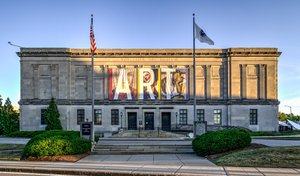 伍斯特艺术博物馆 |
伍斯特 | 2 | Interior of the Studio of Van Dael and his students at the Sorbonne, Replica of 'Interior of the Studio of Van Dael and his students at the Sorbonne' |
 安特卫普皇家美术馆 |
安特卫普 | 2 | Abdiction of Charles V, Rubble of the burned-down Stapelhuis, former St.-Michielsabdij in Antwerpen |
 Rubens House |
安特卫普 | 1 | Tribute from Antwerp to P.P. Rubens |
 比利时皇家美术博物馆 |
布鲁塞尔 | 1 | The Youth of future Pope Sixtus V |
 Museum of Fine Arts Ghent (MSK) |
根特 | 1 | Child's Head |
选择一个年代,探索定义该时代的原创杰作。
Mary Stuart at the Moment When She is Come to be Taken to Her Death (1819)。紧随其后的是 Interior of the Studio of Van Dael and his students at the Sorbonne (1816) 和 Replica of 'Interior of the Studio of Van Dael and his students at the Sorbonne' (1816)。
33岁:Mary Stuart at the Moment When She is Come to be Taken to Her Death创作于1819年,Philippe-Jacques van Bree出生于1786年。
我们的目录收录了 8 件 Philippe-Jacques van Bree 的作品,创作年代从 1816 年至 1835 年。
多见于 伍斯特艺术博物馆 (伍斯特), 安特卫普皇家美术馆 (安特卫普) 及 Rubens House (安特卫普)。上方的博物馆列表列出了所有相关机构。
在 1810s 期间:本页 8 件作品中有 3 件创作于该时期,其中包含 Mary Stuart at the Moment When She is Come to be Taken to Her Death 件作品。
在本页面中,最早的作品创作于 Interior of the Studio of Van Dael and his students at the Sorbonne (1816),最晚的创作于 Tribute from Antwerp to P.P. Rubens (1835)。
Interior of the Studio of Van Dael and his students at the Sorbonne 及 Replica of 'Interior of the Studio of Van Dael and his students at the Sorbonne':伍斯特艺术博物馆, 伍斯特收藏了本页中 2 件作品。
To look at the work of Philippe-Jacques van Bree is to see a man obsessed with structure. Born in Antwerp in 1786, he did not merely paint; he studied the bones of buildings and the weight of history. His training was rigorous and geographically wide, spanning from his beginnings in Antwerp to the studios of Paris and the ancient streets of Rome. In Paris, he worked under Anne-Louis Girodet de Roussy-Trioson, a connection that anchored his technical approach in a specific academic discipline. He did not rely on vague inspiration but on the hard lessons learned while traversing Germany and England.
His output was defined by a heavy focus on architectural subjects and historical scenes. There is a particular gravity in his View of the Interior of the Church of St. Peter at Rome, a work so precise that the Belgian Government purchased it and awarded him a gold medal. This was not art for the sake of decoration; it was an exercise in spatial accuracy. He understood how light interacts with stone and how scale dictates human emotion within a cathedral.
Van Bree’s importance extends beyond the canvas into the very preservation of Belgian art. His appointment as the conservator of the Royal Museums of Fine Arts in Brussels proves he possessed a technical eye capable of judging the work of others. He was a man of many disciplines, functioning as a painter, scholar, and architectural specialist. This multifaceted identity allowed him to navigate both the creative and the institutional worlds with equal authority.
His subject matter often drifted into the realm of the "fancy" or the historical, yet he maintained a disciplined hand. Some of his notable subjects included:
He died in Saint-Josse-ten-Noode in 1871. By then, he had left behind a legacy of institutional stability and a body of work that prioritized the physical reality of the subjects he chose to depict. He was not interested in the ephemeral; he painted what could be measured, documented, and preserved.