莫里茨·内尔 肖像

12 幅最著名的 莫里茨·内尔 作品,每一件都独一无二

更新于 November 2026 · 基于我们的流行度评分排名(每件作品的搜索量、访问量及订单量) · 12 件 莫里茨·内尔 作品收录于我们的目录中

简而言之

The left side hall with the Beethoven frieze by Gustav Klimt during the 14th exhibition of the Vienna Secession (1902) 是 莫里茨·内尔 最受瞩目的画作;原作收藏于 维也纳 的 奥地利国家图书馆。 随后,目光会移向 Gustav Klimt (1905) 和 Gustav Klimt on Lake Attersee (1904)。 在 莫里茨·内尔 的 12 件作品中,这 12 件最为闻名;每一件都是独一无二的原作,并附有创作年份、馆藏机构及其经久不衰的原因。

1859 – 1945, 维也纳 Vienna secession 藏品最多:维也纳博物馆

画廊视角下的 莫里茨·内尔 十大名作

1
The left side hall with the Beethoven frieze by Gustav Klimt during the 14th exhibition of the Vienna Secession (1902) 由 莫里茨·内尔

The left side hall with the Beethoven frieze by Gustav Klimt during the 14th exhibition of the Vienna Secession

1902 · Giclée Print · 奥地利国家图书馆, 维也纳

Moritz Nähr’s photograph offers an extraordinary glimpse into Gustav Klimt’s monumental painting, “The Left Side Hall with the Beethoven Frieze,” a key work from the 14th exhibition of the Vienna Secession in 1902. More than just a documentation of a single artwork, this image is a frozen moment within a pivotal chapter of Viennese art history – a time when artistic rebellion and intellectual exploration converged to reshape European culture.…

2
Gustav Klimt (1905) 由 莫里茨·内尔

Gustav Klimt

1905 · Gelatin Silver Print

This photographic reproduction captures a moment from a painting by Gustav Klimt. The lens belongs to Moritz Nähr, an Austrian photographer who documented the shifting spirit of Vienna. His camera turned toward the intimate, translating the painter's vision into a monochrome study of light and shadow. The image is dated about 1905.

3
Gustav Klimt on Lake Attersee (1904) 由 莫里茨·内尔

Gustav Klimt on Lake Attersee

1904 · Black and White Photography

This black and white photograph presents a profile view of Gustav Klimt. The subject is positioned in the center of the frame, facing toward the left. He wears a dark suit with a visible fabric weave that catches the light. The lighting is soft and diffused, casting subtle shadows across his facial features and the structure of his clothing. Behind him, the background consists of foliage and trees, rendered in…

4
Gustav Mahler (1907) 由 莫里茨·内尔

Gustav Mahler

1907 · Black and White Photography

The photograph presents a medium shot of Gustav Mahler, captured in 1907 by Moritz Nähr. He is positioned from the waist up, standing against an architectural backdrop characterized by ornate molding and a fireplace mantelpiece. Mahler's posture is upright, with his hands placed on his hips, and his gaze is directed toward his right side. The lighting is diffused, creating an even tone across his facial features without producing harsh…

6
Gustav Klimt, holding a cat in his arm (1911) 由 莫里茨·内尔

Gustav Klimt, holding a cat in his arm

1911 · Black and White Photography · 维也纳博物馆, 维也纳

This black and white photograph, captured in 1911, presents a centered composition of an elderly man holding a small animal. The subject is positioned against a building facade that provides a structured, rectangular backdrop to the organic forms of the figure. Soft, diffused lighting defines the contours of the man's face and the heavy folds of his robe, creating subtle shadows across the texture of his skin. The image possesses…

7
Gustav Klimt at the age of 55 in front of his studio at Feldmühlgasse 11 in Vienna (1917) 由 莫里茨·内尔

Gustav Klimt at the age of 55 in front of his studio at Feldmühlgasse 11 in Vienna

1917 · Black and White Photography

The photograph, captured in 1917 by Moritz Nähr, presents a formal portrait of Gustav Klimt. He is positioned in the center of the frame, facing the camera directly. The subject is dressed in a dark, three-piece suit featuring thin pinstripes. His posture is relaxed; he leans against a wall, with his right hand resting near his jacket. The lighting is natural and diffused, casting soft shadows across his facial features,…

8
Ludwig Wittgenstein (1929) 由 莫里茨·内尔

Ludwig Wittgenstein

1929 · Black and White Photography

This black and white portrait photograph by Moritz Nähr features the Austro-British philosopher Ludwig Wittgenstein. Captured in 1929, the image presents a frontal view of the subject. The composition centers on the man's face, which occupies a significant portion of the frame. The subject maintains a serious expression directed toward the lens.

莫里茨·内尔 的名画,第 11 至 12 幅

令 莫里茨·内尔 驻足的创作主题

这些原作中反复出现的四个主题,各有一个最杰出的范例。

收藏有 莫里茨·内尔 原作的博物馆

收藏了本页中大部分画作的 3 家博物馆。

博物馆 城市 莫里茨·内尔 的作品 此列表中的画作
维也纳博物馆, 维也纳维也纳博物馆 维也纳 3 Gustav Klimt, holding a cat in his arm, Gustav Klimt in the garden of his\nstudio, Portrait of Gustav Klimt in profile\nfacing right
奥地利国家图书馆, 维也纳奥地利国家图书馆 维也纳 1 The left side hall with the Beethoven frieze by Gustav Klimt during the 14th exhibition of the Vienna Secession
史密森尼美国艺术博物馆, 华盛顿特区史密森尼美国艺术博物馆 华盛顿特区 1 Gustav Klimt with a cat, photographed by Moriz Nähr in the garden of his studio at Josefstädter Straße 21\n\nFront

跨越数十载的 莫里茨·内尔:每一件皆为独一无二的原作

各年代作品数量

选择一个年代,探索定义该时代的原创杰作。

莫里茨·内尔 的画作:画廊常见问题

莫里茨·内尔 最著名的代表作是什么?揭晓答案

The left side hall with the Beethoven frieze by Gustav Klimt during the 14th exhibition of the Vienna Secession (1902),奥地利国家图书馆, 维也纳。紧随其后的是 Gustav Klimt (1905) 和 Gustav Klimt on Lake Attersee (1904)。

莫里茨·内尔 是在多少岁时创作了 The left side hall with the Beethoven frieze by Gustav Klimt during the 14th exhibition of the Vienna Secession?揭晓答案

43岁:The left side hall with the Beethoven frieze by Gustav Klimt during the 14th exhibition of the Vienna Secession创作于1902年,莫里茨·内尔出生于1859年。

莫里茨·内尔 最著名的十幅画作是哪些?揭晓答案

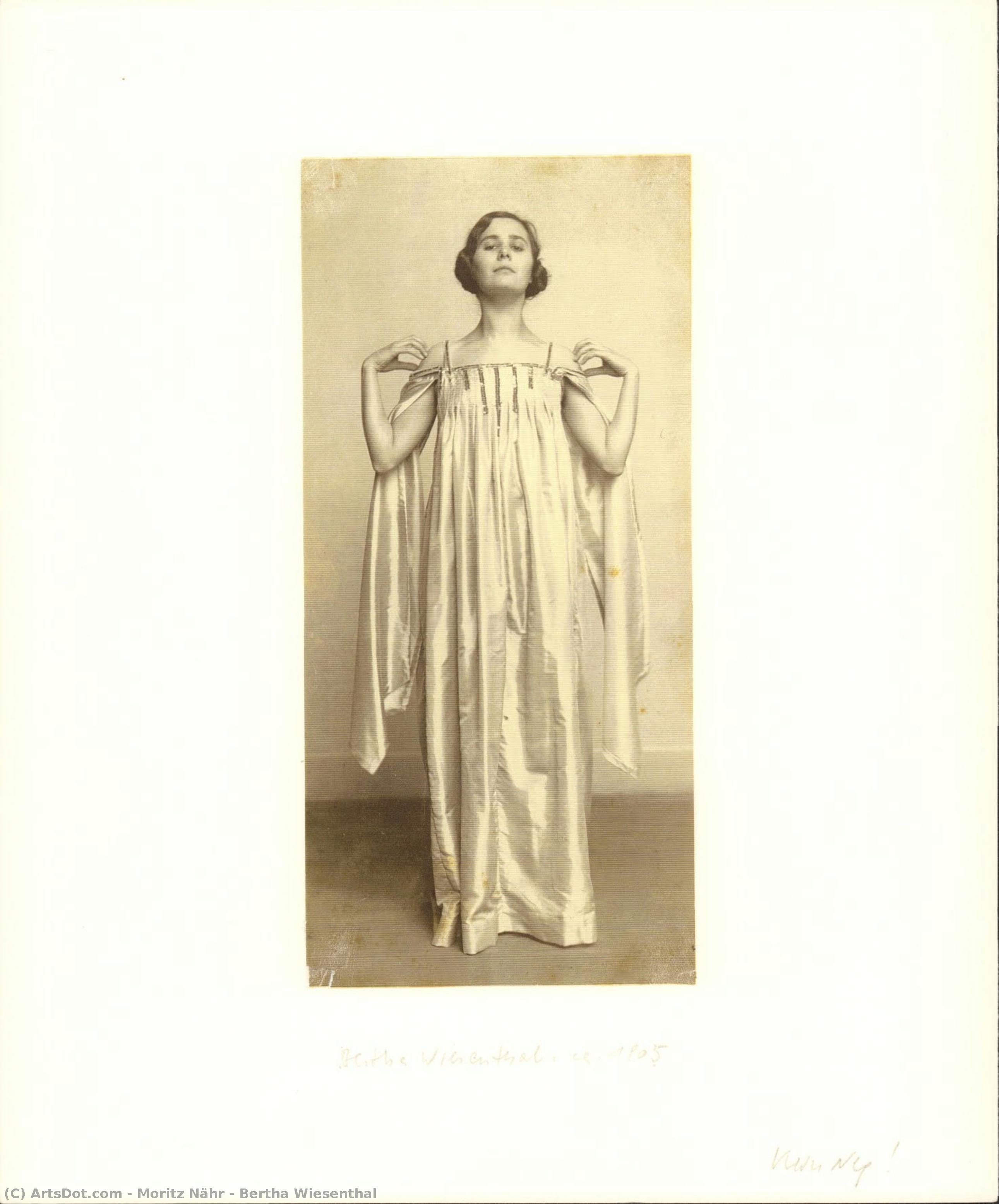
The left side hall with the Beethoven frieze by Gustav Klimt during the 14th exhibition of the Vienna Secession, Gustav Klimt, Gustav Klimt on Lake Attersee, Gustav Mahler, Gustav Klimt with a cat in the garden of his studio at Josefstädter Straße 21, Gustav Klimt, holding a cat in his arm, Gustav Klimt at the age of 55 in front of his studio at Feldmühlgasse 11 in Vienna, Ludwig Wittgenstein, Bertha Wiesenthal 及 Gustav Klimt with a cat, photographed by Moriz Nähr in the garden of his studio at Josefstädter Straße 21\n\nFront。上方排名显示了每件作品的创作年份及馆藏机构。

已知 莫里茨·内尔 有多少件作品?揭晓答案

我们的目录收录了 12 件 莫里茨·内尔 的作品,创作年代从 1902 年至 1929 年。

在哪里可以欣赏到最著名的 莫里茨·内尔 原作?揭晓答案

多见于 维也纳博物馆 (维也纳), 奥地利国家图书馆 (维也纳) 及 史密森尼美国艺术博物馆 (华盛顿特区)。上方的博物馆列表列出了所有相关机构。

莫里茨·内尔 的代表作创作于哪个时期?揭晓答案

在 1910s 期间:本页 12 件作品中有 6 件创作于该时期,其中包含 Gustav Klimt with a cat in the garden of his studio at Josefstädter Straße 21 件作品。

哪幅 莫里茨·内尔 的名作创作年代最早,哪幅最晚?揭晓答案

在本页面中,最早的作品创作于 The left side hall with the Beethoven frieze by Gustav Klimt during the 14th exhibition of the Vienna Secession (1902),最晚的创作于 Ludwig Wittgenstein (1929)。

莫里茨·内尔 偏好哪些题材?揭晓答案

Man (3), Gustav klimt (2) 及 Black and white (2),共计 12 件作品。

莫里茨·内尔 最常使用哪些材料进行创作?揭晓答案

Black and White Photography,共计 6 件(本页共有 12 件作品)。

莫里茨·内尔 的作品属于哪种艺术流派?揭晓答案

根据本页面的原作,Vienna secession

在 维也纳博物馆 可以看到哪些 莫里茨·内尔 的原作?揭晓答案

Gustav Klimt, holding a cat in his arm, Gustav Klimt in the garden of his\nstudio 及 Portrait of Gustav Klimt in profile\nfacing right:维也纳博物馆, 维也纳收藏了本页中 3 件作品。

莫里茨·内尔:艺术家肖像

黄金时代的镜头:莫里茨·内尔的生命与传承

在十九世纪的暮色中,随着学院派传统的僵化结构在现代性的重压下开始瓦解,一种全新的视觉方式从维也纳的心脏地带悄然兴起。在这场视觉革命的中心,伫立着莫里茨·内尔,这位艺术家的相机不仅仅是在记录面孔,更是在捕捉维也纳分离派的灵魂。莫里茨·内尔出生于1859年,父亲是一位维也纳家具商,这赋予了他一种独特的双重视角——既有从父亲约翰·格奥尔格·内尔那里继承的对形式的实践理解与美学优雅,又与波希米亚前卫艺术有着亲密的联系。他的生命与那个时代的文化激荡紧密交织,使他得以进入二十世纪最具影响力的思想家们的精神殿堂。

莫里茨·内尔的艺术之旅始于他青少年时代的共同记忆,特别是在伯恩哈德·斯潘德尔私立学校度过的时光。正是在这里,他与古斯塔夫·克里姆特建立了终生的情谊,这段友谊最终演变成摄影史上最重要的合作之一。当克里姆特通过分离派运动领导这场反抗艺术停滞的斗争时,莫里茨·内尔成为了其非正式的记录者。他的镜头为那个时代宏大且往往带有金箔装饰的画布提供了至关重要的、坦诚的对照,转而以一种剥离修饰的、单色的亲密感,赋予了现代主义偶像们人性化的色彩。

捕捉分离派的精神

莫里茨·内尔的作品超越了传统肖像画的边界,成为了一个智力时代的深刻历史文献。通过对黑白摄影的精湛掌控,他捕捉到了维也纳的杰出人物——从音乐天才古斯塔夫·马勒到哲学家路德维希·维特根斯坦的深邃思想。他操纵光影的能力使他能够超越单纯的形似,触及一种映射出同时代人实验精神的心理真相。在他的手中,相机变成了一种前卫的工具,记录的不仅是人,更是这座转型之城不断变迁的时代精神。

他一些最具感染力的作品,如同通往伟大时刻私密瞬间的窗口:

  • 贝多芬浮雕文献:他对维也纳分离派第十四届展览——特别是展示了克里姆特宏伟浮雕的左侧展厅——那令人屏息的摄影记录,至今仍是建筑与艺术成就的重要档案。
  • 克里姆特的亲密肖像:无论是捕捉画家在阿特湖畔静谧尊严的时刻,还是古斯塔夫·克里姆特抱着猫时那温柔且意想不到的脆弱感,莫里茨·内尔都剥离了公众形象,揭示了神话背后的真实个体。

持久的视觉遗产

莫里茨·内尔的历史意义在于他扮演了连接有形与无形、瞬间与永恒的桥梁。虽然分离派运动的绘画作品往往试图通过金箔和复杂的图案来使主体永恒化,但莫里茨·内尔的摄影捕捉到的却是转瞬即逝、原始且真实的瞬间。他记录了艺术被重新定义的那些空间,确保了分离派展览的氛围永远不会随时间流逝而消逝。他的作品集是那个时代美术的至关重要的伴侣,为理解孕育了现代主义的面孔与环境提供了必要的语境。

尽管他于1945年去世,这标志着一个时代——正如他所记录的那个时代——的终结,但莫里茨·内尔的遗产依然熠熠生辉。他是一位关键人物,其作品让我们得以重温那个由强烈的创造力和智力勇气所定义的维也纳。通过他细致入微的处理和敏锐的眼光,过去的阴影被带入了清晰且持久的焦点,提醒着我们:艺术的真谛往往存在于快门按下的间隙中,那些安静、不加修饰的瞬间里。