
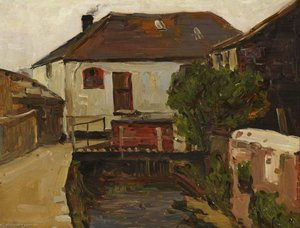

1


更新于 November 2026 · 基于我们的流行度评分排名(每件作品的搜索量、访问量及订单量) · 27 件 Maud Ireland Button 作品收录于我们的目录中
简而言之
在画廊看来,Maud Ireland Button 最著名的作品是 Fountain's Mill, Uxbridge (1914),其原作现收藏于 London 的 Hillingdon Local Studies。 Cottages by the River (1914) 与 A Local Church (1921) 共同构成了那组令人过目不忘的艺术三部曲。 在我们的目录中,Maud Ireland Button 共有 27 件作品,画廊为您精选了以下 27 件最著名的原作,并详细列出了每件作品的创作年份、馆藏机构及其独特之处。
 Rustic Country Home1921 · Hillingdon Local Studies
12
 Townscape Dominated by a Church Tower1921 · Hillingdon Local Studies
13
 Canal Scene1921 · Hillingdon Local Studies
14
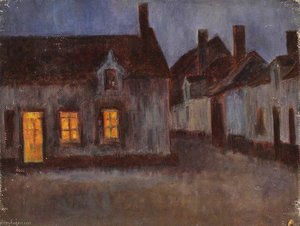 Townscape1921 · Hillingdon Local Studies
15
 A Local Yard1921 · Hillingdon Local Studies
16
 Country House1921 · Hillingdon Local Studies
17
 View over Uxbridge1921 · Hillingdon Local Studies
18
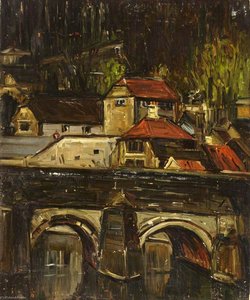 Bridge over a River1921 · Hillingdon Local Studies
19
 An Uxbridge Yard1921 · Hillingdon Local Studies
20
 A Yard1921 · Hillingdon Local Studies
21A Distant View of Harrow on the Hill1921 · Hillingdon Local Studies
22
 River Scene1921 · Hillingdon Local Studies
23
 Bell Yard, Uxbridge1921 · Hillingdon Local Studies
24
 Boat on River1921 · Hillingdon Local Studies
25
 Ram YardHillingdon Local Studies
26
 New Inn Yard, Windsor Street, UxbridgeHillingdon Local Studies
27
 Uxbridge High StreetHillingdon Local Studies
这些原作中反复出现的四个主题,各有一个最杰出的范例。
收藏了本页中大部分画作的 1 家博物馆。
| 博物馆 | 城市 | Maud Ireland Button 的作品 | 此列表中的画作 |
|---|---|---|---|
 Hillingdon Local Studies |
London | 27 | Fountain's Mill, Uxbridge, Cottages by the River, A Local Church |
十载春秋,从 1914 到 1921,对 Maud Ireland Button 而言已足够:画廊将这些岁月逐年呈现,一幅又一幅传世名作接踵而至。
选择年份以查看原作。

更多来自 1921
 #4 Queen's Court, Windsor
 #5 Church Tower
 #6 Landscape
 #7 The Bell Yard, Uxbridge
 #8 Countryside Scene
 #9 A Local Park
 #10 Farmyard
#11 Rustic Country Home
#12 Townscape Dominated by a Church Tower
#13 Canal Scene
#14 Townscape
#15 A Local Yard
#16 Country House
#17 View over Uxbridge
#18 Bridge over a River
#19 An Uxbridge Yard
#20 A Yard
#21 A Distant View of Harrow on the Hill
#22 River Scene
#23 Bell Yard, Uxbridge
#24 Boat on River
Fountain's Mill, Uxbridge (1914),Hillingdon Local Studies, London。紧随其后的是 Cottages by the River (1914) 和 A Local Church (1921)。
37岁:Fountain's Mill, Uxbridge创作于1914年,Maud Ireland Button出生于1877年。
Fountain's Mill, Uxbridge, Cottages by the River, A Local Church, Queen's Court, Windsor, Church Tower, Landscape, The Bell Yard, Uxbridge, Countryside Scene, A Local Park 及 Farmyard。上方排名显示了每件作品的创作年份及馆藏机构。
我们的目录收录了 27 件 Maud Ireland Button 的作品,创作年代从 1914 年至 1921 年。
多见于 Hillingdon Local Studies (London)。上方的博物馆列表列出了所有相关机构。
在 1921 期间:本页 27 件作品中有 22 件创作于该时期,其中包含 A Local Church 件作品。
在本页面中,最早的作品创作于 Fountain's Mill, Uxbridge (1914),最晚的创作于 A Local Church (1921)。
Tranquility (3) 及 Cottage scene (2),共计 27 件作品。
Fountain's Mill, Uxbridge, Cottages by the River 及 A Local Church:Hillingdon Local Studies, London收藏了本页中 27 件作品。
Maud Ireland Button (1877-1965) remains a quietly compelling figure in the history of British watercolor painting, largely due to her deeply personal and evocative depictions of rural Irish life. Born in Uxbridge, England, into a family with strong ties to the West Country, Button’s artistic journey was shaped by a profound connection to the land and its people – a connection that resonated powerfully through her delicate brushstrokes and serene color palettes.
Her early life offered little indication of an artistic career. She was the daughter of Alfred Button, a solicitor, and Mary Jane Stransom, and possessed a twin sister, Anne Louisa. However, it’s believed she received informal training from her artist sister, Anne, who later became known as Maud Ireland Button. This familial influence undoubtedly provided a foundation for her own artistic explorations, though Button largely developed her distinctive style independently.
Button's work is immediately recognizable by its intimate scale – often small, almost sketch-like paintings that capture fleeting moments and subtle details. She eschewed grand landscapes or dramatic scenes in favor of quiet domestic interiors, glimpses of farm life, and portraits of local villagers. Her subjects were not celebrated heroes but ordinary people engaged in everyday activities: a woman mending nets, children playing in the fields, a farmer tending his livestock – all rendered with remarkable sensitivity and empathy.
Her technique is characterized by loose, expressive brushwork, often applied in thin washes of color. She employed a muted palette dominated by soft blues, greens, and browns, creating an atmosphere of tranquility and nostalgia. Influenced by the Impressionists and particularly by artists like Camille Pissarro, Button sought to capture not just the appearance of her subjects but also their essence – their mood, their character, and their connection to the surrounding environment.
Several paintings stand out as exemplifying Button’s unique vision. “Boat on River” (1921), a delicate depiction of a small boat gliding along a tranquil waterway, is perhaps her most iconic work. It embodies her signature style – the subtle interplay of light and shadow, the intimate scale, and the sense of quiet contemplation. Similarly, "Bell Yard, Uxbridge" (1921) offers a charming snapshot of village life, capturing the warmth and simplicity of everyday routines.
Throughout her career, Button consistently explored themes of rural identity, community, and the passage of time. Her paintings are not merely representations of landscapes or people; they are imbued with a deep sense of place and a profound understanding of human experience. She was particularly interested in capturing the changing seasons and the rhythms of agricultural life.
Button’s artistic career spanned several decades, during which she steadily developed her distinctive style and built a loyal following among collectors and art enthusiasts. Despite facing financial challenges and limited recognition during much of her career, she remained committed to her craft, producing a substantial body of work that continues to resonate with viewers today.
She was largely self-taught, relying on observation and personal experience rather than formal training. Her artistic practice was deeply intertwined with her life in Uxbridge and the surrounding countryside, providing her with an endless source of inspiration. Her dedication to capturing the beauty and dignity of ordinary people cemented her place as a significant, if often overlooked, figure in British watercolor painting.
Maud Ireland Button’s legacy lies not in grand exhibitions or critical acclaim but in the quiet power of her paintings. Her work offers a poignant glimpse into a disappearing world – a world of rural simplicity, close-knit communities, and enduring traditions. Her sensitive portrayals of Irish life have earned her a place among the most beloved watercolorists of the 20th century, and her paintings continue to evoke a sense of nostalgia and appreciation for the beauty of the natural world.


