

1


更新于 November 2026 · 基于我们的流行度评分排名(每件作品的搜索量、访问量及订单量) · 2 件 Mario Gambetta 作品收录于我们的目录中
简而言之
Large plate with Saint George (1923) 是 Mario Gambetta 最受瞩目的画作;原作收藏于 米兰 的 斯福尔扎城堡。 在 Mario Gambetta 的 2 件作品中,这 2 件最为闻名;每一件都是独一无二的原作,并附有创作年份、馆藏机构及其经久不衰的原因。
收藏了本页中大部分画作的 1 家博物馆。
| 博物馆 | 城市 | Mario Gambetta 的作品 | 此列表中的画作 |
|---|---|---|---|
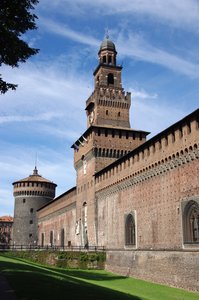 斯福尔扎城堡 |
米兰 | 2 | Large plate with Saint George, Large plate with Saint Anthony of Padua |
此处展示的所有 Mario Gambetta 原作均出自 1923 年;作品按知名度由高到低排列。
选择年份以查看原作。
Large plate with Saint George (1923)
28岁:Large plate with Saint George创作于1923年,Mario Gambetta出生于1895年。
我们的目录中收录了 2 件 Mario Gambetta 的作品。
多见于 斯福尔扎城堡 (米兰)。上方的博物馆列表列出了所有相关机构。
在 1923 期间:本页 2 件作品中有 2 件创作于该时期,其中包含 Large plate with Saint George 件作品。
Large plate with Saint George 及 Large plate with Saint Anthony of Padua:斯福尔扎城堡, 米兰收藏了本页中 2 件作品。
Mario Gambetta stands as a testament to the profound versatility of the Italian spirit, a creator whose artistic journey spanned the delicate nuances of painting, the intricate precision of engraving, and the tactile innovation of ceramics. Born in Roma to Ligurian parents, his early years were shaped by the grandeur of the capital, yet his soul remained tether of the coast. Though he pursued studies in law in Torino, his true calling was found in the brush and the chisel. As a largely self-taught artist, Gambetta possessed a natural predisposition for the figurative arts, developing an eye for detail that would define much of his early output. His brief apprenticeship in Rome under the fresco painter Domenico Bruschi provided a foundational touch of classical discipline, yet it was his eventual return to the Ligurian landscape that truly ignited his creative fire.
The trajectory of his life took a definitive turn following the First World War, leading him to settle permanently in Albissola Marina. It was here, amidst the salt air and the historic ceramic traditions of the region, that Gambetta truly flourished. His appointment as director of the Alba Docilia factory marked the beginning of an era of intense technical exploration. He did not merely paint; he sought to transform the very medium of his expression. In the 1920s, his painterly style began to evolve, moving toward a more vivid use of color and a robust, firm composition of volumes. This period of experimentation saw him bridging the gap between fine art and decorative mastery, as he applied his vision to architectural ceramics for significant structures like the Palazzo delle Poste in Savona.
Gambetta’s artistic repertoire was remarkably diverse, allowing him to navigate between different textures and disciplines with ease. In his paintings, one finds a deep-seated inspiration drawn from the rugged beauty of the Ligurian landscape and the intimate psychological depth of portraiture. Whether working in the rich, layered medium of oil or the more delicate application of tempera, he demonstrated an exceptional command over light and form. His later years saw him delving into the meticulous world of printmaking, specifically mastering metal engraving and the atmospheric effects of aquatint, which allowed him to explore tonal subtleties that painting alone could not capture.
The breadth of his creative output can be summarized through his various artistic pursuits:
Despite his immense talent and participation in prestigious exhibitions, Gambetta remains an artist of profound regional significance whose legacy is deeply intertwined with the cultural identity of Albisola. He was a man who found beauty in the intersection of tradition and innovation, leaving behind a body of work that celebrates the enduring elegance of the Italian coast.
