John Wilson 肖像

20 幅最著名的 John Wilson 作品,每一件都独一无二

更新于 November 2026 · 基于我们的流行度评分排名(每件作品的搜索量、访问量及订单量) · 20 件 John Wilson 作品收录于我们的目录中

简而言之

Port Scene (1855) 是John Wilson最受瞩目的画作。 随后,目光会移向 Fair on the Town Moor, Newcastle (1810) 和 Shipping off the Coast。 在 John Wilson 的 20 件作品中,这 20 件最为闻名;每一件都是独一无二的原作,并附有创作年份、馆藏机构及其经久不衰的原因。

1774 – 1855 Romanticism 藏品最多:伍尔弗汉普顿美术馆

画廊视角下的 John Wilson 十大名作

John Wilson 的名画,第 11 至 20 幅

收藏有 John Wilson 原作的博物馆

收藏了本页中大部分画作的 8 家博物馆。

博物馆 城市 John Wilson 的作品 此列表中的画作
伍尔弗汉普顿美术馆, 伍尔弗汉普顿伍尔弗汉普顿美术馆 伍尔弗汉普顿 3 Wreck off Folkestone, Landscape with Figures, Approaching Storm, Entrance to the Firth of Forth
莱恩艺术馆, 泰恩河畔纽卡斯尔莱恩艺术馆 泰恩河畔纽卡斯尔 2 Fair on the Town Moor, Newcastle, St Nicholas Church, Newcastle upon Tyne
苏格兰国家美术馆, 爱丁堡苏格兰国家美术馆 爱丁堡 2 A Coastal Scene Between Nieuport and Ostend, A Ferry Boat on the Maas
National Trust, 布里斯托National Trust 布里斯托 1 Shipping off the Coast
Folkestone Library – History Resource Centre, FolkestoneFolkestone Library – History Resource Centre Folkestone 1 After the Storm
Fishing Heritage Centre, 格林斯比Fishing Heritage Centre 格林斯比 1 Small Ships and Boats off the Coast
国家海事博物馆, 伦敦国家海事博物馆 伦敦 1 Paddle Steamer ‘Dumbarton Castle’ in the Clyde off Dumbarton Rock
利兹美术馆, 利兹利兹美术馆 利兹 1 Coast Scene with Fishing Boats

跨越数十载的 John Wilson:每一件皆为独一无二的原作

各年代作品数量

选择一个年代,探索定义该时代的原创杰作。

John Wilson 的画作:画廊常见问题

John Wilson 最著名的代表作是什么?揭晓答案

Port Scene (1855)。紧随其后的是 Fair on the Town Moor, Newcastle (1810) 和 Shipping off the Coast。

John Wilson 是在多少岁时创作了 Port Scene?揭晓答案

81岁:Port Scene创作于1855年,John Wilson出生于1774年。

John Wilson 最著名的十幅画作是哪些?揭晓答案

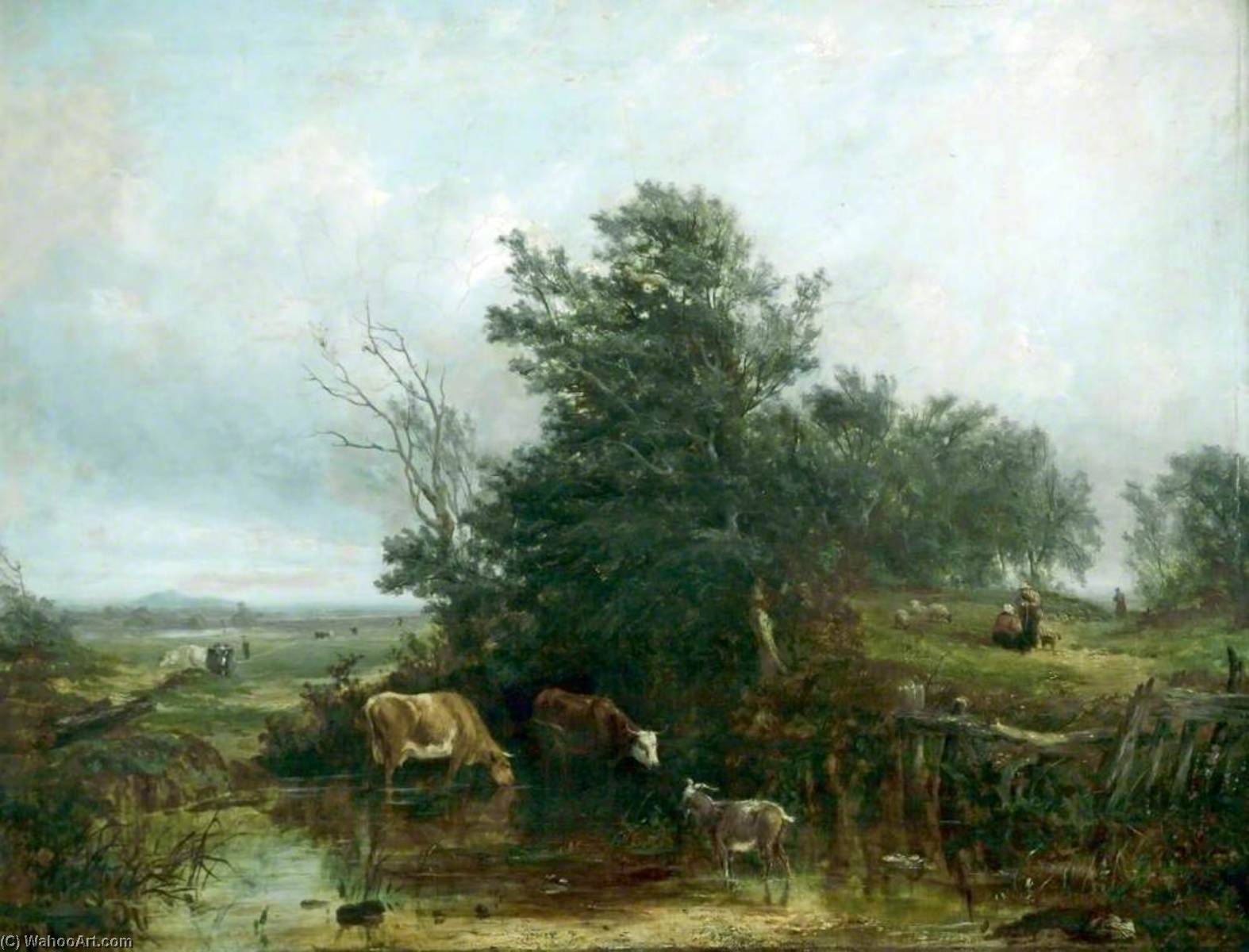
Port Scene, Fair on the Town Moor, Newcastle, Shipping off the Coast, After the Storm, A Coastal Scene Between Nieuport and Ostend, A Ferry Boat on the Maas, Small Ships and Boats off the Coast, Sea Piece, On the Scheldt 及 A Shady Stream。上方排名显示了每件作品的创作年份及馆藏机构。

已知 John Wilson 有多少件作品?揭晓答案

我们的目录收录了 20 件 John Wilson 的作品,创作年代从 1800 年至 1855 年。

在哪里可以欣赏到最著名的 John Wilson 原作?揭晓答案

多见于 伍尔弗汉普顿美术馆 (伍尔弗汉普顿), 莱恩艺术馆 (泰恩河畔纽卡斯尔) 及 苏格兰国家美术馆 (爱丁堡)。上方的博物馆列表列出了所有相关机构。

John Wilson 的代表作创作于哪个时期?揭晓答案

在 1810s 期间:本页 20 件作品中有 2 件创作于该时期,其中包含 Fair on the Town Moor, Newcastle 件作品。

哪幅 John Wilson 的名作创作年代最早,哪幅最晚?揭晓答案

在本页面中,最早的作品创作于 After the Storm (1800),最晚的创作于 Port Scene (1855)。

John Wilson 的作品属于哪种艺术流派?揭晓答案

根据本页面的原作,Romanticism

在 伍尔弗汉普顿美术馆 可以看到哪些 John Wilson 的原作?揭晓答案

Wreck off Folkestone, Landscape with Figures 及 Approaching Storm, Entrance to the Firth of Forth:伍尔弗汉普顿美术馆, 伍尔弗汉普顿收藏了本页中 3 件作品。

John Wilson:艺术家肖像

Early Life and Artistic Beginnings

John H. “Old Jock” Wilson, born in Ayr, Scotland, in 1774, emerged from a background steeped in the practicalities of maritime life—his father was a merchant sea captain. This early connection to the ocean would profoundly shape his artistic trajectory, imbuing his later works with an authenticity and emotional resonance rarely found in purely academic landscapes. Initially destined for a trade, Wilson’s path took an unexpected turn when he apprenticed as a house painter in Edinburgh at the young age of thirteen. However, it was under the tutelage of Alexander Nasmyth, a prominent Scottish landscape artist, that his true vocation began to blossom. For two years, Wilson honed his skills in Montrose, painting evocative scenes and sharing his burgeoning talent by teaching drawing—a testament to his natural inclination for both creation and instruction.

London and the Rise to Prominence

The allure of London beckoned in 1798, a city brimming with artistic opportunity. Wilson initially found work as a scenery painter for Astley’s Amphitheatre and other theatres, a demanding role that nevertheless sharpened his observational skills and mastery of atmospheric perspective. This period proved crucial in developing his ability to capture dramatic light and movement—qualities that would become hallmarks of his mature style. From 1807 onwards, Wilson consistently exhibited at the Royal Academy, showcasing seventy-six paintings over the course of four decades. He also maintained a prolific presence at the British Institution between 1813 and 1854 with an impressive one hundred and forty-four exhibits. His dedication to exhibiting established him within the London art world, garnering recognition for his increasingly sophisticated depictions of coastal scenes and landscapes.

A Master of Marine Painting

Wilson’s artistic focus centered on the raw beauty and untamed power of the sea. He wasn't merely documenting coastlines; he was capturing a feeling—the chill spray of waves, the brooding presence of storm clouds, the delicate interplay of light on water. His paintings often featured small ships battling choppy seas, evoking both the vulnerability and resilience of human endeavor against the forces of nature. This realism, combined with a romantic sensibility, resonated deeply with audiences. In 1825, he received a prestigious premium from the British Institution for *The Battle of Trafalgar*, a work that was subsequently acquired by Lord Northwick—a clear indication of his growing reputation and artistic merit. The painting’s eventual allocation to East Ayrshire Council in 2010 ensured its continued public accessibility, allowing future generations to appreciate Wilson's skill.

Founding the Society of British Artists

Wilson wasn’t content simply to exhibit within established institutions; he actively sought to create new avenues for artistic expression. He was a founding member of the Society of British Artists in 1823, an organization dedicated to promoting the work of British artists independent of the Royal Academy's often-conservative standards. His commitment to this society culminated in his presidency in 1827—a testament to his leadership and influence within the artistic community. Simultaneously, he was elected as an honorary member of the Scottish Academy, further solidifying his position as a respected figure on both sides of the border.

A Legacy Continued Through Generations

John Wilson’s impact extended beyond his own prolific output; he fostered a family tradition of artistic excellence. His son, John James Wilson (known as “Young Jock”), followed in his father's footsteps and became a painter himself. Even further down the line, his grandson, William John Wilson, continued the lineage as a theatre scene painter and manager—a direct continuation of the profession that had launched his grandfather’s career. This multi-generational dedication speaks volumes about Wilson’s enduring influence and the profound impact he had on those around him. His works continue to captivate viewers with their evocative power, offering a glimpse into the beauty and drama of 19th-century coastal life—a legacy that endures through time.