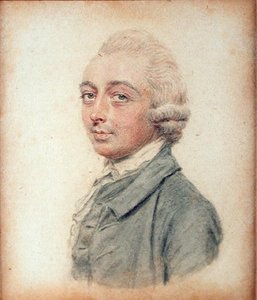
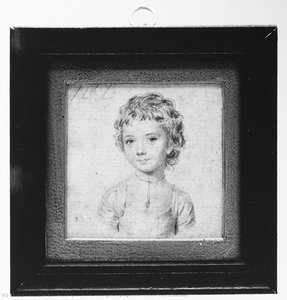
John Smart 肖像

43 幅最著名的 John Smart 作品,画廊精选

更新于 November 2026 · 基于我们的流行度评分排名(每件作品的搜索量、访问量及订单量) · 40 件 John Smart 作品收录于我们的目录中

简而言之

在 John Smart 留下的所有原作中,最著名的当属收藏于 纽约 大都会艺术博物馆 的《Sir William Hood (1766)》。 紧随其后的是 Baron Gustaf Adam von Nolcken (1775) 和 Portrait of a Gentleman (1766)。 我们的目录收录了 John Smart 的 40 件作品;画廊完整保留了 43 件享誉世界的杰作,并为每一件作品详细标注了创作日期、馆藏机构及其背后的故事。

1741 – 1811, Norfolk Neoclassicism 藏品最多:耶鲁英国艺术中心

John Smart 的十大名画:画廊精选

1
Sir William Hood (1766) 由 John Smart

Sir William Hood

1766 · Ivory · 大都会艺术博物馆, 纽约

The portrait titled Sir William Hood is a work by the British artist John Smart. Born in Norfolk, Smart captured this sitter in a moment of quiet, aristocratic poise. The image presents a man of status, his presence defined by the sharp contrast of a white cravat against a deep crimson waistcoat. It is a study of a single life held within a small, oval frame.

2
Baron Gustaf Adam von Nolcken (1775) 由 John Smart

Baron Gustaf Adam von Nolcken

1775 · Watercolor · 国家博物馆, 斯德哥尔摩

To hold this miniature is to hold a fragment of the Georgian era, a quiet encounter with Baron Gustaf Adam von Nolcken. Painted in 1775, the portrait captures the Swedish diplomat in a moment of composed dignity. He is presented in a three-quarter view, his gaze steady and his expression carrying the weight of his station. The subject is framed within an oval gold-toned locket, an intimate scale that demands…

3
Portrait of a Gentleman (1766) 由 John Smart

Portrait of a Gentleman

1766 · Watercolor · 耶鲁英国艺术中心, 纽黑文

is a portrait miniature executed by the British artist John Smart. Dating to 1766, the work captures a single gentleman from the mid-18th century. It represents a period of significant technical development in the art of the miniature, focusing on the intimate scale of the individual subject.

4
Portrait of an Elderly Lady (1767) 由 John Smart

Portrait of an Elderly Lady

1767 · Gouache · 耶鲁英国艺术中心, 纽黑文

In the Portrait of an Elderly Lady by John Smart, the subject is captured in a centered, bust-length view within a delicate oval format. The perspective is a direct, eye-level gaze that invites a sense of closeness. She sits against a neutral, olive-toned background, a quiet space that allows her presence to remain the singular focus. Her expression is serene and slightly pleasant, carrying a weight of quiet wisdom through…

5
Captain Marriott (1777) 由 John Smart

Captain Marriott

1777 · Watercolor · 耶鲁英国艺术中心, 纽黑文

This 1777 portrait miniature, titled Captain Marriott, presents an intimate oval-shaped bust-length depiction of a young man in profile. Facing left, the subject is rendered with a calm and dignified expression that conveys a sense of quiet nobility or military poise. The composition is characterized by a vibrant, saturated red coat that stands in sharp contrast to the crisp white of his cravat and powdered hair. A soft, neutral greyish-brown…

6
Portrait of a Gentleman (1773) 由 John Smart

Portrait of a Gentleman

1773 · Watercolor · 耶鲁英国艺术中心, 纽黑文

To hold this miniature is to encounter a moment of poised dignity from 1773. The subject, a young man captured in a three-quarter view, gazes out with a calm expression that suggests a life of composure. He is framed within an oval composition, a choice that focuses the viewer entirely on the subtle nuances of his features and the texture of his attire. There is an immediate sense of presence…

7
Robert, first Baron Clive of Plassey (1776) 由 John Smart

Robert, first Baron Clive of Plassey

1776 · Gouache · 耶鲁英国艺术中心, 纽黑文

This portrait of Robert, first Baron Clive of Plassey, was executed by the artist John Smart in 1776. The work presents the subject as a middle-aged man positioned in a bust-length view. He is depicted wearing military attire, which includes a red jacket with deep blue lapels. Gold embroidery adorns the edges of the lapels. A white cravat and a powdered wig frame the face of the subject.

John Smart 系列持续更新,第 11 至 43 项

令 John Smart 驻足的创作主题

这些原作中反复出现的四个主题,各有一个最杰出的范例。

收藏有 John Smart 原作的博物馆

收藏了本页中大部分画作的 4 家博物馆。

博物馆 城市 John Smart 的作品 此列表中的画作
耶鲁英国艺术中心, 纽黑文耶鲁英国艺术中心 纽黑文 10 Portrait of a Gentleman, Portrait of an Elderly Lady, Captain Marriott
国家博物馆, 斯德哥尔摩国家博物馆 斯德哥尔摩 8 Baron Gustaf Adam von Nolcken, John Smart Junior, the artists son, Lady Deering
克利夫兰艺术博物馆, 克利夫兰克利夫兰艺术博物馆 克利夫兰 5 Portrait of Constantine Phipps, Portrait of Mrs. Nathaniel Bailey, née Lamack, Portrait of an Officer
大都会艺术博物馆, 纽约大都会艺术博物馆 纽约 4 Sir William Hood, Mrs. Comyns, Mrs. Caroline Deas

John Smart 的年代演变:定义每个时代的原创之作

各年代作品数量

选择一个年代,探索定义该时代的原创杰作。

藏家关于 John Smart 作品的常见问题

John Smart 最著名的作品是哪一件?揭晓答案

Sir William Hood (1766),大都会艺术博物馆, 纽约。紧随其后的是 Baron Gustaf Adam von Nolcken (1775) 和 Portrait of a Gentleman (1766)。

创作 Sir William Hood 时,John Smart 是多少岁?揭晓答案

25岁:Sir William Hood创作于1766年,John Smart出生于1741年。

John Smart 最著名的十幅画作是什么?揭晓答案

Sir William Hood, Baron Gustaf Adam von Nolcken, Portrait of a Gentleman, Portrait of an Elderly Lady, Captain Marriott, Portrait of a Gentleman, Robert, first Baron Clive of Plassey, John Smart Junior, the artists son, Portrait of Constantine Phipps 及 Portrait of a Lady。上方排名显示了每件作品的创作年份及馆藏机构。

John Smart 留下了多少幅画作?揭晓答案

我们的目录收录了 40 件 John Smart 的作品,创作年代从 1760 年至 1799 年。

John Smart 的杰作收藏在哪些博物馆中?揭晓答案

多见于 耶鲁英国艺术中心 (纽黑文), 国家博物馆 (斯德哥尔摩) 及 克利夫兰艺术博物馆 (克利夫兰)。上方的博物馆列表列出了所有相关机构。

John Smart 在哪些年份创作了最著名的作品?揭晓答案

在 1770s 期间:本页 43 件作品中有 9 件创作于该时期,其中包含 Baron Gustaf Adam von Nolcken 件作品。

John Smart 的首件与末件名作原件分别是哪几件?揭晓答案

在本页面中,最早的作品创作于 Mrs. Comyns (1760),最晚的创作于 Portrait of Lieutenant General Daniel Burr (1799)。

John Smart 最常创作的主题是什么?揭晓答案

Man (6), White cravat (4) 及 Red coat (3),共计 43 件作品。

John Smart 最常用的技法是什么?揭晓答案

Watercolor,共计 4 件(本页共有 43 件作品)。

John Smart 属于哪种艺术流派?揭晓答案

根据本页面的原作,Neoclassicism

哪些 John Smart 的作品在 耶鲁英国艺术中心 展出?揭晓答案

Portrait of a Gentleman, Portrait of an Elderly Lady 及 Captain Marriott:耶鲁英国艺术中心, 纽黑文收藏了本页中 10 件作品。

John Smart:生平与作品

A Legacy in Miniature

In the delicate, luminous world of eighteenth-century British portraiture, few names evoke the same sense of intimate precision as John Smart. A master of the miniature, Smart possessed the rare ability to compress the grandeur of the Georgian era into tiny, ivory canvases that felt as vast and profound as the souls they depicted. While his physical works were small enough to be held in the palm of a hand, the impact of his artistry was monumental, bridging the gap between the formal rigidity of classical portraiture and the burgeoning emotional depth of the Romantic movement.

Born in Norfolk, United Kingdom, Smart’s early life remains somewhat shrouded in the soft mists of history, yet the traces of his development reveal an artist deeply connected to the pulse of English art. His talent was evident from a young age; in 1755, he was recorded as a runner-up in a drawing competition for under-fourteens held by the Society for the Encouragement of Arts, Manufactures and Commerce. This early recognition led him to London, where he attended the drawing school of William Shipley alongside other notable contemporaries like Richard Cosway.

Technical Mastery and the Luminous Glow

To gaze upon a true John Smart miniature is to witness a masterclass in light and texture. His technique was nothing short of alchemy, often employing the grisaille method—a sophisticated process where a monochrome underpainting establishes the foundational shadows and structural tones. Upon this skeletal framework, he applied incredibly thin, translucent glazes of color. This layering allowed light to pass through the pigment and reflect off the white ivory base, creating an ethereal, inner glow that seemed to emanate from within the subject itself.

Unlike some of his contemporaries, such as Cosway, whose work often leaned toward a more flamboyant style, Smart’s approach was characterized by a quiet, grey-toned palette and subtle flesh tints. He possessed a profound knowledge of anatomy, ensuring that his portraits were drawn with greater anatomical accuracy than almost any other miniature painter of his era. His ability to use fine white lines over loose brushstrokes to suggest individual hairs or the delicate stippling of a face provided a degree of warmth and depth that was truly unique.

A Journey Through Art and Empire

Smart’s career was marked by both professional leadership and geographical exploration. He exhibited at the Society of Artists in London from 1762 onwards, eventually ascending to the position of president in 1778. His reach extended far beyond the borders of England; in 1788, he traveled to India, where he was based in Madras. During this period, he obtained numerous commissions, creating works that captured the essence of his subjects even while far from his London roots.

The historical significance of his work is preserved through remarkable collections, such as the Starr collection at the Nelson-Atkins Museum of Art, which includes a signed and dated miniature for nearly every year of his career. This chronological record allows scholars to witness the full progression of his style and the changing fashions of the period. Through his meticulous dedication to the art of the miniature, John Smart left behind a window into human truth, capturing the quiet, psychological nuances of the Georgian age.