John Evan Hodgson: A Painter of Worlds
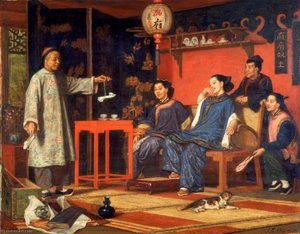
John Evan Hodgson (1831-1895) wasn’t merely a painter; he was an explorer of human experience, meticulously capturing the nuances of domestic life, historical drama, and the exotic allure of North Africa. Born in Camberwell, London, into a family steeped in mercantile success – his father a prominent figure in Newcastle’s trade – Hodgson initially seemed destined for a career in commerce. However, a youthful fascination with the Old Masters at St. Petersburg’s Hermitage Museum ignited a passion for art that irrevocably altered his course. This early exposure to Renaissance and Baroque masterpieces instilled within him a desire to translate visual narratives onto canvas, a pursuit he wholeheartedly embraced over the expectations of his family.
Hodgson's artistic journey began formally at the Royal Academy Schools in 1853. His initial works reflected a keen interest in contemporary society, portraying scenes of everyday life with a remarkable attention to detail and a subtle realism. Yet, it was his foray into historical genre painting that truly established his reputation. Influenced by Ruskin’s seminal work, *Modern Painters*, Hodgson sought to depict not just events but the emotions and social contexts surrounding them. This shift is powerfully illustrated in “Sir Thomas More and his Daughters in Holbein's Studio” (1861), a meticulously rendered tableau that captures both the solemnity of historical figures and the warmth of familial bonds. His membership within the St. John’s Wood Clique, a group of artists known for their shared interest in recreating scenes from the past, further solidified his position within the artistic landscape of Victorian England.
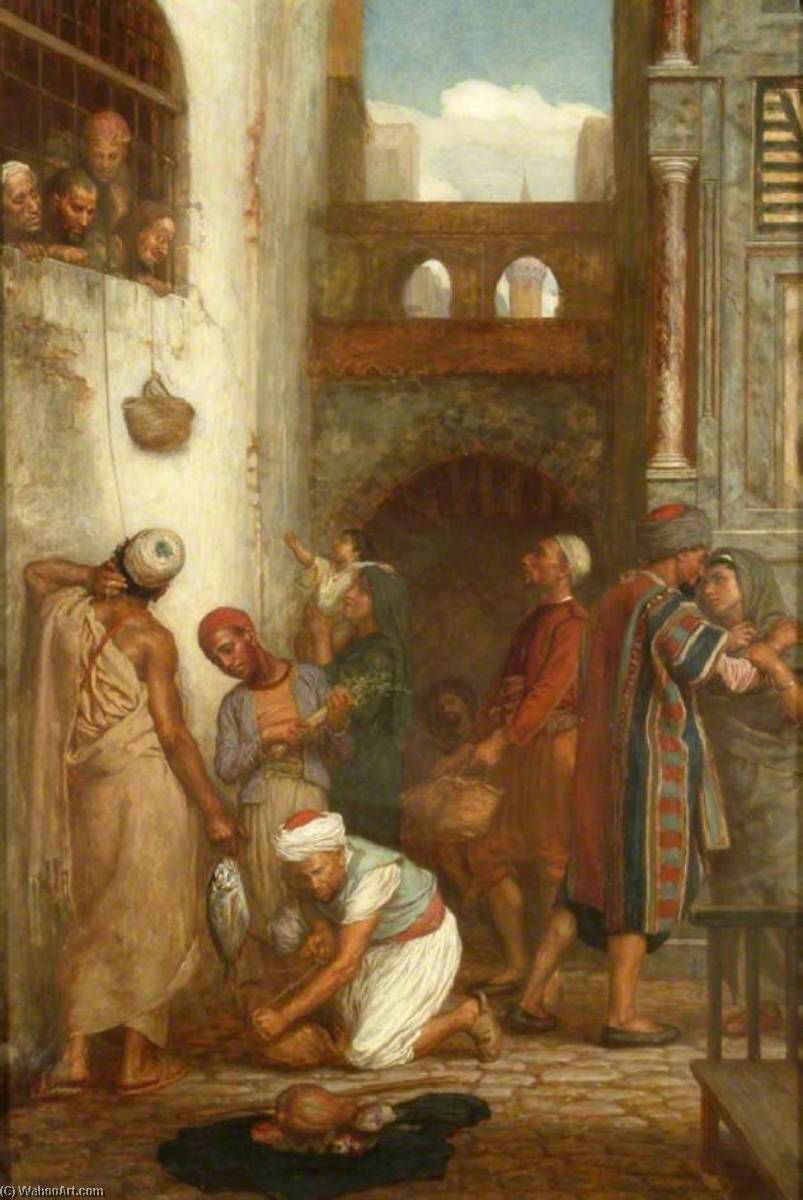
A pivotal moment in Hodgson's career arrived with his extended travels to North Africa in 1868. This journey proved transformative, exposing him to a vibrant and often misunderstood culture. He abandoned the familiar landscapes of England for the bustling souks of Morocco, the sun-drenched plains of Algeria, and the ancient cities of Tunis. These experiences profoundly impacted his artistic vision, leading him to create a series of evocative paintings that captured the essence of North African life – “An Arab Story-teller,” “The Snake Charmer,” and “A Tunisian Bird-seller” are prime examples. These works moved beyond mere documentation; they sought to convey the spirit and character of the people he encountered, imbued with a sense of both wonder and respect. The shift from historical narratives to these richly detailed depictions of everyday life marked a significant evolution in his artistic style.
The St. John’s Wood Circle and Artistic Influences
Hodgson's artistic development was inextricably linked to the vibrant community he found within the St. John’s Wood Clique. This group, comprised primarily of artists like Philip Calderon, William Holman Hunt, and Benjamin Haywood, fostered a spirit of experimentation and mutual critique. They shared a fascination with historical subjects, but each brought their own unique perspectives and techniques to the table. The clique's emphasis on meticulous detail, dramatic lighting, and evocative storytelling profoundly influenced Hodgson’s approach to painting. He wasn’t simply copying historical accounts; he was striving to capture the *feeling* of those moments, imbuing his canvases with a sense of immediacy and emotional resonance.
Ruskin's *Modern Painters*, published in 1847, served as a crucial intellectual catalyst for Hodgson. Ruskin’s critique of academic art – its emphasis on technical skill over expressive content – encouraged artists to prioritize emotion and narrative. Hodgson embraced this challenge, seeking to create paintings that not only depicted historical events but also conveyed the psychological states of their subjects. The influence of the Pre-Raphaelites, particularly in their use of rich color palettes and detailed rendering, is also evident in his work, particularly in his depictions of figures like Queen Elizabeth I.
Technique and Style: A Master of Detail
Hodgson’s paintings are characterized by an extraordinary level of detail and a masterful command of technique. He was known for his meticulous observation, painstakingly rendering every texture, fold of fabric, and expression on the faces of his subjects. His use of oil paint allowed him to achieve remarkable luminosity and depth, creating a sense of realism that captivated viewers. A particularly notable aspect of his style is his innovative approach to lighting – often employing dramatic contrasts between light and shadow to heighten the emotional impact of his scenes.
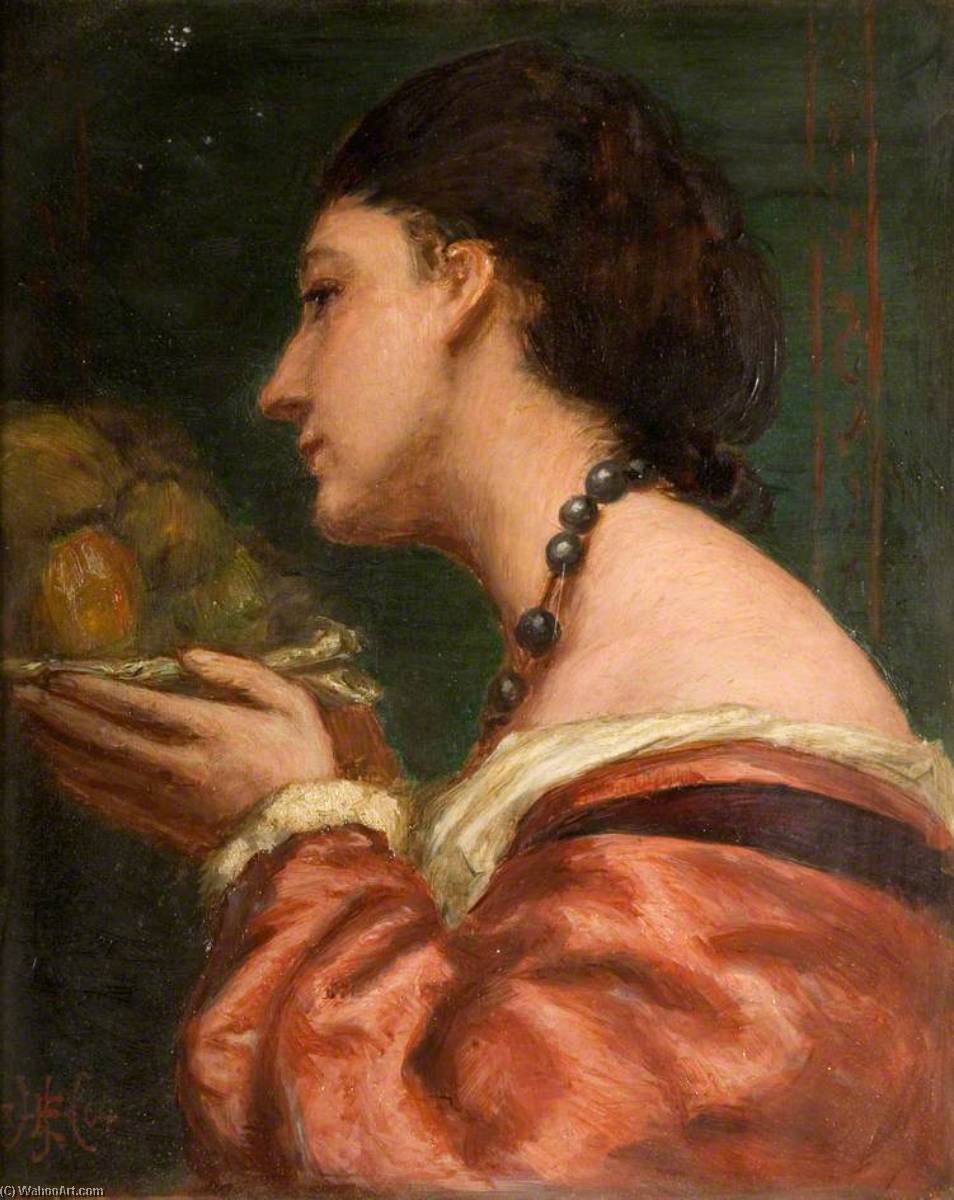
His portraits, in particular, demonstrate a keen understanding of human psychology. He didn’t simply record likenesses; he sought to capture the inner lives of his subjects, conveying their personalities and emotions through subtle gestures and expressions. The photographs taken by Ralph Winwood Robinson during his time at the Royal Academy further highlight this attention to detail, capturing Hodgson's distinctive appearance and the meticulous preparation that went into each painting.
Legacy and Historical Significance
Despite not achieving widespread popular acclaim during his lifetime, John Evan Hodgson’s work has since been recognized for its artistic merit and historical significance. His paintings offer a valuable glimpse into Victorian society, capturing both the grandeur of aristocratic life and the everyday realities of ordinary people. His depictions of North Africa, in particular, played a crucial role in shaping Western perceptions of this often-misunderstood region, presenting a nuanced and sympathetic portrayal of its culture and inhabitants.
Hodgson’s legacy extends beyond his individual paintings. He represents a significant chapter in the history of British art, demonstrating the enduring influence of the Old Masters and the evolving role of the artist as a social commentator. His meticulous approach to detail, combined with his ability to capture the emotional essence of his subjects, continues to inspire artists today. His work remains an important reminder of the power of art to illuminate both the past and the present.