A Life Illuminated: Jacques de Claeuw and the Dutch Golden Age Still Life
Jacques de Claeuw, a name often shadowed by his contemporaries yet resonant with quiet mastery, emerged from the bustling artistic landscape of 17th-century Netherlands. Born in Dordrecht in 1623 as Jacob Gerritsz de Claeuw, he also painted under the moniker Jacques Grief, a testament to the evolving practices and sometimes fluid identities within the art world of that era. His life unfolded during the High
Dutch Golden Age, a period defined by unprecedented prosperity, scientific inquiry, and a burgeoning middle class eager to adorn their homes with paintings reflecting both status and contemplation. De Claeuw’s career mirrored this societal shift, moving from Dordrecht's established guild system to the vibrant artistic communities of The Hague and Leiden, ultimately leaving behind a body of work that speaks volumes about the era’s fascination with materiality, mortality, and the fleeting nature of existence.
From Guild Affiliations to Artistic Independence
De Claeuw's early training remains somewhat obscure, but his entry into the Dordrecht guild of Saint Luke in 1642 marks a pivotal moment. This wasn’t merely an administrative step; it signified acceptance within a tightly-knit network of artists and patrons. Notably, he played a role in separating this guild from the older *Gild van de Vyf Neringen*, suggesting a degree of ambition and involvement in the professional life of his peers. His membership spanned several years before relocating to The Hague in 1646, joining that city’s guild as well. This mobility was common for artists seeking broader opportunities and diverse clientele. However, it was his move to Leiden around 1651—the year he married—that truly solidified his artistic identity. Here, he established a household and became the father of
Adriaen de Grijef, who would also pursue a career as a painter. While registered in Haarlem later in life (1687), Leiden remained central to his mature work. This peripatetic existence reflects not restlessness but rather a strategic navigation of the
Dutch art market and a desire for artistic growth.
The Language of Objects: Still Life and Vanitas
De Claeuw’s reputation rests primarily on his
still life paintings, particularly those imbued with *vanitas*
symbolism. These weren't simply depictions of beautiful objects; they were carefully constructed meditations on the transience of life, the futility of earthly pleasures, and the inevitability of death. A typical de Claeuw composition might feature a lavishly arranged table laden with fruits, flowers, silver goblets,
musical instruments, books, and perhaps a skull or an hourglass—each element carrying layered meaning. The glistening surfaces of
wine glasses hinted at indulgence, while decaying fruit served as a stark reminder of mortality. Books symbolized knowledge but also its limitations, and the presence of
musical instruments alluded to the ephemeral nature of beauty and harmony. He possessed a remarkable ability to render textures with astonishing
realism – the velvet sheen of a peach, the delicate translucence of glass, the polished gleam of silver—drawing viewers into an intimate encounter with these objects and their symbolic weight.
Influences and Artistic Development
Pinpointing specific influences on de Claeuw’s style is challenging, as his work blends elements from various sources. He clearly absorbed lessons from the
still life traditions of Dordrecht and The Hague, but also demonstrates an awareness of the Leiden *fijnschilders*—painters known for their
meticulous detail and refined technique. Artists like
Willem Claesz Heda and
Pieter Claesz, masters of monochrome still lifes, likely informed his early compositions. However, de Claeuw developed a distinct voice characterized by a warmer palette and a greater emphasis on narrative
symbolism than some of his predecessors. His paintings often possess a subtle emotional undercurrent, inviting contemplation rather than simply showcasing technical virtuosity. While not as overtly dramatic as some *vanitas* painters, his work achieves its power through
quiet observation and carefully calibrated arrangements.
Legacy and Historical Significance
Jacques de Claeuw’s historical significance lies in his contribution to the
Dutch Golden Age still life tradition—a genre that flourished during this period due to the rise of a wealthy merchant class and a growing interest in representing
everyday objects with symbolic depth. His paintings offer valuable insights into the cultural values, religious beliefs, and philosophical preoccupations of 17th-century Netherlands. Though not as widely celebrated as some of his contemporaries, de Claeuw’s work continues to captivate viewers with its technical brilliance, evocative
symbolism, and
quiet beauty. He stands as a testament to the enduring power of
still life—a genre capable of transforming humble objects into profound reflections on the
human condition.
His art serves as a poignant reminder that even in moments of abundance and pleasure, mortality casts a long shadow. The delicate balance between opulence and decay in his compositions continues to resonate with audiences today.


 Het Prinsenhof
 卡尔斯鲁厄州立美术馆
 弗朗斯·哈尔斯博物馆
 安特卫普皇家美术馆
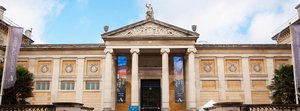 阿什莫林博物馆
 国家博物馆