格拉西埃拉·伊图尔德 肖像

格拉西埃拉·伊图尔德 作品:画廊视角下的 25 幅名作

更新于 November 2026 · 基于我们的流行度评分排名(每件作品的搜索量、访问量及订单量) · 26 件 格拉西埃拉·伊图尔德 作品收录于我们的目录中

简而言之

在画廊看来,格拉西埃拉·伊图尔德 最著名的作品是 Pachuco, Mexico City (1972),其原作现收藏于 华盛顿特区 的 National Museum of Women in the Arts。 Jardín Botánico (Botanical Garden), Oaxaca (1998) 与 Nuestra Señora de las Iguanas (Our Lady of the Iguanas), Juchitán (1979) 共同构成了那组令人过目不忘的艺术三部曲。 在我们的目录中,格拉西埃拉·伊图尔德 共有 26 件作品,画廊为您精选了以下 25 件最著名的原作,并详细列出了每件作品的创作年份、馆藏机构及其独特之处。

出生于 1942, 墨西哥城 Documentary photography 藏品最多:National Museum of Women in the Arts

画廊中 格拉西埃拉·伊图尔德 的十大名画

1
Pachuco, Mexico City (1972) 由 格拉西埃拉·伊图尔德

Pachuco, Mexico City

1972 · Black and White Photography · National Museum of Women in the Arts, 华盛顿特区

In the heart of 1972 Mexico City, Graciela Iturbide captured more than just a fleeting moment; she immortalized an identity. Her seminal photograph, "Pachuco," serves as a profound window into the burgeoning spirit of youthful rebellion that pulsed through the urban landscape following Mexico's Cultural Revolution. The subject, a young man embodying the pachuco subculture, stands before us not merely as a person, but as a symbol of stylistic resistance…

2
Jardín Botánico (Botanical Garden), Oaxaca (1998) 由 格拉西埃拉·伊图尔德

Jardín Botánico (Botanical Garden), Oaxaca

1998 · Gelatin Silver Print · National Museum of Women in the Arts, 华盛顿特区

In the heart of Oaxaca’s arid landscape, Graciela Iturbide captures a moment of profound stillness in her 1998 masterpiece, Jardín Botánico (Botanical Garden), Oaxaca. This striking black and white photograph presents a captivating scene where three cactus sculptures rise like sentinels against a vast, uncluttered sky. The composition is defined by a powerful verticality, as the cacti pierce the horizon, inviting the viewer into a deep contemplation of the relationship…

3
Nuestra Señora de las Iguanas (Our Lady of the Iguanas), Juchitán (1979) 由 格拉西埃拉·伊图尔德

Nuestra Señora de las Iguanas (Our Lady of the Iguanas), Juchitán

1979 · Gelatin Silver Print · National Museum of Women in the Arts, 华盛顿特区

In the profound stillness of Graciela Iturbide’s 1979 masterpiece, "Nuestra Señora de las Iguanas (Our Lady of the Iguanas), Juchitán," we are invited into a world where the boundaries between the human spirit and the natural realm dissolve. This iconic silver gelatin print is far more than a photographic record; it is a poetic meditation on cultural identity, captured during Iturb andide's deep immersion into the indigenous traditions of Mexico.…

4
Autoretrato como Seri (Self-Portrait as Seri) (1979) 由 格拉西埃拉·伊图尔德

Autoretrato como Seri (Self-Portrait as Seri)

1979 · Gelatin Silver Print · National Museum of Women in the Arts, 华盛顿特区

In the quiet, monochrome depths of Graciela Iturbide’s Autoretrato como Seri (Self-Portrait as Seri), we encounter more than a mere photograph; we enter a profound meditation on the boundaries of the self. Created in 1979, this striking black-and-white masterpiece serves as a visual bridge between the artist's personal identity and the ancestral traditions of the Seri people of Sonora, Mexico. Iturbide does not simply document a culture; she inhabits it,…

5
Peregrinación (Procession), Chalma (1984) 由 格拉西埃拉·伊图尔德

Peregrinación (Procession), Chalma

1984 · Gelatin Silver Print · National Museum of Women in the Arts, 华盛顿特区

In the profound stillness of Graciela Iturbide’s 1984 masterpiece, Peregrinación (Procession), Chalma, the viewer is not merely an observer but a participant in a sacred ritual. Captured in a stark, evocative black and white gelatin silver print, this photograph serves as a crystallized moment of Mexican cultural identity. The image depicts a dense procession of pilgrims journeying toward the sanctuary of Chalma, a site where ancient Aztec spiritualism and Christian…

7
Torito (Little Bull), Coyoacán, Mexico City (1982) 由 格拉西埃拉·伊图尔德

Torito (Little Bull), Coyoacán, Mexico City

1982 · Acrylic On Canvas · National Museum of Women in the Arts, 华盛顿特区

Captivating Subject and Cultural Significance This striking artwork presents a monochromatic depiction of a bull’s head, mounted on a bicycle frame, blending elements of sculpture and photography to evoke powerful cultural symbolism. The bull, a revered animal in Mexican tradition, symbolizes strength, resilience, and cultural identity. Its prominent horns and fierce expression invite viewers to reflect on themes of tradition, sacrifice, and communal heritage. The mounted presentation suggests a narrative…

8
墨西哥城 (1969) 由 格拉西埃拉·伊图尔德

墨西哥城

1969 · 银盐照片 · National Museum of Women in the Arts, 华盛顿特区

Graciela Iturbide’s “Ciudad de México” isn't merely a photograph; it’s a distillation of Mexican soul—a quiet contemplation punctuated by the stark grandeur of religious iconography. Captured in 1969, this gelatin silver print transcends documentation, presenting instead an arresting tableau that speaks to themes of mortality, remembrance, and the enduring spirit of tradition.

9
Inmaculada (Immaculate Girl), Xochimilco (1984) 由 格拉西埃拉·伊图尔德

Inmaculada (Immaculate Girl), Xochimilco

1984 · Acrylic On Canvas · National Museum of Women in the Arts, 华盛顿特区

Inmaculada (Immaculate Girl), Xochimilco – A Hymn to Innocence Amidst Vibrant Ritual Graciela Iturbide’s “Inmaculada,” created in 1984, transcends mere photography; it's a profound meditation on faith, identity, and the enduring beauty of Mexican culture. Captured against the backdrop of Xochimilco’s canals—a UNESCO World Heritage Site steeped in tradition—the image portrays a young girl standing before an expansive mural depicting an angelic figure adorned with intricate floral motifs, skulls, and…

10
Cuatro pescaditos (Four Little Fish), Juchitán (1986) 由 格拉西埃拉·伊图尔德

Cuatro pescaditos (Four Little Fish), Juchitán

1986 · Black and White Photography · National Museum of Women in the Arts, 华盛顿特区

In the quiet, sun-drenched corners of Oaxaca, Mexico, Graciela Iturbide captures more than just a moment; she captures a soul. Her 1986 masterpiece, Cuatro Pescaditos (Four Little Fish), Juchitán, serves as a profound distillation of Zapotec culture and the enduring beauty found within the rhythms of everyday life. This black-and-white photograph is far more than a mere documentary record; it is a poignant meditation on identity and dignity. Through her…

格拉西埃拉·伊图尔德 的画作,排名第 11 至 25

令 格拉西埃拉·伊图尔德 驻足的创作主题

这些原作中反复出现的四个主题,各有一个最杰出的范例。

收藏有 格拉西埃拉·伊图尔德 原作的博物馆

收藏了本页中大部分画作的 3 家博物馆。

博物馆 城市 格拉西埃拉·伊图尔德 的作品 此列表中的画作
National Museum of Women in the Arts, 华盛顿特区National Museum of Women in the Arts 华盛顿特区 23 Pachuco, Mexico City, Jardín Botánico (Botanical Garden), Oaxaca, Nuestra Señora de las Iguanas (Our Lady of the Iguanas), Juchitán
USC Fisher Museum of Art, 洛杉矶USC Fisher Museum of Art 洛杉矶 1 Untitled (Family in a Hammock)
波士顿美术馆, 波士顿波士顿美术馆 波士顿 1 Photographer, Chiapas

格拉西埃拉·伊图尔德,每十年一件代表作

各年代作品数量

选择一个年代,探索定义该时代的原创杰作。

格拉西埃拉·伊图尔德 的画作:画廊解答

哪幅 格拉西埃拉·伊图尔德 的画作最为闻名?揭晓答案

Pachuco, Mexico City (1972),National Museum of Women in the Arts, 华盛顿特区。紧随其后的是 Jardín Botánico (Botanical Garden), Oaxaca (1998) 和 Nuestra Señora de las Iguanas (Our Lady of the Iguanas), Juchitán (1979)。

格拉西埃拉·伊图尔德 完成 Pachuco, Mexico City 时多大年纪?揭晓答案

30岁:Pachuco, Mexico City创作于1972年,格拉西埃拉·伊图尔德出生于1942年。

格拉西埃拉·伊图尔德 最受欢迎的 10 幅画作是哪些?揭晓答案

Pachuco, Mexico City, Jardín Botánico (Botanical Garden), Oaxaca, Nuestra Señora de las Iguanas (Our Lady of the Iguanas), Juchitán, Autoretrato como Seri (Self-Portrait as Seri), Peregrinación (Procession), Chalma, Los pollos (Chickens), Juchitán, Torito (Little Bull), Coyoacán, Mexico City, 墨西哥城, Inmaculada (Immaculate Girl), Xochimilco 及 Cuatro pescaditos (Four Little Fish), Juchitán。上方排名显示了每件作品的创作年份及馆藏机构。

格拉西埃拉·伊图尔德 创作了多少件作品?揭晓答案

我们的目录收录了 26 件 格拉西埃拉·伊图尔德 的作品,创作年代从 1960 年至 2005 年。

格拉西埃拉·伊图尔德 最著名的原作收藏于何处?揭晓答案

多见于 National Museum of Women in the Arts (华盛顿特区), USC Fisher Museum of Art (洛杉矶) 及 波士顿美术馆 (波士顿)。上方的博物馆列表列出了所有相关机构。

格拉西埃拉·伊图尔德 是在什么时候创作出最著名的画作的?揭晓答案

在 1970s 期间:本页 25 件作品中有 8 件创作于该时期,其中包含 Pachuco, Mexico City 件作品。

格拉西埃拉·伊图尔德 最早和最晚的代表作有哪些?揭晓答案

在本页面中,最早的作品创作于 Untitled (Family in a Hammock) (1960),最晚的创作于 El baño de Frida (Frida’s Bathroom), Coyoacán (2005)。

格拉西埃拉·伊图尔德 最常创作的主题是什么?揭晓答案

Mexican culture (5), Black and white (4) 及 Symbolic imagery (3),共计 25 件作品。

格拉西埃拉·伊图尔德 最常用的创作媒介是什么?揭晓答案

Gelatin Silver Print,共计 8 件(本页共有 25 件作品)。

格拉西埃拉·伊图尔德 属于哪种艺术流派?揭晓答案

根据本页面的原作,Documentary photography 及 Contemporary realism

National Museum of Women in the Arts收藏了哪些格拉西埃拉·伊图尔德的原作?揭晓答案

Pachuco, Mexico City, Jardín Botánico (Botanical Garden), Oaxaca 及 Nuestra Señora de las Iguanas (Our Lady of the Iguanas), Juchitán:National Museum of Women in the Arts, 华盛顿特区收藏了本页中 23 件作品。

格拉西埃拉·伊图尔德:艺术家

光影镌刻的人生:格拉西埃拉·伊图尔德的诗意视觉

1942年出生于墨西哥城的格拉西埃拉·伊图尔德,不仅是一位摄影师,更是一位视觉诗人。她的黑白影像与民族的灵魂以及人类普遍的生命体验产生了深切共鸣。在这样一个深受传统天主教影响的家庭中,作为十三名子女中的长女,她培养出了一种敏锐的观察力——一种对生活细微之处的静默关注,这种特质后来成为了她艺术实践的核心。父亲那记录着日常家庭瞬间的业余摄影作品,激发了她对这一媒介早期的痴迷,将简单的快照转化为珍贵的记忆,并为伊图尔德日后对影像创作的探索奠定了基础。这些成长岁月不仅仅是关于技术的学习,更是关于理解摄影如何能够凝聚身份、保存历史并唤起深层情感的过程。

从悲恸到启示:在镜头中寻找声音

1970年,随着六岁的女儿克劳迪娅不幸夭折,一个转折性的时刻降临了。这一毁灭性的事件不可逆转地改变了伊图 尔德的人生轨迹,促使她试图通过艺术表达来寻求慰藉与意义。起初,她在墨西哥国立自治大学电影研究中心被电影制作所吸引,但很快她便发现,静态摄影能为她蓬勃发展的视觉构想提供一个更直接的媒介。1970年至1971年间,师从曼努埃尔·阿尔瓦雷斯·布拉沃(Manuel Álvarez Bravo)的经历具有变革意义。导师不仅传授了技术技巧,更传递了一种关于耐心的哲学,鼓励伊图尔德去等待那个“决定性瞬间”——即所有元素完美契合、创造出蕴含力量与深意的瞬间。这段时期成为了她人生的转折点,巩固了她将摄影作为处理悲痛、探索复杂主题并记录周围世界的决心。

传统的余响:记录墨西哥的灵魂

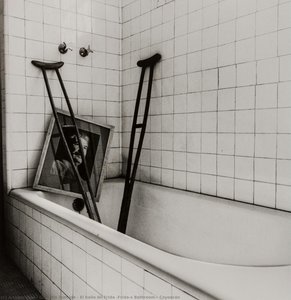
伊图尔德的作品以其诗意的情感和极具感染力的黑白影像为特征。她并不只是在“拍摄”照片,而是在与她的拍摄对象进行对话,让自己沉浸在他们的世界中,让他们的故事在镜头前自然展开。她的关注点在于记录墨西哥边缘化社区的生活、仪式与身份,特别是萨波特克、米斯特克和塞里等原住民文化。身份、性、死亡、精神信仰以及女性角色等反复出现的主题,交织在她的整个作品集中,细腻地描绘了墨西哥复杂的文化景观。她刻意避免直接干预,更倾向于观察并捕捉自然发生的真实瞬间。这种充满敬意的创作方式让她的拍摄对象能够保持尊严与自主性,从而使影像呈现出既亲密又深邃的质感。她的经典之作《朱希坦,鬣蜥圣母》(1979)完美地诠释了这一点——在瓦哈卡州,一位被鬣蜥环绕的女性,成为了原住民精神信仰与女性力量的强大象征。同样,《科约阿坎,弗里达的浴室》则为我们提供了一个窥视弗里达·卡罗私人圣殿的亲密视角,揭示了她私密空间中层层叠叠的象征意义。

在认可中铸就的传奇

在她的职业生涯中,格拉西埃拉·伊图尔德因其对摄影艺术的贡献而获得了广泛的认可。她曾于1971年获得W.尤金·史密斯奖(W. Eugene Smith Grant),并获得了古根海姆学院的奖学金,这些都为她的艺术探索提供了至关重要的支持。她记录索诺拉塞里印第安人的系列作品,见证了她致力于保护文化遗产的决心,捕捉到了他们独特的生活方式以及与沙漠环境之间的深厚联系。其他杰出作品如《摄影师,恰帕斯》和《索奇米尔科,圣母》进一步展示了她在日常场景中发现美与意义的能力。伊图尔德的影响力早已超越了墨西哥的国界;她的作品曾在国际上展出,并被旧金山现代艺术博物馆和盖蒂中心等著名博物馆收藏。她为其他拉丁美洲女性摄影师开辟了道路,挑战了对墨西哥文化的传统呈现方式,并以其对社会记录、诗意视觉以及对文化多样性坚定不移的尊重,激励着新一代的艺术家。格拉西埃拉·伊图尔德不仅是在记录墨西哥;她正在揭示它的灵魂。