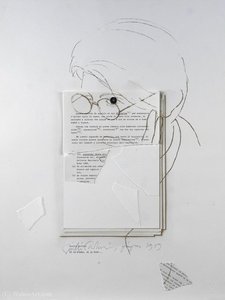
Giulio Paolini 肖像

17 幅最著名的 Giulio Paolini 作品,画廊精选

更新于 November 2026 · 基于我们的流行度评分排名(每件作品的搜索量、访问量及订单量) · 17 件 Giulio Paolini 作品收录于我们的目录中

简而言之

在 Giulio Paolini 留下的所有原作中,最著名的作品是 Untitled (771)。 紧随其后的是 Untitled (755) 和 Untitled (758)。 我们的目录收录了 Giulio Paolini 的 17 件作品;画廊完整保留了 17 件享誉世界的杰作,并为每一件作品详细标注了创作日期、馆藏机构及其背后的故事。

出生于 1940, Genoa 藏品最多:CAMUSAC 卡西诺当代艺术博物馆

Giulio Paolini 的十大名画:画廊精选

7
L (1984) 由 Giulio Paolini

L

1984 · Sculpture · 新南威爾士藝術畫廊, 悉尼

Giulio Paolini's "L," created in 1984, isn’t merely a sculpture; it’s an invitation to contemplate the very nature of representation and the weight of history. The work immediately commands attention with its stark simplicity: two imposing marble busts of heads, rendered in a classical style reminiscent of Roman antiquity, stand on slender pedestals beneath a scattering of shattered fragments – a deliberate chaos that belies the inherent order of the…

Giulio Paolini 系列持续更新,第 11 至 17 项

收藏有 Giulio Paolini 原作的博物馆

收藏了本页中大部分画作的 5 家博物馆。

博物馆 城市 Giulio Paolini 的作品 此列表中的画作
CAMUSAC 卡西诺当代艺术博物馆, 卡西诺CAMUSAC 卡西诺当代艺术博物馆 卡西诺 2 Doppia Verità, senza titolo
新南威爾士藝術畫廊, 悉尼新南威爾士藝術畫廊 悉尼 1 L
Fondazione per l'Arte Moderna e Contemporanea CRT, 都灵Fondazione per l'Arte Moderna e Contemporanea CRT 都灵 1 Requiem
Magazzino Italian Art, Cold SpringMagazzino Italian Art Cold Spring 1 Mimesis
都灵市立现代与当代艺术馆, 都灵都灵市立现代与当代艺术馆 都灵 1 Untitled

Giulio Paolini 的年度历程:定义其艺术风格的原创之作

仅仅十年间,从 1976 到 1984,这一系列作品涵盖了每一件带有年份标记的 Giulio Paolini 原作:在此按年份为您呈现。

年度作品数量

选择年份以查看原作。

藏家关于 Giulio Paolini 作品的常见问题

Giulio Paolini 最著名的作品是哪一件?揭晓答案

Untitled (771)。紧随其后的是 Untitled (755) 和 Untitled (758)。

Giulio Paolini 最著名的十幅画作是什么?揭晓答案

Untitled (771), Untitled (755), Untitled (758), Untitled (936), Untitled (390), Doppia Verità, L, Untitled (421), Untitled (894) 及 Untitled (333)。上方排名显示了每件作品的创作年份及馆藏机构。

Giulio Paolini 留下了多少幅画作?揭晓答案

我们的目录收录了 17 件 Giulio Paolini 的作品,创作年代从 1976 年至 1984 年。

Giulio Paolini 的杰作收藏在哪些博物馆中?揭晓答案

多见于 CAMUSAC 卡西诺当代艺术博物馆 (卡西诺), 新南威爾士藝術畫廊 (悉尼) 及 Fondazione per l'Arte Moderna e Contemporanea CRT (都灵)。上方的博物馆列表列出了所有相关机构。

Giulio Paolini 的首件与末件名作原件分别是哪几件?揭晓答案

在本页面中,最早的作品创作于 Mimesis (1976),最晚的创作于 L (1984)。

哪些 Giulio Paolini 的作品在 CAMUSAC 卡西诺当代艺术博物馆 展出?揭晓答案

Doppia Verità 及 senza titolo:CAMUSAC 卡西诺当代艺术博物馆, 卡西诺收藏了本页中 2 件作品。

Giulio Paolini:生平与作品

Giulio Paolini: Bridging Arte Povera and Conceptual Thought

Giulio Paolini stands as a singular figure in Italian art, embodying the spirit of Arte povera while simultaneously delving into the intricacies of conceptual art. Born in Genoa in 1940, his artistic journey began amidst formative influences – a childhood spent in Bergamo instilled a deep appreciation for visual culture and fostered an early engagement with museums and galleries. His fascination extended beyond mere observation; he actively sought knowledge through art periodicals and meticulously studied the works of masters. This intellectual curiosity propelled him toward painting after graduating from the Giambattista Bodoni State Industrial Technical School of Graphics and Photography in 1959, specializing in graphic design.
  • Early Explorations: Paolini’s initial artistic endeavors centered on monochrome abstractions, reflecting a desire to distill visual experience into its purest form. The discovery of modern graphics – his brother Cesare's architectural pursuits – profoundly impacted his aesthetic sensibilities, shaping his approach to representation.
  • The Pioneering Gesture: His breakthrough came with “ disegno geometrico” (geometric drawing), a seminal piece executed in 1960. This ambitious undertaking involved squaring a canvas painted entirely white tempera – an act of deliberate negation intended to liberate the image from preconceived notions and establish a foundational conceptual principle.
  • Conceptual Foundations: Paolini’s artistic philosophy revolved around capturing “eternal recurrence,” recognizing that each creative moment holds inherent significance and contributes to the artist's self-discovery. This perspective underpinned his subsequent explorations into the very components of painting – tools and space—marking a decisive shift toward conceptual concerns.

The Rise of Arte Povera and Photographic Realism

Paolini’s artistic trajectory gained momentum in the early 1960s as he embraced photography, expanding his investigation into the relationship between artist and artwork. This collaboration with Carla Lonzi proved pivotal, introducing him to Marisa Volpi who would soon produce influential critical analyses of his burgeoning talent. The encounter solidified Paolini's connection to Arte povera—an artistic movement characterized by its use of humble materials and rejection of traditional techniques—and cemented his commitment to exploring the boundaries of visual perception.
  • Early Exhibitions: His debut solo exhibition at Gian Tommaso Liverani’s La Salita gallery in Rome in 1964 showcased “leant against or hanging on the wall” panels—a deliberate provocation designed to disrupt conventional notions of display and underscore the ongoing process of artistic creation. Critics like Carla Lonzi and Marisa Volpi recognized Paolini's innovative approach, establishing him as a voice within the burgeoning Arte povera movement.
  • Material Exploration: Paolini’s subsequent works consistently prioritized raw materials—wood, plaster, photography—transforming them into evocative sculptures and images. These pieces eschewed polished surfaces and elaborate ornamentation, prioritizing textural qualities and conveying emotional resonance.

Notable Achievements and Artistic Legacy

Paolini’s artistic output demonstrates a remarkable sensitivity to both formal experimentation and conceptual depth. His exploration of photographic realism—evident in “senza titolo” (1965)—challenged viewers to confront the complexities of representation, prompting reflection on how images convey meaning beyond mere visual appearance. Furthermore, his sculptural endeavors, such as “Untitled (936),” exemplify Arte povera’s commitment to confronting existential themes through understated materials and forms.
  • Critical Recognition: Paolini's work garnered considerable acclaim from prominent art critics and curators who championed his distinctive aesthetic vision. Lonzi and Volpi’s initial assessments established him as a key figure in the Arte povera movement, securing his place within the history of Italian contemporary art.
  • Continuing Relevance: Giulio Paolini's enduring influence stems from his unwavering dedication to artistic innovation—his refusal to adhere to conventional standards and his persistent pursuit of expressive truth. His legacy continues to inspire artists today who strive to forge new paths within the realm of visual art.