费拉雷特 肖像

9 幅最著名的 费拉雷特 作品,画廊精选

更新于 November 2026 · 基于我们的流行度评分排名(每件作品的搜索量、访问量及订单量) · 9 件 费拉雷特 作品收录于我们的目录中

简而言之

在 费拉雷特 留下的所有原作中,最著名的当属收藏于 梵蒂冈城 圣彼得大教堂 的《Bronze door (detail) (1433)》。 紧随其后的是 Bronze door (1433) 和 Equestrian statue of Marcus Aurelius (1465)。 我们的目录收录了 费拉雷特 的 9 件作品;画廊完整保留了 9 件享誉世界的杰作,并为每一件作品详细标注了创作日期、馆藏机构及其背后的故事。

1400 – 1469, 佛罗伦萨 藏品最多:圣彼得大教堂

费拉雷特 的十大名画:画廊精选

1
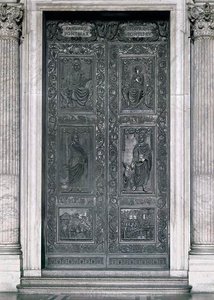
Bronze door (detail) (1433) 由 费拉雷特

Bronze door (detail)

1433 · Sculpture Bronze · 圣彼得大教堂, 梵蒂冈城

To stand before this fragment of the Bronze Doors of St. Peter's Basilica is to encounter history rendered in immutable metal. This exquisite detail, crafted by Filarete in 1433, does not merely depict a scene; it encapsulates an entire epoch—the breathtaking transition from the soaring spirituality of the Gothic age into the burgeoning humanism of the Renaissance. The sheer density of life captured here is overwhelming, drawing the viewer into…

2
Bronze door (1433) 由 费拉雷特

Bronze door

1433 · Bronze · 圣彼得大教堂, 梵蒂冈城

The artwork titled Bronze door is a work of relief sculpture created by the artist Filarete. This piece is located within St. Peter's Basilica in Vatican City. The commission for these bronze doors was granted by Pope Eugenius IV. The creation of the work is dated to about 1433.

3
Equestrian statue of Marcus Aurelius (1465) 由 费拉雷特

Equestrian statue of Marcus Aurelius

1465 · Bronze · 德累斯顿国家艺术收藏馆, 德累斯顿

This remarkable bronze sculpture captures the commanding presence of a Roman emperor on horseback, embodying strength, leadership, and divine authority. The figure, likely representing Marcus Aurelius, exudes a sense of calm confidence and regal dignity, inviting viewers to reflect on the grandeur of ancient Rome and its enduring legacy. The dynamic pose of the horse, mid-stride, adds a sense of movement and vitality, making this piece a powerful focal point…

4
Bronze door (detail) (1433) 由 费拉雷特

Bronze door (detail)

1433 · Bronze · 圣彼得大教堂, 梵蒂冈城

The bronze doors of the main entrance to St. Peter's Basilica in Vatican City are not merely portals; they are monumental testaments to a confluence of artistic influences, whispering tales of empires, faiths, and the enduring power of human craftsmanship. Crafted primarily by Filarete during the mid-15th century, these imposing gates represent a fascinating intersection between Byzantine grandeur, Roman classical ideals, and the nascent spirit of the Italian Renaissance. More…

5
Bronze door (1433) 由 费拉雷特

Bronze door

1433 · Acrylic On Canvas · 圣彼得大教堂, 梵蒂冈城

Standing before the bronze door, a sense of profound stillness descends. It’s not merely a barrier; it's a monumental statement, a frozen narrative carved into metal and imbued with the spirit of 15th-century Florence. This isn’t simply a doorway; it’s a portal – a gateway to a world of biblical drama, Byzantine splendor, and the audacious vision of Antonio di Pietro Aver(u)lino, better known as Filarete.

6
Page from the Trattato d'architettura (1465) 由 费拉雷特

Page from the Trattato d'architettura

1465 · Ink On Paper · 乌菲兹美术馆, 佛罗伦萨

The meticulously rendered drawing, “Page from the Trattato d’Architettura,” offers a captivating window into the mind of Filarete, a Florentine architect and military engineer who profoundly influenced Renaissance urban planning. Dating back to 1465, this intricate sketch isn't merely an architectural plan; it’s a visionary depiction of a utopian city – a testament to the burgeoning humanist ideals that sought to reconcile classical principles with practical innovation. The drawing, executed…

7
Page from the Trattato d'architettura (1465) 由 费拉雷特

Page from the Trattato d'architettura

1465 · Acrylic On Canvas · 乌菲兹美术馆, 佛罗伦萨

The fifteenth century witnessed an artistic awakening unlike any seen before, a gradual shedding of medieval constraints in favor of the humanist spirit that would define the coming centuries. Among the luminaries shaping this burgeoning era was Filarete (c. 1400-1469), Florentine architect and engineer whose magnum opus – *Trattato d'architettura* – remains an unparalleled testament to Renaissance architectural thought.

8
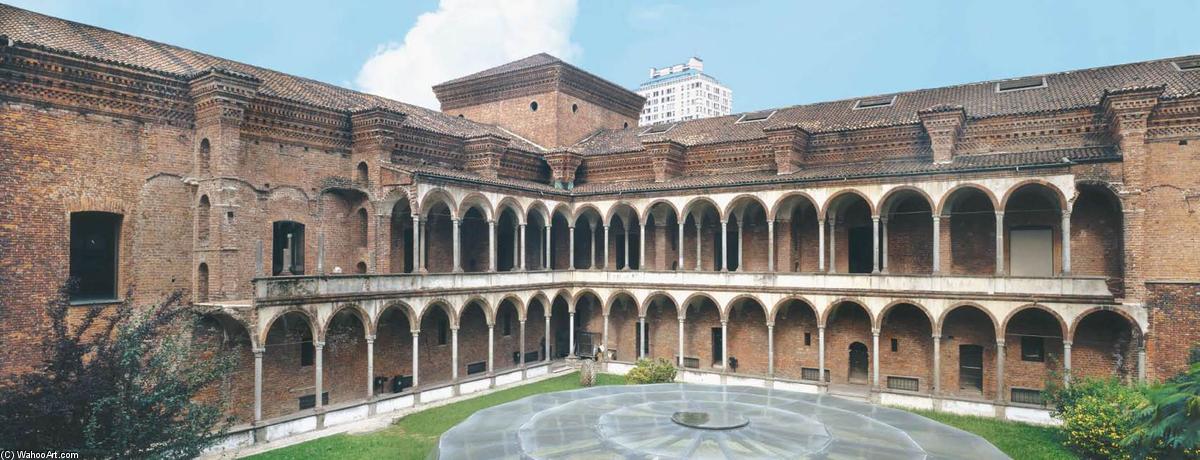
Cortile della Speziera (1467) 由 费拉雷特

Cortile della Speziera

1467 · Ospedale Maggiore, Milan

The Cortile della Speziera is a work attributed to the artist Filarete. This architectural creation dates to about 1467. The structure is part of the larger Ospedale Maggiore complex located in Milan, Italy. The site is currently the headquarters of the University of Milan.

9
Equestrian figure of Hector (1456) 由 费拉雷特

Equestrian figure of Hector

1456 · 国立考古学博物馆, 马德里

The equestrian figure of Hector, a work by the Florentine artist Antonio Averlino, ‘Filarete’, is a masterpiece of Renaissance bronze. Its creator was a scholar, architect and sculptor from the Quattrocento who initiated a popular new genre of sculpture in the Modern Age that involved creating small or medium-size bronze sculptures, perfecting the ancient Roman technique of lost-wax casting to create figures inspired by Antiquity. Filarete’s Hector shows the victorious…

令 费拉雷特 驻足的创作主题

这些原作中反复出现的四个主题,各有一个最杰出的范例。

收藏有 费拉雷特 原作的博物馆

收藏了本页中大部分画作的 5 家博物馆。

博物馆 城市 费拉雷特 的作品 此列表中的画作
圣彼得大教堂, 梵蒂冈城圣彼得大教堂 梵蒂冈城 4 Bronze door (detail), Bronze door, Bronze door (detail)
乌菲兹美术馆, 佛罗伦萨乌菲兹美术馆 佛罗伦萨 2 Page from the Trattato d'architettura, Page from the Trattato d'architettura
德累斯顿国家艺术收藏馆, 德累斯顿德累斯顿国家艺术收藏馆 德累斯顿 1 Equestrian statue of Marcus Aurelius
Ospedale Maggiore, MilanOspedale Maggiore Milan 1 Cortile della Speziera
国立考古学博物馆, 马德里国立考古学博物馆 马德里 1 Equestrian figure of Hector

费拉雷特 的年代演变:定义每个时代的原创之作

各年代作品数量

选择一个年代,探索定义该时代的原创杰作。

藏家关于 费拉雷特 作品的常见问题

费拉雷特 最著名的作品是哪一件?揭晓答案

Bronze door (detail) (1433),圣彼得大教堂, 梵蒂冈城。紧随其后的是 Bronze door (1433) 和 Equestrian statue of Marcus Aurelius (1465)。

创作 Bronze door (detail) 时,费拉雷特 是多少岁?揭晓答案

33岁:Bronze door (detail)创作于1433年,费拉雷特出生于1400年。

费拉雷特 留下了多少幅画作?揭晓答案

我们的目录收录了 9 件 费拉雷特 的作品,创作年代从 1433 年至 1467 年。

费拉雷特 的杰作收藏在哪些博物馆中?揭晓答案

多见于 圣彼得大教堂 (梵蒂冈城), 乌菲兹美术馆 (佛罗伦萨) 及 德累斯顿国家艺术收藏馆 (德累斯顿)。上方的博物馆列表列出了所有相关机构。

费拉雷特 在哪些年份创作了最著名的作品?揭晓答案

在 1430s 期间:本页 9 件作品中有 4 件创作于该时期,其中包含 Bronze door (detail) 件作品。

费拉雷特 的首件与末件名作原件分别是哪几件?揭晓答案

在本页面中,最早的作品创作于 Bronze door (detail) (1433),最晚的创作于 Cortile della Speziera (1467)。

费拉雷特 最常创作的主题是什么?揭晓答案

Byzantine influence (3), Renaissance art (2) 及 Relief sculpture (2),共计 9 件作品。

费拉雷特 最常用的技法是什么?揭晓答案

Bronze,共计 3 件(本页共有 9 件作品)。

哪些 费拉雷特 的作品在 圣彼得大教堂 展出?揭晓答案

Bronze door (detail), Bronze door 及 Bronze door (detail):圣彼得大教堂, 梵蒂冈城收藏了本页中 4 件作品。

费拉雷特:生平与作品

新时代的黎明:探索15世纪的艺术世界

十五世纪是艺术史上一个至关重要的转折点。这是一个发生深刻变革的时代,哥特式艺术那僵化而严谨的形式感,开始逐渐让位于文艺复兴时期蓬勃发展的生命力与人文主义精神。虽然人们常将其视为一个单一的“文艺复兴”时期,但这段历史其实要细腻得多,它在欧洲各地呈现出不同的面貌,并以既定传统与革命性创新之间迷人的交织为显著特征。本文将深入探索塑造了这个变革世纪的艺术家们,追寻他们的生命轨迹、艺术成就以及那份跨越时空的持久遗产。我们必须铭记,简单地为艺术运动贴上标签往往是一种过度简化;15世纪见证的是一场渐进式的演变而非突如其encounters的革命,各种风格与手法在复杂的艺术版图中和谐共存。

早期影响:哥特遗产与新兴风格

15世纪初的艺术家们仍深深植根于中世纪晚期的传统之中,尤其是哥特式风格。哥特艺术以其高耸的垂直感、繁复的装饰以及对宗教象征意义的强调为特征,为随后的艺术发展提供了基础性的框架。然而,即便在那个时代,微妙的变化已悄然发生。像金蒂莱·达·法布里亚诺(约1370-1427)这样的艺术家,通过其精美的彩绘手稿和板绘作品——例如《背负十字架》——展现了典型的哥特晚期风格,这些作品见证了那个时代细致入微的刻画与瑰丽绚烂的色彩运用。与此同时,被称为弗兰德大师的罗伯特·坎平(约1375-1444)通过在宗教场景中写实地描绘日常生活,进一步完善了这一风格,展现出艺术家们对以更自然主义方式塑造人物日益增长的兴趣。在北欧,扬·凡·艾克等艺术家正在实验油画颜料,这种媒介将彻底变革绘画技术,并实现前所未有的细节表现力与光泽感。拜占庭艺术的影响,特别是其对金箔和象征性图像的使用,在整个世纪里持续发挥着作用,为众多艺术家提供了丰富的灵感源泉。

佛罗伦萨的创新:人文主义的兴起

由于美第奇等显赫家族的慷慨赞助,佛罗伦萨在15世纪成为了艺术创新的中心。这座城邦营造了一种理想的环境,使得人文主义理想——即对古典 antiquity 的重新关注以及对人类潜能的颂扬——被艺术家和知识分子共同拥护。菲利波·布鲁内莱斯基(1377-1446)最初以其建筑成就闻名,包括佛罗伦萨洗礼堂门的创新设计,他也通过对透视法的严谨研究为绘画做出了重大贡献,而这种技术后来成为了文艺复远艺术的核心。洛伦佐·吉贝尔蒂(约1378-1455)赢得了洗礼堂门的创作竞赛,证明了艺术技艺与赞助力量在塑造佛罗伦萨文化中的关键作用。雕塑家多纳泰罗(约1386-1466)对后世产生了深远影响,他在作品中突破了写实主义与情感表达的边界,其标志性的青铜大卫像是一次革命性的尝试,通过对圣经英雄的全新刻画,挑战了传统的审美与英雄主义观念。马萨乔(1401-1428)被视为文艺复兴绘画的先驱之一,他在布兰卡契礼拜堂的壁画中引入了线性透视法和明暗对照法(chiaroscuro),创造出极具深度感与体积感的视觉效果。

超越意大利:遍及欧洲的艺术发展

尽管佛罗伦萨引领了潮流,但艺术的发展并未局限于意大利境内。在法兰德斯(今比利时),扬·凡·艾克(约1390-1441)和罗吉尔·范德魏登(约13世纪90-1464)开创了油画技术,在肖像画与宗教场景中达到了惊人的细节精度与写实水平。活跃于布鲁赫的林堡兄弟创作了极其精细的彩绘手稿,展示了对透视法和色彩理论的高超理解。在西班牙,佩德罗·贝鲁格特(约1407-1463)等艺术家在吸收意大利文艺复兴元素的同时,继续发展着哥特风格。整个欧洲的艺术家们都在实验新的材料、技法与题材,反映了当时不断变化的社会、政治与思想格局。

遗产与历史意义

15世纪见证了艺术思维的一次根本性转变——从纯粹的象征性表现转向了一种更加自然主义且以人为本的方法。透视、解剖学和色彩理论的创新,为随后一个世纪盛期文艺复兴(High Renaissance)的到来奠定了基石。多纳泰罗和马萨乔等艺术家挑战了既定的传统规范,为后代艺术家探索新的可能性开辟了道路。虽然这一时期带有哥特传统的延续性,但它也代表了迈向定义文艺复兴的艺术成就的关键一步——这是人类创造力与创新精神持久力量的明证。这些15世纪艺术家的遗产至今仍在激励并影响着当代的艺术,提醒着我们西方艺术那丰富而复杂的历史底蕴。