简而言之
Michael Beverley With His Whipper In And Harriers, (1831) 是Edwin Cooper最受瞩目的画作。 随后,目光会移向 London To Glasgow Royal Mail On The Open Road 和 "Banker", a Racehorse Belonging to Frederick, Duke of York。 在 Edwin Cooper 的 25 件作品中,这 25 件最为闻名;每一件都是独一无二的原作,并附有创作年份、馆藏机构及其经久不衰的原因。
画廊视角下的 Edwin Cooper 十大名作
Edwin Cooper 的名画,第 11 至 25 幅
令 Edwin Cooper 驻足的创作主题
这些原作中反复出现的四个主题,各有一个最杰出的范例。
Hunting 8 件作品
Landscape 7 件作品
Beach 4 件作品
收藏有 Edwin Cooper 原作的博物馆
收藏了本页中大部分画作的 3 家博物馆。
| 博物馆 | 城市 | Edwin Cooper 的作品 | 此列表中的画作 |
|---|---|---|---|
| 3 | A Chestnut Hunter In A Field, A Bay Hunter In A Landscape, A Grey Carriage Horse In A Stable | ||
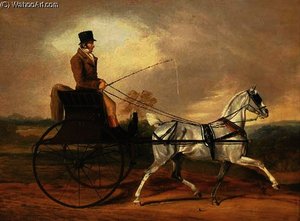
| 纽黑文 | 2 | A Gentleman Driving Tandem To A Jaunting Ca, A Sportsman With Shooting Pony And Gun Dogs | |

| 伦敦 | 1 | "Banker", a Racehorse Belonging to Frederick, Duke of York |
Edwin Cooper 历年佳作:每一件都是独一无二的原作
此处展示的所有 Edwin Cooper 原作均出自 1831 年;作品按知名度由高到低排列。
Edwin Cooper 的画作:画廊常见问题
Edwin Cooper 最著名的代表作是什么?揭晓答案
Michael Beverley With His Whipper In And Harriers, (1831)。紧随其后的是 London To Glasgow Royal Mail On The Open Road 和 "Banker", a Racehorse Belonging to Frederick, Duke of York。
Edwin Cooper 是在多少岁时创作了 Michael Beverley With His Whipper In And Harriers,?揭晓答案
46岁:Michael Beverley With His Whipper In And Harriers,创作于1831年,Edwin Cooper出生于1785年。
Edwin Cooper 最著名的十幅画作是哪些?揭晓答案
Michael Beverley With His Whipper In And Harriers,, London To Glasgow Royal Mail On The Open Road, "Banker", a Racehorse Belonging to Frederick, Duke of York, A Chestnut Hunter In A Field, Pointers In A Landscape, Mounted Dragoon By The Sea, A Bay Hunter With A Dog By A Fence, Two Gentlemen With Their Hunters, In An Extensive Landscape, A dark bay horse and a terrier in a landscape 及 Three Greyhounds In A Landscape。上方排名显示了每件作品的创作年份及馆藏机构。
已知 Edwin Cooper 有多少件作品?揭晓答案
我们的目录中收录了 25 件 Edwin Cooper 的作品。
在哪里可以欣赏到最著名的 Edwin Cooper 原作?揭晓答案
多见于 Calke Abbey, 耶鲁英国艺术中心 (纽黑文) 及 皇家收藏馆 (伦敦)。上方的博物馆列表列出了所有相关机构。
Edwin Cooper 偏好哪些题材?揭晓答案
Hunting (8), Landscape (7) 及 Beach (4),共计 25 件作品。
在 Calke Abbey 可以看到哪些 Edwin Cooper 的原作?揭晓答案
A Chestnut Hunter In A Field, A Bay Hunter In A Landscape 及 A Grey Carriage Horse In A Stable:Calke Abbey收藏了本页中 3 件作品。
Edwin Cooper:艺术家肖像
A Life Painted in Light: The World of Edwin Cooper
Edwin Cooper, born in 1785 and passing in 1833, remains a somewhat enigmatic figure within the landscape of 19th-century British art. While not enjoying the widespread renown of contemporaries like Turner or Constable, his work possesses a quiet dignity and a meticulous attention to detail that speaks volumes about the era’s evolving artistic sensibilities. Cooper's paintings, often depicting idyllic rural scenes and historical narratives, offer a fascinating glimpse into the social and aesthetic values of the time. His career unfolded during a period of significant change – the transition from Neo-Classicism towards Romanticism – and his art reflects this tension between order and emotion, restraint and passion.Early Years and Artistic Formation
Details regarding Cooper’s early life are scarce, adding to the mystique surrounding him. It is known that he exhibited at the Royal Academy from 1805 onwards, suggesting a formal artistic training, though the specifics of his education remain undocumented. The influence of earlier landscape masters like Richard Wilson is readily apparent in his initial works; these paintings showcase a delicate handling of light and atmosphere, coupled with a compositional clarity characteristic of the Neo-Classical style. However, Cooper quickly began to develop a distinctive voice, moving away from strict imitation towards a more personalized interpretation of the British countryside. He wasn’t merely replicating scenes but imbuing them with a sense of narrative and emotional resonance.Themes and Techniques: A Blend of History and Landscape
Cooper's oeuvre is characterized by two primary themes: serene landscapes and historical paintings, often intertwined. His landscapes are not wild or untamed; instead, they present an idealized vision of rural England – rolling hills, picturesque villages, and tranquil waterways. These scenes evoke a sense of harmony and order, reflecting the prevailing social ideals of stability and prosperity. His technique is marked by a remarkable precision, with meticulous attention paid to every detail of foliage, architecture, and human figure. He employed a glazing technique, building up layers of translucent color to create depth and luminosity. The historical paintings, while less numerous than his landscapes, reveal Cooper’s interest in British history and mythology. These works often depict scenes from Shakespearean plays or episodes from the lives of prominent historical figures. He approached these subjects with a similar level of detail and realism, striving to recreate the atmosphere and costumes of the period accurately. The combination of landscape and historical narrative is particularly striking in some of his paintings, where he seamlessly integrates human drama into the natural world.Legacy and Historical Significance
Although Cooper did not achieve widespread fame during his lifetime, his work continues to be appreciated for its technical skill, atmospheric quality, and insightful portrayal of 19th-century British life. He occupies a unique position in art history as a transitional figure – bridging the gap between Neo-Classicism and Romanticism. His paintings offer valuable insights into the evolving aesthetic values of the era, reflecting both the enduring appeal of classical ideals and the growing interest in emotional expression and individual interpretation.- Cooper’s meticulous technique influenced later landscape painters.
- His historical paintings provide a glimpse into Victorian interpretations of British history.
- The serene quality of his landscapes reflects the social values of the time.