


1


更新于 November 2026 · 基于我们的流行度评分排名(每件作品的搜索量、访问量及订单量) · 4 件 Ditlev Martens 作品收录于我们的目录中
简而言之
Pave Leo Xll aflægger besøg i Thorvaldsens værksteder ved Piazza Barberini, 18. oktober 1826 (1828) 是 Ditlev Martens 最受瞩目的画作;原作收藏于 哥本哈根 的 斯泰恩斯博物馆艺术馆。 随后,目光会移向 Det indre af Roskilde Domkirke (1824) 和 Christiansborg Slots vestibule (1829)。 在 Ditlev Martens 的 4 件作品中,这 4 件最为闻名;每一件都是独一无二的原作,并附有创作年份、馆藏机构及其经久不衰的原因。
收藏了本页大部分画作的 2 家博物馆。
| 博物馆 | 城市 | Ditlev Martens 的作品 | 此列表中的画作 |
|---|---|---|---|
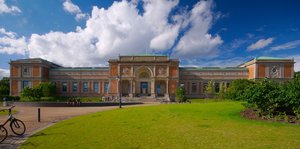 斯泰恩斯博物馆艺术馆 |
哥本哈根 | 3 | Pave Leo Xll aflægger besøg i Thorvaldsens værksteder ved Piazza Barberini, 18. oktober 1826, Det indre af Roskilde Domkirke, Christiansborg Slots vestibule |
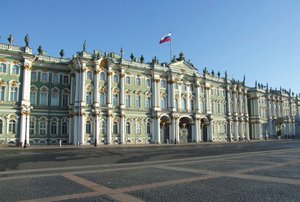 冬宫博物馆 |
圣彼得堡 | 1 | The Great Fire of Hamburg on May 5, 1842 |
跨越 19 年的艺术生涯,从 1824 年到 1842 年:逐年呈现 Ditlev Martens 最著名的原创作品。
选择年份以查看原作。


Pave Leo Xll aflægger besøg i Thorvaldsens værksteder ved Piazza Barberini, 18. oktober 1826 (1828),斯泰恩斯博物馆艺术馆, 哥本哈根。紧随其后的是 Det indre af Roskilde Domkirke (1824) 和 Christiansborg Slots vestibule (1829)。
33岁:Pave Leo Xll aflægger besøg i Thorvaldsens værksteder ved Piazza Barberini, 18. oktober 1826创作于1828年,Ditlev Martens出生于1795年。
我们的目录收录了 4 件 Ditlev Martens 的作品,创作年代从 1824 年至 1842 年。
多见于 斯泰恩斯博物馆艺术馆 (哥本哈根) 及 冬宫博物馆 (圣彼得堡)。上方的博物馆列表列出了所有相关机构。
在本页面中,最早的作品创作于 Det indre af Roskilde Domkirke (1824),最晚的创作于 The Great Fire of Hamburg on May 5, 1842 (1842)。
Pave Leo Xll aflægger besøg i Thorvaldsens værksteder ved Piazza Barberini, 18. oktober 1826, Det indre af Roskilde Domkirke 及 Christiansborg Slots vestibule:斯泰恩斯博物馆艺术馆, 哥本哈根收藏了本页中 3 件作品。
In the grand tapestry of nineteenth-century European art, few threads are as poignant and bittersweet as that of Hans Ditlev Christian Martens. A Danish-German painter whose life spanned the turbulent decades from 1795 to 1864, Martens embodied the romantic spirit of a traveler, capturing the quiet majesty of sacred spaces and the sun-drenched stillness of Italian vistas. Born in Kiel, his early artistic identity was forged through rigorous training, moving from the foundational lessons in his hometown to the prestigious halls of the Copenhagen Academy of Fine Arts. There, under the watchful eye of the legendary C.W. Eckersberg, Martens absorbed the principles of precision and light that would become the hallmark of his vision.
The true metamorphosis of his style occurred when he ventured toward the warmth of the Mediterranean. Arriving in Rome in late 1825, Martens found himself a stranger in a magnificent land, initially lacking the financial means to sustain his artistic pursuits. Yet, it was precisely this vulnerability that led to one of the most significant encounters of his career: his connection with the great sculptor Bertel Thorvaldsen. This mentorship provided more than just survival; it offered Martens a window into the heart of Roman antiquity. His early sketches of Thorvaldsen’s studio, documenting the momentous visit of the Pope, serve as a testament to his ability to weave historical gravity with intimate, observational detail.
Martens possessed a singular gift for vedute—the art of topographical painting—and an even deeper fascination with the architectural soul of Rome. He did not merely paint buildings; he painted the atmosphere contained within them. His canvases often focused on the profound stillness found in the interiors of Roman churches and monasteries, where light filters through ancient stone to create a sense of divine presence. Whether capturing the Kreuzgang von S. Giovanni in Laterano or the solemnity of the Church of Santa Maria in Ara Coeli, his work reflects a meticulous devotion to the interplay of shadow and illumination.
His technical development was characterized by a seamless blend of German precision and Danish clarity, influenced heavily by the academic rigor of his training. His repertoire expanded beyond architectural studies to include evocative portraits and landscapes that breathed with life. During his prolific period in Hamburg between 1837 and 1842, Martens achieved a level of commercial success that brought him significant wealth, allowing him to flourish as a sought-after painter of the era. His ability to translate the grandeur of classical spaces into the intimate language of oil on canvas allowed him to capture the very essence of the Grand Tour experience for his contemporaries.
The trajectory of Martens’ life, much like the dramatic lighting in his paintings, was marked by sudden shifts and profound shadows. The devastating fire of Hamburg in 1842, which destroyed his home and much of his accumulated wealth, served as a tragic turning point. This loss forced a retreat toward Copenhagen, where he sought refuge in the company of fellow artists like N.P. Holbech. While he continued to work, decorating interiors and maintaining his artistic output, the vibrant prosperity of his Hamburg years had faded into a more somber reality.
In his final years, Martens returned to his roots in Kiel, where he eventually passed away in 1864. Though he left the world in poverty, his legacy remains etched in the silent corridors of the museums that house his work today. His historical significance lies in his role as a bridge between the disciplined academicism of the early nineteenth century and the more emotive, atmospheric sensibilities of the later Romantic period. Through his eyes, we continue to witness the enduring majesty of Rome and the quiet, sacred beauty of the spaces that time has touched.