David Park 肖像

11 幅最著名的 David Park 作品,画廊精选

更新于 October 2026 · 基于我们的流行度评分排名(每件作品的搜索量、访问量及订单量) · 13 件 David Park 作品收录于我们的目录中

简而言之

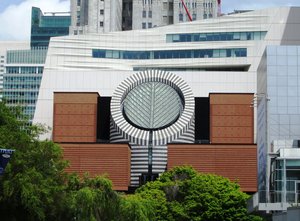
在 David Park 留下的所有原作中,最著名的当属收藏于 旧金山 旧金山美术馆 的《Allegory of Music: Solemnity (1936)》。 紧随其后的是 The Jazz Musicians (1954) 和 Sunbather (1953)。 我们的目录收录了 David Park 的 13 件作品;画廊完整保留了 11 件享誉世界的杰作,并为每一件作品详细标注了创作日期、馆藏机构及其背后的故事。

1911 – 1960, Boston Bay area figurative 藏品最多:旧金山美术馆

David Park 的十大名画:画廊精选

1
Allegory of Music: Solemnity (1936) 由 David Park

Allegory of Music: Solemnity

1936 · Photography · 旧金山美术馆, 旧金山

In "Allegory of Music: Solemnity" by David Park, the focus rests entirely upon a single piece of millinery. This white fabric cap, or bonnet, sits centered in the frame, anchored by a simple wooden stand. The object is captured from a slightly elevated side view, revealing the architecture of its construction. Radial pleating and gathered folds create a rhythmic texture across the textile, suggesting a quiet, frozen movement. The cream-colored…

2
The Jazz Musicians (1954) 由 David Park

The Jazz Musicians

1954 · Oil On Canvas · 史丹福大學坎托藝術中心, 斯坦福

The air in the room feels thick with the heat of a live performance. On stage, the musicians are caught in a moment of pure, rhythmic motion. A trombone player takes center stage, his body leaning into the instrument as he pushes a swell of notes into the room. Nearby, a trumpet player adds his own sharp, brassy voice to the melody, while a drummer maintains the heartbeat of the…

5
Two Bathers (1958) 由 David Park

Two Bathers

1958 · Oil On Canvas · 旧金山现代艺术博物馆, 旧金山

Two Bathers is an oil on canvas created by David Park. The work emerged in 1958, a moment when the artist had already turned his hand away from pure abstraction to reclaim the human form. This painting captures a specific slice of existence through thick, deliberate strokes of oil.

David Park 系列持续更新,第 11 至 11 项

令 David Park 驻足的创作主题

这些原作中反复出现的四个主题,各有一个最杰出的范例。

收藏有 David Park 原作的博物馆

收藏了本页中大部分画作的 3 家博物馆。

博物馆 城市 David Park 的作品 此列表中的画作
旧金山美术馆, 旧金山旧金山美术馆 旧金山 2 Allegory of Music: Solemnity, Allegory of Music: The Muses
史丹福大學坎托藝術中心, 斯坦福史丹福大學坎托藝術中心 斯坦福 1 The Jazz Musicians
旧金山现代艺术博物馆, 旧金山旧金山现代艺术博物馆 旧金山 1 Two Bathers

David Park 的年度历程:定义其艺术风格的原创之作

从 1936 到 1959,David Park 创作了 24 年:本精选系列按年份追溯其漫长的艺术生涯,呈现其最杰出的原创佳作。

年度作品数量

选择年份以查看原作。

藏家关于 David Park 作品的常见问题

David Park 最著名的作品是哪一件?揭晓答案

Allegory of Music: Solemnity (1936),旧金山美术馆, 旧金山。紧随其后的是 The Jazz Musicians (1954) 和 Sunbather (1953)。

创作 Allegory of Music: Solemnity 时,David Park 是多少岁?揭晓答案

25岁:Allegory of Music: Solemnity创作于1936年,David Park出生于1911年。

David Park 最著名的十幅画作是什么?揭晓答案

Allegory of Music: Solemnity, The Jazz Musicians, Sunbather, Woman with Red Mouth, Two Bathers, Allegory of Music: The Muses, Two Flutists in Yellow, Two Violinists, Beach Profile 及 Head。上方排名显示了每件作品的创作年份及馆藏机构。

David Park 留下了多少幅画作?揭晓答案

我们的目录收录了 13 件 David Park 的作品,创作年代从 1936 年至 1959 年。

David Park 的杰作收藏在哪些博物馆中?揭晓答案

多见于 旧金山美术馆 (旧金山), 史丹福大學坎托藝術中心 (斯坦福) 及 旧金山现代艺术博物馆 (旧金山)。上方的博物馆列表列出了所有相关机构。

David Park 在哪些年份创作了最著名的作品?揭晓答案

在 1936 期间:本页 11 件作品中有 2 件创作于该时期,其中包含 Allegory of Music: Solemnity 件作品。

David Park 的首件与末件名作原件分别是哪几件?揭晓答案

在本页面中,最早的作品创作于 Allegory of Music: Solemnity (1936),最晚的创作于 Head (1959)。

David Park 最常用的技法是什么?揭晓答案

Oil On Canvas,共计 2 件(本页共有 11 件作品)。

David Park 属于哪种艺术流派?揭晓答案

根据本页面的原作,Bay area figurative

哪些 David Park 的作品在 旧金山美术馆 展出?揭晓答案

Allegory of Music: Solemnity 及 Allegory of Music: The Muses:旧金山美术馆, 旧金山收藏了本页中 2 件作品。

David Park:生平与作品

The Genesis of a Visionary


Born in the historic atmosphere of Boston in 1911, David Park’s artistic journey was anchored by a profound respect for the structural essence of life. His early years at Boston University, studying under the legendary George Bridgman, instilled in him an unparalleled understanding of anatomy and the rhythmic power of gesture. This foundational discipline provided the skeletal strength upon which he would later drape his most vibrant explorations of color. As he moved westward to the Otis Art Institute in Los Angeles, Park began to absorb the expansive light and energy of the American West, setting the stage for a transformation that would eventually challenge the very foundations of contemporary painting.

The Great Stylistic Revolution


For much of his early career, Park navigated the complex territories of abstraction, yet the year 1949 marked a seismic turning point in both his practice and his soul. In a move that stunned the San Francisco art community, he staged a dramatic departure from pure abstraction, choosing instead to reclaim the human figure as a central protagonist in his work. This was not a mere return to tradition, but the birth of the Bay Area Figurative Movement—a bold, modern reclamation of subject matter. Alongside luminaries such as Elmer Bischoff and Richard Diebenkorn, Park sought to bridge the gap between the visceral energy of abstract expressionism and the recognizable world. His new direction was defined by a unique synthesis of elements:
  • Expressive brushwork that captured the immediate pulse of life;
  • Flattened planes of color that emphasized the tactile reality of the canvas;
  • A humanist focus on the beauty found within everyday, unadorned moments.


The Soul in the Subject


Park’s mature work is a celebration of the palpable and the profound, often finding extraordinary depth in the most intimate of settings. His canvases breathe with the vitality of The Jazz Musicians and the quiet, sun-drenched vulnerability of his many nude studies. Through a masterful use of bold palettes and textured forms, he transformed scenes of daily life—a woman bathing or a simple landscape—into evocative meditations on the human condition. There is an unmistakable immediacy in his technique; his gestural strokes do not merely depict a subject but seem to enact it, inviting the viewer to feel the warmth of the light and the weight of the atmosphere. In doing so, Park achieved something rare: he captured the psychological resonance of a moment, ensuring that his legacy would remain as vibrant and enduring as the colors he so passionately applied to his canvas.