David De Coninck 肖像

David De Coninck 作品:画廊视角下的 17 幅名作

更新于 November 2026 · 基于我们的流行度评分排名(每件作品的搜索量、访问量及订单量) · 18 件 David De Coninck 作品收录于我们的目录中

简而言之

在画廊看来,David De Coninck 最著名的作品是 Atribuido A David De Coninck ) (1636)。 (antwerp Brussels) (1699) 与 Circle Of David De Coninck ) (1701) 共同构成了那组令人过目不忘的艺术三部曲。 在我们的目录中,David De Coninck 共有 18 件作品,画廊为您精选了以下 17 件最著名的原作,并详细列出了每件作品的创作年份、馆藏机构及其独特之处。

1644 – 1701, Antwerp Baroque 藏品最多:国家美术馆

画廊中 David De Coninck 的十大名画

1
Atribuido A David De Coninck ) (1636) 由 David De Coninck

Atribuido A David De Coninck )

1636 · Oil

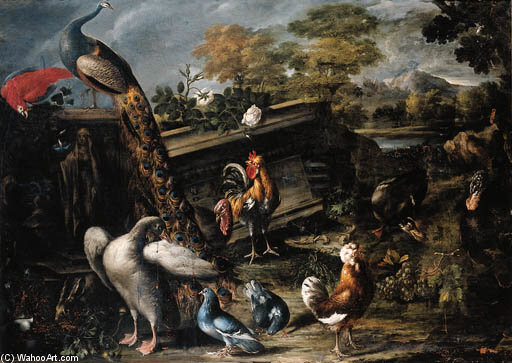
A peacock holds the center of this garden scene, its blue plumage catching the light amidst a tangle of leaves. The bird’s tail feathers spread with a heavy, organic weight, casting shadows against the lush greenery. Around this central figure, life moves in small, distinct bursts of color. A red bird, perhaps a parrot, sits to the left, its feathers a sharp contrast to the deep greens of the background.…

2
(antwerp Brussels) (1699) 由 David De Coninck

(antwerp Brussels)

1699 · Oil

In (antwerp Brussels) by David De Coninck, a quiet moment unfolds within a naturalistic outdoor setting. A group of chickens occupies the foreground, their presence marked by prominent red combs and wattles that catch the light. Nearby, several rabbits inhabit the scene in various poses. One rabbit lies resting upon the dirt ground, while another stands upright, its long ears alert as it faces the viewer. The earth beneath them…

4
ad Birds and Game with Gun Dogs and a Little Owl 由 David De Coninck

ad Birds and Game with Gun Dogs and a Little Owl

Oil On Canvas · 国家美术馆, 伦敦

A heavy silence settles over the scene, broken only by the stillness of the fallen. In the fading light of a setting sun, three hunting dogs rest beside an overflowing basket of game. The animals are caught in moments of quietude: one sniffs the earth, another stares into the distance, and a third watches a small owl. This owl, a common decoy, stares back with unblinking eyes. Beneath the dogs,…

David De Coninck 的画作,排名第 11 至 17

David De Coninck 的传世名作,按时期分类

令 David De Coninck 驻足的创作主题

这些原作中反复出现的四个主题,各有一个最杰出的范例。

收藏有 David De Coninck 原作的博物馆

收藏了本页中大部分画作的 3 家博物馆。

博物馆 城市 David De Coninck 的作品 此列表中的画作
国家美术馆, 伦敦国家美术馆 伦敦 1 ad Birds and Game with Gun Dogs and a Little Owl
南特美术馆, 南特南特美术馆 南特 1 Still life with fighting cat and parrot
华沙国家博物馆, 华沙华沙国家博物馆 华沙 1 The hunter's trophy with a dog and an owl.

David De Coninck,年度代表作

此页面中 David De Coninck 的原作创作于 3 年间,即 1699 年至 1701 年:画廊展示了各时期的代表之作。

年度作品数量

选择年份以查看原作。

David De Coninck 的画作:画廊解答

哪幅 David De Coninck 的画作最为闻名?揭晓答案

Atribuido A David De Coninck ) (1636)。紧随其后的是 (antwerp Brussels) (1699) 和 Circle Of David De Coninck ) (1701)。

David De Coninck 最受欢迎的 10 幅画作是哪些?揭晓答案

Atribuido A David De Coninck ), (antwerp Brussels), Circle Of David De Coninck ), ad Birds and Game with Gun Dogs and a Little Owl, Still life with fighting cat and parrot, River Scene with Ducks and Geese Being Attacked, A peacock, turkey, rabbits, and cockerel in a landscape, Poultry and Cat, Ostentatious still life with dog and parrot 及 Animals in a Garden。上方排名显示了每件作品的创作年份及馆藏机构。

David De Coninck 创作了多少件作品?揭晓答案

我们的目录收录了 18 件 David De Coninck 的作品,创作年代从 1699 年至 1701 年。

David De Coninck 最著名的原作收藏于何处?揭晓答案

多见于 国家美术馆 (伦敦), 南特美术馆 (南特) 及 华沙国家博物馆 (华沙)。上方的博物馆列表列出了所有相关机构。

David De Coninck 最早和最晚的代表作有哪些?揭晓答案

在本页面中,最早的作品创作于 (antwerp Brussels) (1699),最晚的创作于 Circle Of David De Coninck ) (1701)。

David De Coninck 最常创作的主题是什么?揭晓答案

Animals (3), Birds (2) 及 Cats (2),共计 17 件作品。

David De Coninck 最常用的创作媒介是什么?揭晓答案

Oil,共计 2 件(本页共有 17 件作品)。

David De Coninck 属于哪种艺术流派?揭晓答案

根据本页面的原作,Baroque

David De Coninck:艺术家

David de Coninck: A Flemish Baroque Visionary

David de Coninck (1636-1699), born in Antwerp, Belgium, stands as a pivotal figure within the flourishing Baroque artistic landscape of 17th-century Flanders. Though biographical details remain somewhat sparse – largely due to the era’s penchant for prioritizing artistic output over personal narratives – his legacy endures through an impressive oeuvre characterized by dramatic animal hunting scenes and exquisitely rendered still lifes that capture the grandeur and complexity of the period. His work exemplifies the Baroque aesthetic's obsession with dynamism, emotion, and meticulous observation of nature, cementing his place among the most celebrated artists of his time.
  • Early Life & Training: De Coninck’s formative years were spent in Antwerp, a city renowned for its artistic patronage during the Habsburg reign. Precise information regarding his formal training is elusive, but it's believed he honed his skills under the tutelage of Peter Paul Rubens, arguably the most influential painter of the Baroque era – a connection that undoubtedly shaped his stylistic sensibilities and instilled within him a profound appreciation for monumental composition and vibrant color palettes.
  • Style & Technique: De Coninck’s artistic style is instantly recognizable by its masterful execution and unwavering commitment to Baroque principles. He employed a technique known as chiaroscuro—the dramatic interplay of light and shadow—to sculpt forms with breathtaking realism, creating scenes brimming with palpable energy and conveying profound psychological depth. His brushstrokes were deliberate and confident, layering pigments with painstaking accuracy to achieve textures that mirrored the surfaces he depicted.
  • Notable Works: Among his most celebrated paintings are “Still Life with Fighting Cat and Parrot,” a captivating depiction of animal behavior imbued with symbolic significance—the parrot representing wisdom and erudition, while the cat embodies cunning and vigilance. Similarly impressive is "Atribuido A David De Coninck," showcasing an opulent arrangement of fruits, flowers, and architectural elements that exemplify the Baroque fascination for illusionistic perspective and decorative richness.
  • Influence & Legacy: De Coninck’s influence extended beyond his own lifetime, impacting subsequent generations of Flemish artists. His meticulous observation of nature and masterful use of chiaroscuro served as inspiration for painters like Johann Georg Schäffer and Jacob Savery, establishing him as a cornerstone of Baroque artistic tradition.
  • Historical Significance: David de Coninck’s contribution to the Baroque canon is undeniable. He embodies the spirit of his era—a period marked by intellectual curiosity, religious fervor, and an unprecedented surge in artistic creativity. His paintings continue to resonate with audiences today, offering a glimpse into the visual culture of Antwerp during its golden age and demonstrating the enduring power of art to convey emotion and illuminate human experience.

Further Exploration

For deeper insights into David de Coninck’s artistic achievements and broader context within Baroque art history, consider visiting Bibliothèque de l'Institut de France, where you can discover rare books and manuscripts related to Flemish painting. Alternatively, explore online resources dedicated to David de Coninck’s work at david de koninck.