康斯坦丁·布兰库西 肖像

45 幅最著名的 康斯坦丁·布兰库西 作品,每一件都独一无二

更新于 November 2026 · 基于我们的流行度评分排名(每件作品的搜索量、访问量及订单量) · 45 件 康斯坦丁·布兰库西 作品收录于我们的目录中

简而言之

The Kiss (1912) 是康斯坦丁·布兰库西最受瞩目的画作。 随后,目光会移向 The Kiss (1910) 和 The cock (1924)。 在 康斯坦丁·布兰库西 的 45 件作品中,这 45 件最为闻名;每一件都是独一无二的原作,并附有创作年份、馆藏机构及其经久不衰的原因。

1876 – 1957, 赫德勒马什 Abstract art 藏品最多:纽约现代艺术博物馆

画廊视角下的 康斯坦丁·布兰库西 十大名作

1
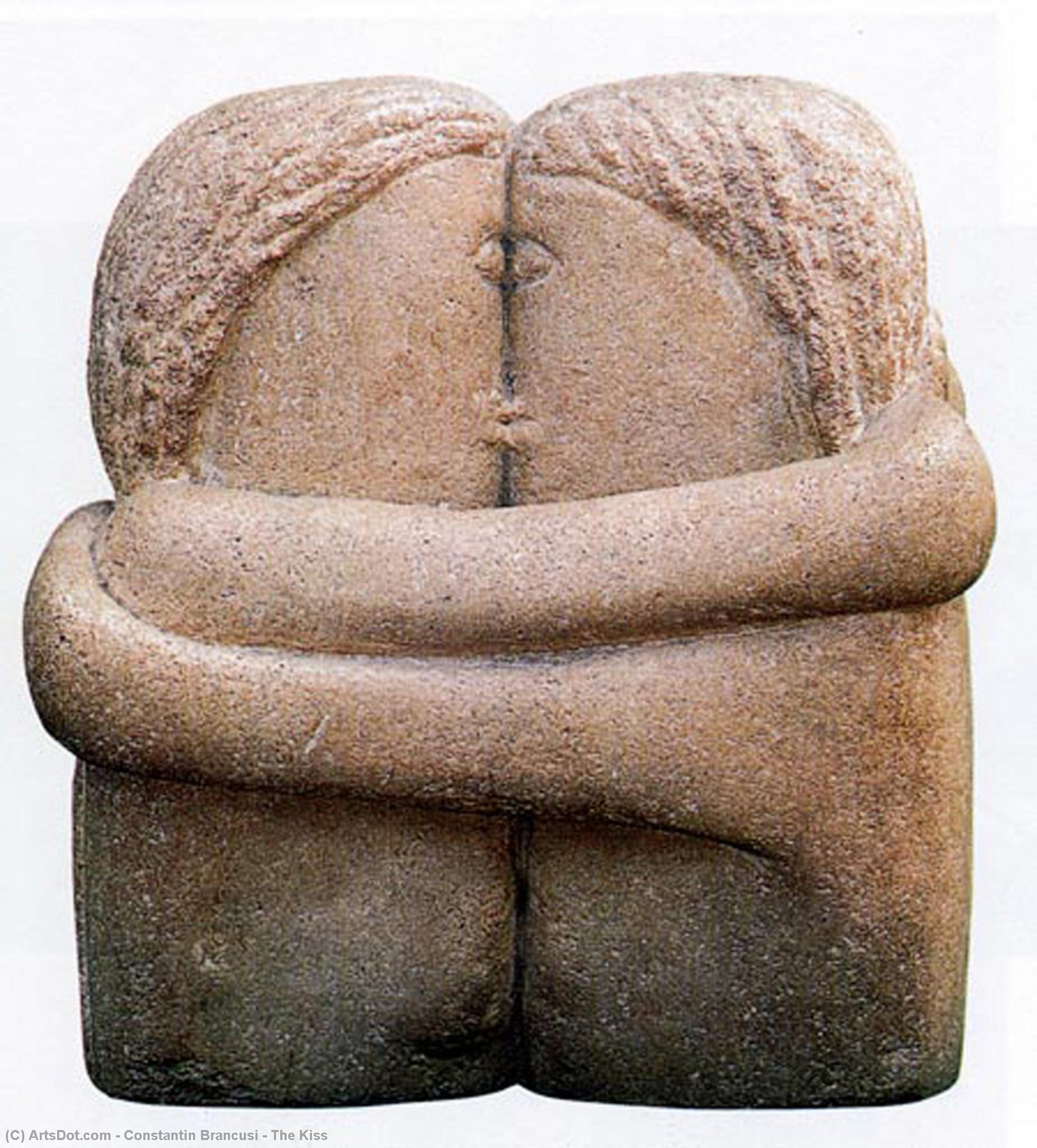
The Kiss (1912) 由 康斯坦丁·布兰库西

The Kiss

1912 · Stone

Introduction to Expressionism and Constantin Brancusi Expressionism is a modernist movement that emerged in the early 20th century, primarily in Northern Europe. The term was first used by art critic and historian, Wilhelm Worringer, in 1911 to describe the works of artists who were more interested in expressing their inner emotions and experiences than in accurately depicting physical reality. Expressionism developed as a reaction against positivism and other artistic styles…

2
The Kiss (1910) 由 康斯坦丁·布兰库西

The Kiss

1910 · Carved

In the realm of modern sculpture, few works possess the profound, quiet power of Constantin Brâncuși’s The Kiss. At first glance, the viewer is met with a singular, monumental form—a block of stone that seems to pulse with an internal life. This is not merely a depiction of two lovers; it is a masterful distillation of human connection into its most primal and geometric essence. Brâncuși, a pioneer who sought…

3
The cock (1924) 由 康斯坦丁·布兰库西

The cock

1924 · Sculpture Bronze · 纽约现代艺术博物馆, 纽约

To stand before Constantin Brâncuși’s The Cock is not merely to view a sculpture; it is to witness the very distillation of motion into immutable form. Created in 1924, this bronze masterpiece transcends the mere depiction of an avian creature. Instead, Brâncuși has captured the exhilarating moment of ascent—the pure, unburdened spirit of flight itself. The work confronts the viewer with a highly abstracted vision, stripping away the superfluous details…

4
Mlle. Pogany II (1920) 由 康斯坦丁·布兰库西

Mlle. Pogany II

1920 · Gold · MAM Rio, 里约热内卢

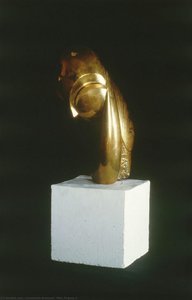
In the realm of modern sculpture, few works possess the ethereal magnetism of Mlle. Pogany II. Created in 1920 by the Romanian master Constantin Brâncuși, this exquisite piece serves as a profound testament to the power of simplification. At first glance, the viewer is met with a silhouette that seems to transcend the physical weight of its medium, offering instead a fluid, rhythmic grace. While many artists of the early…

5
Bird in Space (1923) 由 康斯坦丁·布兰库西

Bird in Space

1923 · Bronze · 国家美术馆, 华盛顿

The creation of Bird in Space by Constantin Brâncuși represents a profound commitment to a single, evolving idea. Known in the artist's native Romanian as Pasărea în văzduh, this series of sculptures emerged from a deep desire to capture movement rather than the physical anatomy of a bird. The original work was created in 1923, marking a significant moment in the artist's pursuit of spiritual abstraction through form.

6
Torso of a Young Girl (1922) 由 康斯坦丁·布兰库西

Torso of a Young Girl

1922 · Stone

Constantin Brâncuși’s Torso of a Young Girl, created about 1922, presents a white stone sculpture that emphasizes the essential form of the human figure. The work functions as a representation of a young girl's torso, though its contours suggest the presence of a head. This duality creates a tension between anatomical recognition and abstract geometry.

7
The Kiss (1912) 由 康斯坦丁·布兰库西

The Kiss

1912 · Stone

The Kiss is a sculpture by the Romanian Modernist sculptor Constantin Brâncuși. This work depicts two figures locked in an intimate embrace. It is a piece that captures a sense of profound unity through its simplified, block-like form. The sculpture is dated 1912.

8
Madame LR (Portrait de Mme LR) (1918) 由 康斯坦丁·布兰库西

Madame LR (Portrait de Mme LR)

1918 · Wood

The presence of Madame LR (Portrait de Mme LR) commands attention through its quiet, organic weight. Created by the sculptor Constantin Brâncuși, this rare wooden portrait emerges from the grain of the material to offer a glimpse into a specific, singular moment of form. The wood carries the marks of the artist's hand, holding a life that feels both ancient and immediate. It is a work that breathes through its…

康斯坦丁·布兰库西 的名画,第 11 至 45 幅

令 康斯坦丁·布兰库西 驻足的创作主题

这些原作中反复出现的四个主题,各有一个最杰出的范例。

收藏有 康斯坦丁·布兰库西 原作的博物馆

收藏了本页中大部分画作的 3 家博物馆。

博物馆 城市 康斯坦丁·布兰库西 的作品 此列表中的画作
纽约现代艺术博物馆, 纽约纽约现代艺术博物馆 纽约 1 The cock
MAM Rio, 里约热内卢MAM Rio 里约热内卢 1 Mlle. Pogany II
国家美术馆, 华盛顿国家美术馆 华盛顿 1 Bird in Space

跨越数十载的 康斯坦丁·布兰库西:每一件皆为独一无二的原作

各年代作品数量

选择一个年代,探索定义该时代的原创杰作。

康斯坦丁·布兰库西 的画作:画廊常见问题

康斯坦丁·布兰库西 最著名的代表作是什么?揭晓答案

The Kiss (1912)。紧随其后的是 The Kiss (1910) 和 The cock (1924)。

康斯坦丁·布兰库西 是在多少岁时创作了 The Kiss?揭晓答案

36岁:The Kiss创作于1912年,康斯坦丁·布兰库西出生于1876年。

康斯坦丁·布兰库西 最著名的十幅画作是哪些?揭晓答案

The Kiss, The Kiss, The cock, Mlle. Pogany II, Bird in Space, Torso of a Young Girl, The Kiss, Madame LR (Portrait de Mme LR), Bird in Space 及 Fish。上方排名显示了每件作品的创作年份及馆藏机构。

已知 康斯坦丁·布兰库西 有多少件作品?揭晓答案

我们的目录收录了 45 件 康斯坦丁·布兰库西 的作品,创作年代从 1907 年至 1943 年。

在哪里可以欣赏到最著名的 康斯坦丁·布兰库西 原作?揭晓答案

多见于 纽约现代艺术博物馆 (纽约), MAM Rio (里约热内卢) 及 国家美术馆 (华盛顿)。上方的博物馆列表列出了所有相关机构。

康斯坦丁·布兰库西 的代表作创作于哪个时期?揭晓答案

在 1910s 期间:本页 45 件作品中有 16 件创作于该时期,其中包含 The Kiss 件作品。

哪幅 康斯坦丁·布兰库西 的名作创作年代最早,哪幅最晚?揭晓答案

在本页面中,最早的作品创作于 The Prayer (1907),最晚的创作于 The Seal (1943)。

康斯坦丁·布兰库西 偏好哪些题材?揭晓答案

Sculpture (5), Stone (4) 及 Body (4),共计 45 件作品。

康斯坦丁·布兰库西 最常使用哪些材料进行创作?揭晓答案

Stone,共计 3 件(本页共有 45 件作品)。

康斯坦丁·布兰库西 的作品属于哪种艺术流派?揭晓答案

根据本页面的原作,Abstract art

康斯坦丁·布兰库西:艺术家肖像

形式之精髓:康斯坦丁·布兰库西的生命与传承

在现代雕塑的历史长河中,康斯坦丁·布兰库西(Constantin Brâncuși)无疑是一座巍然屹立的丰碑。他以其开创性的形式语言和对艺术表达纯粹本质的执着追求,赢得了全球艺术界的崇高敬意。1876年,布兰库西出生于罗马尼亚的赫德勒马什,从此开启了一段从平凡出身走向抽象艺术先驱的非凡旅程。他的早年岁月深深植根于罗马尼亚民间传说与神话的纹理之中,这种文化底蕴赋予了他对有机形态和象征性表达的终身热爱。这种与故土遗产的深刻连接,后来渗透进他的艺术视野,为他的作品注入了一种精神深度,使其在面对同时代艺术家那些纯粹机械化的抽象作品时,显得格外独特且富有生命力。

布兰库西的艺术轨迹在1906年至1914年旅居巴黎期间经历了深刻的蜕变。置身于蓬勃发展的先锋派艺术场景中,他与“巴黎画派”那充满活力的能量展开对话,这种交流推动他向着愈发简约、极简的形式迈进。尽管他早期的艺术探索仍包含具象雕塑——尤其是那些展现了对现实主义坚守的罗马尼亚农民肖像——但他很快便果断地转向了其作品中标志性的风格特征:对“精神性抽象”的追求。布兰库西曾留下过那句著名的宣言:“我雕刻我所见之物,但我也同时雕刻我所梦之物。” 正是这种信念,驱动他将形式置于装饰之上,力求通过简化的几何形状来捕捉普世的概念。

对材质与象征主义的精湛掌控

布兰库西的天才之处在于他能够驾驭大理石、青铜和木材等多种迥异的材质,以此唤起深层的情感共鸣。他的技艺不仅仅在于雕刻或铸造,更在于揭示媒介内部蕴含的灵魂。在《吻》等杰作中,他利用抛光青铜呈现出交织在一起的人物形象,通过那种如原石般原始而简约的块状结构,创造出一件体现亲密感与永恒之美的传世之作。这种在重量感与优雅感之间寻找平衡的能力,在他那些更为空灵的创作中也体现得淋漓尽致。

他对运动与超越性的探索在《空间中的鸟》系列中达到了巅峰。这些雕塑以向上弯曲的弧线和微妙的平衡感为特征,呈现出一种仿生学意义上的飞行意象,象征着人类的志向与灵魂的升华。除了对天际境界的追求,布兰库西也在大地与宁静之中发现了深邃的意义。他的作品《白衣黑人 II》利用极简的大理石来体现二元性与安详;而《沉睡的缪斯 II》则展示了一个带有金色光泽、令人着迷的青铜形态,通过平滑且不间断的线条,捕捉到一种深沉的平和感。

历史意义与现代主义革命

康斯坦丁·布兰库西的历史地位无法被低估;他是一位重新定义了雕塑边界的先驱。通过剥离冗余,他为20世纪的大量抽象艺术铺平了道路。他的影响力可以从以下几个关键的艺术发展进程中寻得踪迹:

  • 形式的简化: 他使雕塑脱离了罗丹式的叙事性与解剖学复杂性,转向了一种纯粹几何语言的表达。
  • 材质性的整合: 他对石材、木材和金属固有属性的尊重,影响了几代现代主义者,使他们开始将材料本身视为创作的核心主题。
  • 底座的概念: 布兰库西经常将雕塑的基座视为艺术品的一部分,从而模糊了作品本身与周围环境之间的界限。

归根结底,布兰库西留下的遗产是一种深刻的简化主义。他创造的不单纯是物件,而是现代主义的图腾,其静谧的力量与精神的清晰度至今仍能引起人们的共鸣。通过对美之本质的执着追求,他改变了当代艺术的版图,留下了一系列即便在今天看来依然充满生命力与感染力的艺术瑰宝。