


1

A Girl with a Lute
A Girl with a Lute is a painting by Bartolomeo Veneto. Dated 1520, this work is also known by the alternative title Lady Lutanist. The subject of the portrait is a girl playing a lute.

更新于 November 2026 · 基于我们的流行度评分排名(每件作品的搜索量、访问量及订单量) · 45 件 巴托洛梅奥·维内托 作品收录于我们的目录中
简而言之
A Girl with a Lute (1520) 是 巴托洛梅奥·维内托 最受瞩目的画作;原作收藏于 波士顿 的 伊莎贝拉·斯图尔特·加德纳博物馆。 随后,目光会移向 Lady Playing a Lute (1530) 和 Portrait of a Gentleman (1512)。 在 巴托洛梅奥·维内托 的 45 件作品中,这 43 件最为闻名;每一件都是独一无二的原作,并附有创作年份、馆藏机构及其经久不衰的原因。
A Girl with a Lute is a painting by Bartolomeo Veneto. Dated 1520, this work is also known by the alternative title Lady Lutanist. The subject of the portrait is a girl playing a lute.

The portrait titled Lady Playing a Lute is a work attributed to Bartolomeo Veneto and his workshop. It depicts an unidentified young woman engaged with her instrument. This painting belongs to a specific series of works by Bartolomeo Veneto, which features various unidentified female sitters captured in the act of playing the lute. In some variations of this composition, the lute is replaced by a wheel, transforming the subject into…

The Portrait of a Gentleman is an oil on canvas work by the artist Bartolomeo Veneto. Created in 1512, the painting captures a singular presence through a vertical orientation. The figure is framed within a space of 73 x 58 cm, a scale that invites a close, quiet observation of the sitter's features and attire.

In this portrait from 1512, we encounter a man whose very posture commands a quiet authority. He is positioned centrally, his body turned slightly to his left, meeting our gaze with a serious and dignified expression. There is a stillness here, a moment of composure captured through the meticulous application of oil paint. The subject is draped in the heavy, luxurious textures of the Renaissance, from the soft fur of…

The Portrait of a Lady as Mary Magdalen is a work by the Italian painter Bartolomeo Veneto. Created in 1520, this oil on wood panel presents a serene and elegant Renaissance portrait of a woman. The subject's quiet dignity suggests she is a representation of Mary Magdalene. She sits in a medium close-up, her form emerging from a dark, atmospheric green background.

The air feels heavy with the scent of old wood and incense as we gaze upon this 1520 composition. A woman, likely Saint Catherine, emerges from a dark, textured void, her presence commanding yet serene. Her long, wavy hair is delicately adorned with small white flowers that seem to catch a stray beam of light. She wears a dark garment, its neckline heavy with intricate embroidery that speaks of a…

A three-quarter view captures a man positioned against a landscape, his gaze meeting the viewer with a steady, direct confidence. He is dressed in dark attire accented by a crisp white collar, a costume suggesting the status of a nobleman or high-ranking official. A heavy red curtain drapes dramatically on the left, partially obscuring a view of a distant town nestled along a riverbank. This composition creates a layered sense…

This portrait, titled Saint Catherine, is attributed to the Italian painter Bartolomeo Veneto. It represents a significant moment in the artist's development, dating from approximately 1510–1520. During this period, Veneto was refining his ability to capture the subtle nuances of his subjects, moving toward a style that would eventually reflect the influence of Leonardo da Vinci.

The painting presents a man positioned in a half-length view against a deep red background. He wears a dark suit and a heavy coat, layered to suggest formal attire. A hat rests upon his head, decorated with a single feather that extends upward. Around his neck, a metallic chain is visible, catching the light against the fabric of his clothing. The man possesses a beard and a mustache, and his…

The Portrait of a Bearded Gentleman is an oil on panel work by the artist Bartolomeo Veneto. Created in 1508, this portrait captures a man from the Renaissance era. The subject is rendered with a focus on the textures of his clothing and the steady gaze of his eyes. Every detail of the man's status is held within the pigment, from the heavy folds of his cloak to the subtle…
 Portrait of Bernardino Da Lesmo1530
12
 Lodovico Martinengo1530
13
 Portrait of a Noble Lady加拿大国家美术馆
14
 LA CIRCONCISION卢浮宫
15
 Portrait of jewish woman with attributes of joele
16
 Portrait of a Man底特律艺术学院
17
 Saint Catherine of Alexandria波士顿美术馆
18
 Madonna and Child
19
 Francesco Maria Della Rovere
20
 Young Woman as Saint Catherine
21
 LA VIERGE ET L'ENFANTMusée du Petit Palais
22
 Madonna with child柏林国家美术馆
23
 Ritratto Di Gentiluomo
24
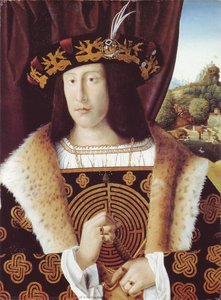 Portrait of a Noble ManFitzwilliam 学院
25
 Ritratto Di Gentiluomo布达佩斯美术博物馆
26
 Beatrice d'Este
27
 Portrait of a Lady
28
 John the Baptist
29
 Portrait of a Man宾夕法尼亚美术学院
30
 St. Catherine of Alexandria
31
 Madonna della pera
32
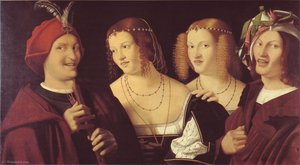 Four characters laughing
33
 Madonna with child
34
 Madonna with child
35
 Portrait of young gentleman克利夫兰艺术博物馆
36
 Portrait of a ManFitzwilliam 学院
37
 Portrait of a gentlewoman休斯顿美术馆
38Portrait of a Woman1520 · 施泰德尔博物馆
39
 Woman Playing a Lute1520 · 布雷拉畫廊
40
 Portrait of a Young Lady国家美术馆
41
 Lodovico martinengo国家美术馆
42
 Salome with the tesa del battista德累斯顿国家艺术收藏馆
43
 Circoncision
这些原作中反复出现的四个主题,各有一个最杰出的范例。
收藏了本页大部分画作的 8 家博物馆。
| 博物馆 | 城市 | 巴托洛梅奥·维内托 的作品 | 此列表中的画作 |
|---|---|---|---|
 休斯顿美术馆 |
休斯顿 | 2 | A Man, Portrait of a gentlewoman |
 Fitzwilliam 学院 |
Cambridge | 2 | Portrait of a Noble Man, Portrait of a Man |
 国家美术馆 |
伦敦 | 2 | Portrait of a Young Lady, Lodovico martinengo |
 伊莎贝拉·斯图尔特·加德纳博物馆 |
波士顿 | 1 | A Girl with a Lute |
 J·保罗·盖蒂博物馆 |
洛杉矶 | 1 | Lady Playing a Lute |
 国家古美术馆 |
罗马 | 1 | Portrait of a Gentleman |
 布鲁克林博物馆 |
布鲁克林 | 1 | Portrait of a Lady as Mary Magdalen |
 Kelvingrove Art Gallery and Museum |
格拉斯哥 | 1 | Saint Catherine |
选择一个年代,探索定义该时代的原创杰作。
The Portrait of a Gentleman is an oil on canvas work by the artist Bartolomeo Veneto. Created in 1512, the painting captures a singular presence through a vertical orientation. The figure is framed within a space of 73 x 58 cm, a scale that invites a close, quiet observation of the sitter's features and attire.
A Girl with a Lute is a painting by Bartolomeo Veneto. Dated 1520, this work is also known by the alternative title Lady Lutanist. The subject of the portrait is a girl playing a lute.
The portrait titled Lady Playing a Lute is a work attributed to Bartolomeo Veneto and his workshop. It depicts an unidentified young woman engaged with her instrument. This painting belongs to a specific series of works by Bartolomeo Veneto, which features various unidentified female sitters captured in the act of playing the lute. In some variations of this composition, the lute is replaced by a wheel, transforming the subject into…
A Girl with a Lute (1520),伊莎贝拉·斯图尔特·加德纳博物馆, 波士顿。紧随其后的是 Lady Playing a Lute (1530) 和 Portrait of a Gentleman (1512)。
18岁:A Girl with a Lute创作于1520年,巴托洛梅奥·维内托出生于1502年。
A Girl with a Lute, Lady Playing a Lute, Portrait of a Gentleman, A Man, Portrait of a Lady as Mary Magdalen, Saint Catherine, Portrait of a Man, Saint Catherine, Portrait of a Gentleman 及 Portrait of a Bearded Gentleman。上方排名显示了每件作品的创作年份及馆藏机构。
我们的目录收录了 45 件 巴托洛梅奥·维内托 的作品,创作年代从 1512 年至 1530 年。
多见于 休斯顿美术馆 (休斯顿), Fitzwilliam 学院 (Cambridge) 及 国家美术馆 (伦敦)。上方的博物馆列表列出了所有相关机构。
在 1520s 期间:本页 43 件作品中有 7 件创作于该时期,其中包含 A Girl with a Lute 件作品。
在本页面中,最早的作品创作于 Portrait of a Gentleman (1512),最晚的创作于 Lady Playing a Lute (1530)。
Woman (9), Man (6) 及 Virgin mary (5),共计 43 件作品。
Oil On Panel,共计 8 件(本页共有 43 件作品)。
根据本页面的原作,Renaissance 及 High renaissance
A Man 及 Portrait of a gentlewoman:休斯顿美术馆, 休斯顿收藏了本页中 2 件作品。


