

1


更新于 November 2026 · 基于我们的流行度评分排名(每件作品的搜索量、访问量及订单量) · 13 件 Barbara Balmer 作品收录于我们的目录中
简而言之
在 Barbara Balmer 留下的所有原作中,最著名的当属收藏于 爱丁堡 皇家苏格兰学院艺术与建筑展 的《Construction – San Gimignano (1994)》。 紧随其后的是 Self Portrait (1951) 和 Portrait of a Woman (1951)。 我们的目录收录了 Barbara Balmer 的 13 件作品;画廊完整保留了 13 件享誉世界的杰作,并为每一件作品详细标注了创作日期、馆藏机构及其背后的故事。
收藏了本页中大部分画作的 6 家博物馆。
| 博物馆 | 城市 | Barbara Balmer 的作品 | 此列表中的画作 |
|---|---|---|---|
 爱丁堡艺术学院 |
爱丁堡 | 2 | Self Portrait, Portrait of a Woman |
 皇家苏格兰学院艺术与建筑展 |
爱丁堡 | 1 | Construction – San Gimignano |
 New Walk Museum - Art Gallery |
莱斯特 | 1 | Domenica |
 Usher Gallery |
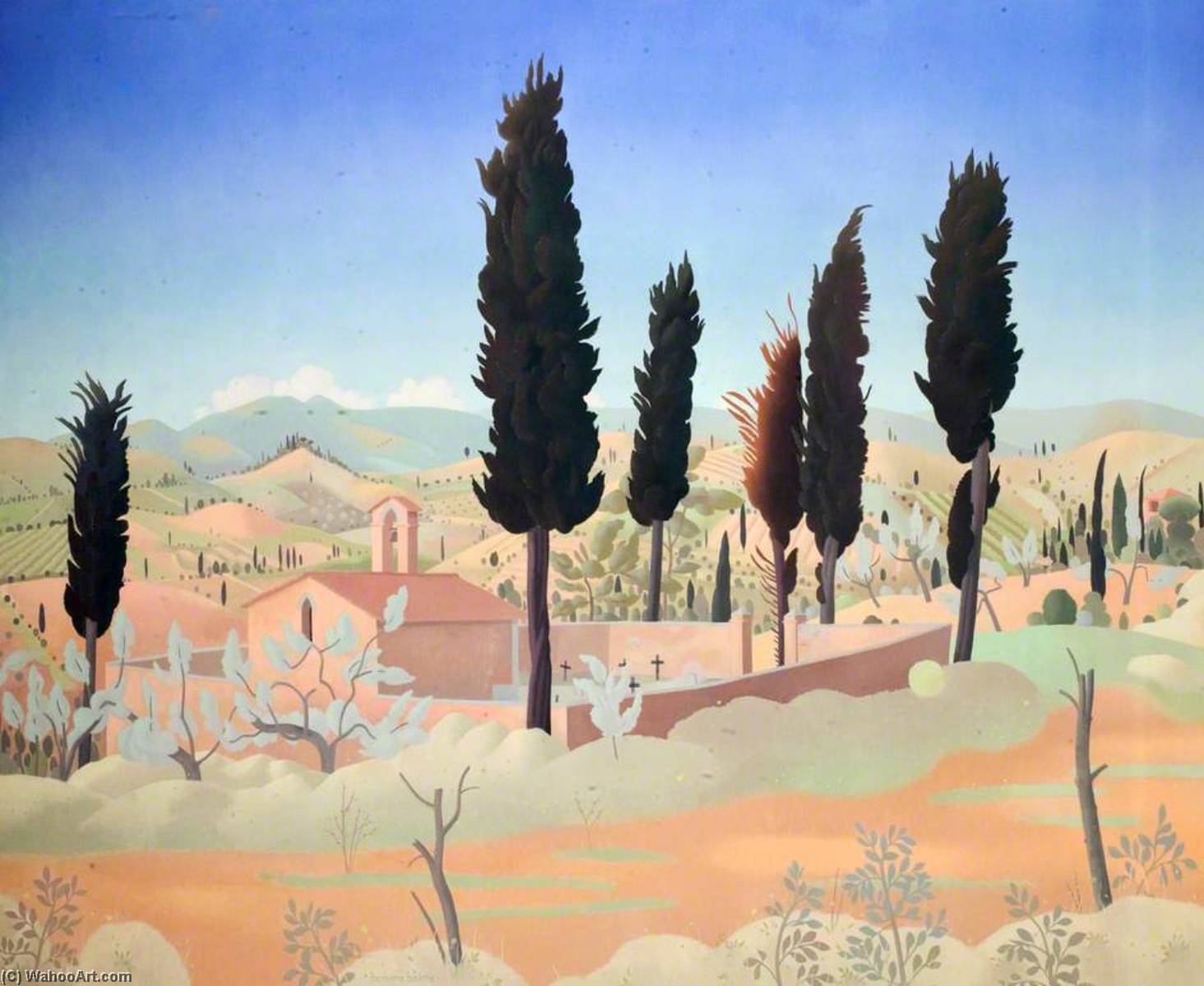
林肯 | 1 | Deserted Cemetery |
 University of Stirling |
Stirling | 1 | Frosted Window |
 苏格兰国家现代美术馆 |
爱丁堡 | 1 | April 1997 |
从 1951 到 1997,Barbara Balmer 创作了 47 年:本精选系列按年份追溯其漫长的艺术生涯,呈现其最杰出的原创佳作。
选择年份以查看原作。



The painting April 1997 by Barbara Balmer is a captivating representation of a cozy living room scene, inviting viewers to step into its serene ambiance. Measuring 105 x 111 cm, this acrylic artwork is a testament to the artist's unique style and technique. As seen on AllPaintingsStore.com, the painting features a chair, a table, and a vase filled with flowers, creating a sense of warmth and comfort. Artistic Style and…
Construction – San Gimignano (1994),皇家苏格兰学院艺术与建筑展, 爱丁堡。紧随其后的是 Self Portrait (1951) 和 Portrait of a Woman (1951)。
65岁:Construction – San Gimignano创作于1994年,Barbara Balmer出生于1929年。
Construction – San Gimignano, Self Portrait, Portrait of a Woman, View with a Room, Domenica, Deserted Cemetery, Barbara Balmer (b.1929), Artist, Self Portrait on a Frosty Friday, Ancient Landscape, Back Garden 及 Viva Federigo。上方排名显示了每件作品的创作年份及馆藏机构。
我们的目录收录了 13 件 Barbara Balmer 的作品,创作年代从 1951 年至 1997 年。
多见于 爱丁堡艺术学院 (爱丁堡), 皇家苏格兰学院艺术与建筑展 (爱丁堡) 及 New Walk Museum - Art Gallery (莱斯特)。上方的博物馆列表列出了所有相关机构。
在 1951 期间:本页 13 件作品中有 2 件创作于该时期,其中包含 Self Portrait 件作品。
在本页面中,最早的作品创作于 Self Portrait (1951),最晚的创作于 April 1997 (1997)。
Self Portrait 及 Portrait of a Woman:爱丁堡艺术学院, 爱丁堡收藏了本页中 2 件作品。
Barbara Balmer was born in Birmingham on September 23, 1929. Her path as an artist began in earnest when she moved to the Coventry School of Art, where she studied from 1946 to 1951. This period provided the technical foundation that would support her later work. Following her time in Coventry, she moved on to the Edinburgh College of Art to continue her formal training.
During the early 1950s, her perspective was shaped by life outside the classroom. A travelling scholarship allowed her to spend 1951 and 1952 studying in France and Spain. These years abroad offered her a chance to observe different light and landscapes, experiences that stayed with her throughout her career. She eventually settled into a life shared with the artist and designer George Mackie. The couple remained married for some 65 years and raised two daughters together.
Balmer’s approach to watercolor was defined by a quiet, steady hand. She moved away from heavy, dramatic strokes, choosing instead to work with delicate washes and subtle gradations of color. This method allowed her to build layers of light that felt soft and natural. Her landscapes often relied on muted hues, avoiding loud or jarring tones in favor of a palette that felt settled and calm. By combining these soft colors with strong, clear lines, she achieved a sense of reverence for the scenes she painted.
There is a meticulousness in her work that invites a slower way of looking. She paid close attention to the small details of her subjects, whether it was the way light hit a surface or the specific structure of a landscape. This precision, paired with her ability to capture a sense of stillness, meant her paintings often felt like moments of contemplation. Her work does not demand attention through intensity; it earns it through a palpable sense of tranquility that settles over the viewer.
Balmer’s presence in the Scottish art community was marked by both her active teaching and her consistent presence in exhibitions. Between 1970 and 1980, she shared her technical knowledge as a visiting lecturer at Gray’s School of Art in Aberdeen. This decade of teaching allowed her to influence a new generation of artists while she continued to develop her own practice. Her connection to the region was deep, as she lived and worked in Aberdeen and Edinburgh during various stages of her life.
Her professional standing was recognized through several prestigious memberships and exhibitions. She was elected to the Royal Scottish Academy in 1966 and was re-elected in 2005. Beyond the Academy, she was a regular contributor to the Royal Scottish Society of Painters in Watercolour. Her work also appeared frequently with the Glasgow Group, ensuring her paintings reached diverse audiences across the country.
The light and landscape of Italy left a lasting impression on Balmer. Her first significant connection to the region came during a visit with a group led by Douglas Percy Bliss. This early exposure set the stage for a much deeper connection to the Mediterranean. In 1973, a trip to Tuscany changed the direction of her work. This experience shaped her artistic vision, moving her toward the quiet, soft colors and clear lines that would define her later years.
What began as a single trip turned into a lifelong habit. She returned to Tuscany every year, making the Italian countryside a central part of her practice. The hills and light of the region became a recurring subject in her paintings. Her fascination with the Tuscan landscape grew with every visit, allowing her to capture the stillness of the countryside through her watercolors.
Balmer’s reach extended into the everyday lives of readers through her collaboration with the Virago Modern Classics series. Seven of her paintings were selected to serve as dust jackets for these editions, bringing her visual language to the covers of many books. This work allowed her compositions to meet a wide audience in a way that traditional gallery exhibitions often do not.
Her ability to capture the character of individuals is reflected in the collections held by the Scottish National Portrait Gallery. The gallery houses her portrait of Douglas Percy Bliss, as well as her portrait of Richard Demarco. These likenesses show her capacity to translate a person's presence onto a surface with quiet precision. Beyond these portraits, her work has been integrated into public spaces, such as a large mural located in Cumbernauld Town Hall.
The reach of Barbara Balmer’s art extends far beyond the borders of Scotland. While her presence is felt deeply within her home country, her paintings have found homes in various prestigious collections across Scotland and internationally. For those wishing to see her work in a public setting, several galleries hold pieces that reflect her specific way of seeing the landscape and the people around her.
In England, her work can be found in the Usher Gallery in Lincoln, as well as the New Walk Museum - Art Gallery in Leicester. These collections preserve her ability to capture light and quiet moments through her chosen mediums. Her reach into the public sphere is further evidenced by her presence in the Scottish National Portrait Gallery, which holds her portrait of Douglas Percy Bliss.
Because her work was often featured in touring exhibitions and solo shows, many of her paintings remain part of the public record in various regional galleries. This widespread distribution ensures that her quiet, observational style continues to be accessible to those who visit these institutions.


