简而言之
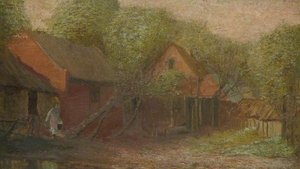
The Elbow (1897) 是Arthur Lowe最受瞩目的画作。 随后,目光会移向 Landscape with a Mill and Canal 和 Farm Buildings。 在 Arthur Lowe 的 16 件作品中,这 16 件最为闻名;每一件都是独一无二的原作,并附有创作年份、馆藏机构及其经久不衰的原因。
1915 – 1982
藏品最多:莱恩艺术馆
画廊视角下的 Arthur Lowe 十大名作
Arthur Lowe 的名画,第 11 至 16 幅
11
Kinoulton Village, NottinghamshireThe Mercer Art Gallery
12
Tollerton Lake, near NottinghamSunderland Museum - Winter Gardens
13
Old Church, Colston Bassett, Nottinghamshire
14
When the Evening Sun Is Low莱恩艺术馆
15
Still Life, Chrysanthemums莱恩艺术馆
16
Thoresby Hall, NottinghamshireBolton Museum And Art Gallery
收藏有 Arthur Lowe 原作的博物馆
收藏了本页中大部分画作的 6 家博物馆。
| 博物馆 | 城市 | Arthur Lowe 的作品 | 此列表中的画作 |
|---|---|---|---|
| 泰恩河畔纽卡斯尔 | 4 | Farm Buildings, Evening, When the Evening Sun Is Low | |
| 赫尔 | 2 | December, In Charnwood Forest, Leicestershire | |
| 诺丁汉 | 1 | Snow | |
| 哈罗盖特 | 1 | Kinoulton Village, Nottinghamshire | |
| Sunderland | 1 | Tollerton Lake, near Nottingham | |
| 博尔顿 | 1 | Thoresby Hall, Nottinghamshire |
Arthur Lowe 的画作:画廊常见问题
Arthur Lowe 最著名的代表作是什么?揭晓答案
The Elbow (1897)。紧随其后的是 Landscape with a Mill and Canal 和 Farm Buildings。
Arthur Lowe 最著名的十幅画作是哪些?揭晓答案
The Elbow, Landscape with a Mill and Canal, Farm Buildings, Autumn, Snow, Clifton Grove, Clifton Hall, Nottingham, Evening, The Canal Bend, December 及 In Charnwood Forest, Leicestershire。上方排名显示了每件作品的创作年份及馆藏机构。
已知 Arthur Lowe 有多少件作品?揭晓答案
我们的目录中收录了 16 件 Arthur Lowe 的作品。
在哪里可以欣赏到最著名的 Arthur Lowe 原作?揭晓答案
多见于 莱恩艺术馆 (泰恩河畔纽卡斯尔), Ferens Art Gallery (赫尔) 及 Nottingham Castle Museum And Art Gallery (诺丁汉)。上方的博物馆列表列出了所有相关机构。
在 莱恩艺术馆 可以看到哪些 Arthur Lowe 的原作?揭晓答案
Farm Buildings, Evening 及 When the Evening Sun Is Low:莱恩艺术馆, 泰恩河畔纽卡斯尔收藏了本页中 4 件作品。
Arthur Lowe:艺术家肖像
The Actor Who Found Stillness in the Landscape
Arthur Lowe (1915–1982) occupied a unique and evocative space in the British cultural consciousness, moving between the vibrant, commanded presence of the stage and the quiet, meditative solitude of the canvas. While many remember him as the quintessential Captain Mainwaring in the beloved wartime sitcom Dad's Army, his true artistic soul resided in the tranquil landscapes of rural England. Born in 1915, Lowe’s journey into the world of fine art was a secondary act that blossomed later in life, following a distinguished career as an actor. This dual vocation perhaps gifted him with a singular perspective; the disciplined eye of a performer, trained to observe the subtle shifts in light and shadow on a stage, became the foundation for his profound ability to capture the fleeting essence of the natural world. His transition from the spotlight of television to the quietude of Nottinghamshire and Leicestershire allowed him to develop a style that was less about grand theatricality and more about the gentle, rhythmic beauty of the English countryside.
A Master of Atmospheric Impressionism
Lowe’s approach to painting was deeply rooted in the principles of impressionism, yet he moved beyond mere imitation to create something far more personal and emotive. He eschewed the rigid constraints of meticulous detail, choosing instead to prioritize the conveyance of atmosphere and the emotional weight of a scene. His work does not strive for photographic accuracy; rather, it seeks to distill the very feeling of a place—the warmth of a summer sun resting upon a field of barley or the heavy, damp stillness of a misty morning in Sherwood Forest. Through loose, expressive brushstrokes and a seamless blending of colors, he created shimmering surfaces that seemed to vibrate with life. His palette was masterfully restrained, relying heavily on:
- Muted Earth Tones: A sophisticated use of greens, browns, and ochres to ground his landscapes in reality.
- Luminous Blues: Soft, atmospheric blues that evoke the depth of the sky and the clarity of English waterways.
- Textural Depth: Layered applications of oil that provide a sense of dimensionality and light.
The Soul of the English Countryside
The true heart of Lowe’s oeuvre lies in his profound connection to the landscapes surrounding Nottinghamshire and Leicestershire. He possessed an uncanny ability to transform ordinary, even overlooked, rural subjects into canvases brimming with poetic significance. In works such as Thoresby Hall, Nottinghamshire, he captures not just a landmark, but a sense of peace and communal joy, depicting figures moving through a parkland setting with remarkable sensitivity. His depictions of mills, canals, and ancient forests serve as a visual love letter to the English landscape, inviting the viewer to pause and appreciate the quiet majesty of the everyday. Through his eyes, the landscapes of his home became timeless, capturing a sense of heritage and tranquility that continues to resonate with art lovers today. Lowe’s legacy remains that of a quiet observer, an artist who found the extraordinary within the ordinary and left behind a collection of works that breathe with the light of a bygone era.


