安东尼奥·科拉迪尼

1668 - 1752

安东尼奥·科拉迪尼 (1668–1752) 以 Modesty 而闻名遐迩;其作品目录收录了 8 件该艺术家的作品。

概览

  • Art period: 近代早期
  • Works on this site: 8
  • Top-ranked work: Modesty
  • Nationality: 意大利
  • Best occasions: 启发对话
  • Emotional tone: 神秘
  • Topics explored:
    • woman
    • marble sculpture
    • drapery
  • Creative periods: mature period

安东尼奥·科拉迪尼 最著名的作品是哪一件?

首选 Modesty;其次是 Bust of a Veiled Woman 与 Hatchcover。

A Life in Marble: The Enigmatic World of Antonio Corradini

Antonio Corradini, a name synonymous with the breathtaking illusionism of Rococo sculpture, emerged from humble beginnings in 17th-century Venice to become one of the most celebrated artists of his time. Born in 1688, the son of a sail packer, young Antonio’s path diverged sharply from that of his father, leading him into the world of artistic creation. His early training under the sculptor Antonio Tarsia proved foundational, an apprenticeship lasting roughly four or five years – a standard duration for mastering the craft. This connection deepened when Corradini married Maria Tarsia, solidifying a familial and professional bond with a pivotal figure in Venetian sculpture. These formative years instilled not only technical skill but also a deep understanding of the artistic currents flowing through Venice, a city renowned for its opulent beauty and dramatic flair.

From Venice to Imperial Courts: A Blossoming Career

Corradini’s talent quickly blossomed, gaining recognition around 1709 with his contributions to the façade of San Stae in Venice. His formal acceptance into the *Arte dei tagliapietra* in 1711 marked a significant milestone, acknowledging him as a professional sculptor within the Venetian guild system. However, it was commissions beyond Italy that truly propelled his career onto an international stage. A pivotal period unfolded between 1716 and 1723 with extensive work for Russian and Saxon patrons. He created numerous busts and statues for Peter the Great’s summer garden in St. Petersburg, demonstrating a remarkable versatility and adaptability to diverse artistic demands. These early commissions also hinted at the signature style that would define his legacy: the veiled figure. It was during this period that Corradini began exploring the captivating effect of depicting forms beneath translucent drapery, an exploration that would reach its zenith in later works. In 1729, a new chapter commenced with his appointment as court sculptor to Charles VI in Vienna. For over a decade, he served the Habsburg court, undertaking various projects encompassing monuments and decorative sculptures, further honing his skills and expanding his artistic horizons.

The Mastery of Illusion: Veiled Figures and Rococo Sensibility

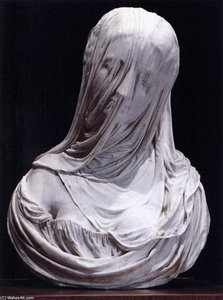
Antonio Corradini is most profoundly remembered for his exquisitely realistic depictions of draped figures, particularly women, where the contours of the body are subtly revealed beneath a seemingly weightless veil. This technique wasn’t merely skillful carving; it was an act of illusionism, pushing the boundaries of what marble could achieve. The effect captivated audiences with its delicate beauty and technical brilliance. Puritas, or Bust of a Veiled Woman (1717-1725), stands as an early exemplar of this style, showcasing remarkable detail and a profound understanding of anatomy. However, it is Modesty (La Pudicizia) (1749-1752), housed within the Cappella Sansevero in Naples, that is widely considered his masterpiece. The sculpture’s delicate veil clings to the form beneath, revealing and concealing with equal grace, embodying a captivating tension between modesty and sensuality. While Corradini designed the Veiled Christ, it was ultimately completed by Giuseppe Sanmartino after his death; nevertheless, it remains a testament to the style he pioneered. His work seamlessly blends the dramatic intensity of Baroque sculpture with the more graceful and elegant aesthetic of Rococo, drawing inspiration from classical antiquity while forging a distinctly innovative path.

Legacy and Influence: A Transition in Artistic Style

Corradini’s artistic significance lies not only in his technical virtuosity but also in his role as a transitional figure between the Baroque and Rococo movements. He built upon the dramatic energy of the former while embracing the lightness, elegance, and playful sensuality of the latter. His mastery of illusionistic techniques – particularly with the veiled figures – set him apart and profoundly influenced subsequent generations of sculptors. The ability to create such realistic illusions with marble solidified his place as one of the leading sculptors of his time. After leaving Vienna, Corradini spent his final years in Rome and Naples, continuing to refine his art until his death in 1752. His legacy endures through the stunning sculptures he left behind, captivating viewers with their technical brilliance and aesthetic appeal. His veiled figures remain iconic examples of Rococo sculpture, celebrated for their ability to evoke a sense of mystery, beauty, and profound artistic skill. They are not merely representations of form but explorations of perception itself, inviting the viewer to contemplate the delicate interplay between revelation and concealment.

趣味测试

每道题只有一个正确答案。

题目 1:
安东尼奥·科拉迪尼最著名的作品特征是什么?
题目 2:
科拉迪尼在哪个城市度过了他的晚年并最终去世?
题目 3:
科拉迪尼的作品通常被认为是哪两个艺术运动之间的过渡?
题目 4:
科拉迪尼在维也纳哈布斯堡宫廷担任什么职务?
题目 5:
哪件雕塑被认为是科拉迪尼的杰作,位于圣塞韦里礼拜堂?

问答详情

安东尼奥·科拉迪尼 的创作年份跨度为?

此处列出的 6 件 安东尼奥·科拉迪尼 的有年代作品涵盖了从 1717 年至 1750 年。点击查看 安东尼奥·科拉迪尼 的分阶段职业生涯。

安东尼奥·科拉迪尼 的绘画风格是什么?

安东尼奥·科拉迪尼 的绘画风格属于 Rococo 流派,正如其他著名的 Rococo 艺术家一样。

安东尼奥·科拉迪尼 的作品是否属于公有领域?

是的。安东尼奥·科拉迪尼逝世于1752年,其作品已进入公有领域。

安东尼奥·科拉迪尼 的享寿是多少?

安东尼奥·科拉迪尼 生于 1668 年,卒于 1752 年,享年约 84 岁。

安东尼奥·科拉迪尼 的创作时期属于哪个历史阶段?

安东尼奥·科拉迪尼 的创作活跃于 近代早期 时期,这一时期确立了艺术家在艺术史上的地位。

我可以通过色谱来探索 安东尼奥·科拉迪尼 的作品吗?

安东尼奥·科拉迪尼 以哪些作品闻名?

安东尼奥·科拉迪尼 以 安东尼奥·科拉迪尼 最著名的画作中的作品而闻名。

安东尼奥·科拉迪尼 使用了哪些媒介?

本网站上列出的 安东尼奥·科拉迪尼 的作品主要采用 大理石 创作。

安东尼奥·科拉迪尼 出生于何时何地?

安东尼奥·科拉迪尼 于 1668 出生于 埃斯特。