

1


更新于 November 2026 · 基于我们的流行度评分排名(每件作品的搜索量、访问量及订单量) · 29 件 Algernon Newton 作品收录于我们的目录中
简而言之
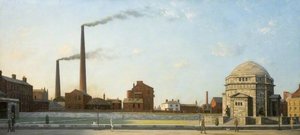
在 Algernon Newton 留下的所有原作中,最著名的作品是 View of the North Facade, Wimpole Hall, Cambridgeshire (1940)。 紧随其后的是 Park Crescent, London (1927) 和 Birmingham with the Hall of Memory (1929)。 我们的目录收录了 Algernon Newton 的 29 件作品;画廊完整保留了 26 件享誉世界的杰作,并为每一件作品详细标注了创作日期、馆藏机构及其背后的故事。


 The Regent's Park Canal, Paddington1930
12
 Dawn1936 · Ferens Art Gallery
13
 The Surrey Canal, Camberwell1935
14
 South Front of Anglesey Abbey, Cambridgeshire1935 · National Trust
15
 Townscape1934 · 沃克艺术馆
16
 The 'Lord Nelson', Winter Morning, Beck Hole1943 · Government Art Collection
17
 Canal Scene, Maida Vale1947 · Government Art Collection
18
 Winter Moonrise, Yorkshire1945 · Buxton Museum - Art Gallery
19
 The Avenue1944 · Buxton Museum - Art Gallery
20
 Regent's Canal, Maida Vale, London1942 · Nottingham Castle Museum And Art Gallery
21
 The Cloud Shadow克莱尔学院
22
 Holland House, KensingtonGovernment Art Collection
23
 River Scene
24
 A Forest PoolNational Trust
25
 PortTouchstones Rochdale
26
 Landscape布里斯托博物馆与美术馆
这些原作中反复出现的四个主题,各有一个最杰出的范例。
收藏了本页中大部分画作的 8 家博物馆。
| 博物馆 | 城市 | Algernon Newton 的作品 | 此列表中的画作 |
|---|---|---|---|
 Government Art Collection |
伦敦 | 4 | The Regent's Canal, Twilight, The 'Lord Nelson', Winter Morning, Beck Hole, Canal Scene, Maida Vale |
 National Trust |
Cambridge | 2 | South Front of Anglesey Abbey, Cambridgeshire, A Forest Pool |
 Buxton Museum - Art Gallery |
Buxton | 2 | Winter Moonrise, Yorkshire, The Avenue |
 Ferens Art Gallery |
赫尔 | 1 | Dawn |
 沃克艺术馆 |
利物浦 | 1 | Townscape |
 Nottingham Castle Museum And Art Gallery |
诺丁汉 | 1 | Regent's Canal, Maida Vale, London |
 克莱尔学院 |
剑桥 | 1 | The Cloud Shadow |
 Touchstones Rochdale |
罗奇代尔 | 1 | Port |
选择一个年代,探索定义该时代的原创杰作。
View of the North Facade, Wimpole Hall, Cambridgeshire (1940)。紧随其后的是 Park Crescent, London (1927) 和 Birmingham with the Hall of Memory (1929)。
60岁:View of the North Facade, Wimpole Hall, Cambridgeshire创作于1940年,Algernon Newton出生于1880年。
View of the North Facade, Wimpole Hall, Cambridgeshire, Park Crescent, London, Birmingham with the Hall of Memory, The Beck, Moor Scene with Rock Face, In Kensington, The Regent's Canal, Twilight, The Backs of Houses, Harley Street, London, Evening by the Lake 及 West Wycombe Park。上方排名显示了每件作品的创作年份及馆藏机构。
我们的目录收录了 29 件 Algernon Newton 的作品,创作年代从 1900 年至 1947 年。
多见于 Government Art Collection (伦敦), National Trust (Cambridge) 及 Buxton Museum - Art Gallery (Buxton)。上方的博物馆列表列出了所有相关机构。
在 1930s 期间:本页 26 件作品中有 7 件创作于该时期,其中包含 Evening by the Lake 件作品。
在本页面中,最早的作品创作于 The Beck (1900),最晚的创作于 Canal Scene, Maida Vale (1947)。
Landscape (5), Tranquility (4) 及 British heritage (2),共计 26 件作品。
根据本页面的原作,Contemporary realism
The Regent's Canal, Twilight, The 'Lord Nelson', Winter Morning, Beck Hole 及 Canal Scene, Maida Vale:Government Art Collection, 伦敦收藏了本页中 4 件作品。
Algernon Cecil Newton (1880-1968) occupies a singular, luminous space in the pantheon of British landscape painting. Often whispered about in art circles as “The Canaletto of the Canals,” Newton possessed a rare, almost clairvoyant ability to find profound grace within the industrial and urban arteries of England. Where others saw only the grit of soot-stained brickwork or the murky depths of stagnant waterways, Newton perceived a quiet, rhythmic beauty. His work does not merely document a scene; it captures a mood, distilling the essence of London’s canals and industrial peripheries into compositions that breathe with a contemplative, almost spiritual serenity.
The roots of his meticulous approach to light and texture were deeply embedded in his very lineage. Born in Hampstead, Newton was the descendant of Henry Newton, one of the legendary founders of Winsor & Newton. This connection to the very materials of the painter’s craft instilled in him a lifelong reverence for the nuances of pigment and the delicate interplay of atmosphere. His early education at Clare College, Cambridge, placed him at the heart of a burgeoning intellectual and artistic movement, where he studied alongside figures such as Roger Fry and Vanessa Bell. These encounters with the pioneers of modernism provided him with a sophisticated understanding of form, even as his own heart remained tethered to a more evocative, tonal realism.
Newton’s artistic trajectory was profoundly shaped by the turbulence of the early 20th century. His service during the First World War, initially as a Sub-Lieutenant in the Royal Naval Volunteer Reserve and later with the Army, brought him face-to-face with the harsh realities of conflict. The physical toll of the war, which saw him invalided out in 1916 due to pneumonia, led him toward a period of profound introspection and healing. It was during this convalescence that he found sanctuary in the artistic colony of Lamorna, Cornwall. Surrounded by luminaries like William Nicholson and George Dyer, Newton embraced the practice of plein air painting, a method that would become central to his ability to capture the fleeting qualities of light.
In the rugged landscapes of Cornwall, his technique began to evolve into something truly distinctive. Moving away from rigid representation, he adopted a more fluid, impressionistic brushstroke, utilizing a muted palette that prioritized the atmospheric weight of the air itself. This period was crucial in developing his ability to render the "character" of a place—the way mist clings to a riverbank or how the twilight softens the hard edges of a dockside warehouse. His work became less about the literal depiction of objects and more about the emotional resonance of the environment.
As his career matured, Newton turned his gaze back toward the urban landscapes that would become his most enduring legacy. He mastered the art of finding the poetic within the mundane, transforming the industrial canals of London into stages for light and shadow. His paintings serve as a bridge between the traditional landscape traditions of the 19th century and a more modern, psychological approach to subject matter. Through his eyes, the industrial world was not something to be shunned, but a landscape worthy of the same reverence once reserved for rolling hills and classical ruins.
The significance of Newton’s contribution to British art is cemented by his recognition by the Royal Academy and the inclusion of his works in the prestigious Tate collection. His ability to evoke nostalgia and peace through a mastery of tone ensures that his paintings remain timeless. To view a Newton landscape is to enter a world of quietude, where the bustle of the modern age fades into a soft, painterly dream, leaving the viewer alone with the gentle pulse of the water and the enduring beauty of the English landscape.

