The Curatorial Self: Defining Taste & Building an Artistic Vision
Impressionism was a 19th-century art movement characterized by visible brush strokes, open composition, emphasis on accurate depiction of light in its changing qualities (often accentuating the effects of the passage of time), ordinary subject matter...
For centuries, the act of collecting art was synonymous with patronage—a demonstration of wealth and power. But today, something more profound is at play. The acquisition of art has become a deeply personal endeavor, a means of self-expression, identity formation, and the cultivation of a unique aesthetic world. It’s no longer simply about *owning* beautiful objects; it's about building a narrative, evoking emotion, and communicating nuanced perspectives through carefully chosen pieces. This journey towards what we might call ‘The Curatorial Self’ begins with an honest exploration of one’s own tastes—a process often sparked by a single captivating image or a resonant encounter with a particular style.
Consider the revolutionary impact of Impressionism, born in 19th-century Paris as a defiant rejection of academic convention. Artists like Claude Monet weren't striving for photographic realism; they sought to capture fleeting moments of light and color, the *impression* of a scene rather than its precise depiction. Monet’s iconic *Impression, soleil levant*, from which the movement derives its name, wasn’t initially celebrated—it was derided by critics who found it unfinished and lacking in technical skill. Yet, this very quality—the visible brushstrokes, the open composition, the emphasis on subjective experience—became the hallmark of a new artistic sensibility. A collector attuned to this history understands that acquiring an Impressionist work isn’t merely about possessing a beautiful landscape; it's about embracing a spirit of innovation and challenging established norms.
Developing ‘The Curatorial Self’ requires more than just recognizing stylistic trends, however. It demands a deeper understanding of art historical movements—from the Renaissance masters to the abstract expressionists—and how these styles reflect broader cultural currents. It involves researching artists' lives, exploring their influences, and appreciating the techniques they employed. The subtle layering of oil paints in a Rembrandt portrait, for example, speaks volumes about his mastery of light and shadow, while the bold brushstrokes of Van Gogh convey an intense emotionality that transcends mere representation. This knowledge empowers you to make informed choices, selecting pieces that resonate with your personal values and articulate a distinct artistic vision.
Strategic Art Acquisition: Enhancing Corporate Identity & Leadership Spaces
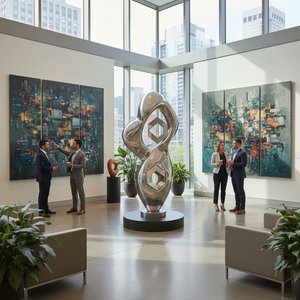
The artwork displayed within corporate environments is often underestimated as a powerful tool for shaping perceptions and reinforcing core values. Far from being mere decoration, strategically chosen pieces can foster creativity, inspire innovation, and project an image of sophistication and success. A thoughtfully curated collection becomes an extension of the company’s brand identity—a visual representation of its mission statement, target audience, and desired ethos.
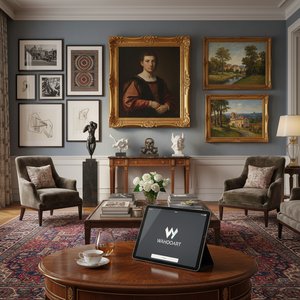
As experts in corporate art consulting emphasize, aligning artwork with organizational values is paramount. A tech startup might opt for abstract or contemporary works that convey innovation and forward-thinking, utilizing bold colors and dynamic compositions to stimulate creativity. Conversely, a law firm might favor more traditional landscapes or portraits—evoking stability, trustworthiness, and a sense of heritage. The scale and placement of artwork are equally crucial; large-scale installations can create a sense of grandeur in reception areas, while smaller pieces can foster intimacy and encourage contemplation within executive suites.
Consider the symbolism inherent in different artistic styles. A series of abstract paintings might suggest intellectual curiosity and open-mindedness, while a collection of historical portraits could convey a commitment to tradition and leadership. The arrangement of artworks should also be carefully considered—creating visual pathways that guide visitors through the space and reinforce key messages. The goal is not simply to fill empty walls but rather to create an environment that inspires employees, impresses clients, and communicates the company’s unique identity.
Beyond Aesthetics: The Curator's Role in Interpretation & Preservation
The role of the curator has undergone a significant transformation in recent decades, expanding beyond the confines of traditional museums and galleries. Today, curators are increasingly viewed as interpreters—bridging the gap between artworks and audiences, providing context that enhances appreciation and understanding. This requires not only a deep knowledge of art history but also a sensitivity to contemporary social and political currents.
The curator acts as a storyteller, weaving narratives around individual pieces or entire collections. They research artists' lives, explore their influences, and contextualize their work within broader historical movements. This ‘aesthetic vantage point’, as some scholars describe it, is paramount—often more important than simply presenting ideas *about* art. The modern curator must also be adept at navigating the complexities of digital curation, which involves selecting, preserving, and archiving digital assets. This includes managing metadata, ensuring long-term accessibility, and mitigating the risks of digital obsolescence.
Furthermore, preservation is a critical aspect of the curatorial role—ensuring that artworks are protected from damage and deterioration for future generations. This involves careful handling, climate control, and regular conservation treatments. The principles of digital curation—managing the asset lifecycle, evaluating content, applying preservation methods, proactively adding value, and facilitating access—are equally relevant to traditional art collections.
Navigating the Independent Art World: Integrity, Networking & Establishing a Voice
For those seeking to establish their own artistic voice and build a reputation within the art world, independent curating presents unique challenges and opportunities. It requires resilience, resourcefulness, and an unwavering commitment to ethical practices.
Building trust with artists, collectors, and institutions is paramount—requiring consistent professionalism, transparent communication, and fair compensation. Networking within the art world is essential; attending exhibitions, engaging in critical discourse, and building relationships with key stakeholders are crucial for gaining visibility and establishing credibility. It's important to remember that independent curation often involves self-promotion and a willingness to embrace unconventional approaches.
As experienced curators advise, articulating one’s curatorial philosophy is also vital—clearly defining the themes, styles, and values that inform your selection process. This helps you attract artists and collectors who share your vision and establish a distinct identity within a crowded marketplace. Maintaining integrity is crucial; avoid compromising your artistic principles for financial gain or personal recognition.
The Evolving Aesthetic Landscape: Contemporary Trends & Challenging Norms
The contemporary aesthetic landscape is characterized by fluidity, experimentation, and a blurring of boundaries. Traditional notions of beauty and value are constantly being challenged, as artists explore new forms of expression and push the limits of artistic convention.
The rise of digital art, social media, and interactive installations has further expanded the possibilities for creative exploration—challenging traditional definitions of what constitutes ‘art’. Contemporary curators must embrace this dynamism, fostering dialogue about the evolving role of art in a rapidly changing world. This involves embracing new technologies, supporting emerging artists, and challenging established norms.
The relationship between creator and audience is also becoming increasingly blurred; with social media platforms empowering viewers to actively participate in curatorial processes. This shift raises questions about authenticity, self-substantiation, and the functional presence of art within contemporary society. The role of the curator is evolving once again—becoming less of a gatekeeper and more of a facilitator, fostering dialogue and encouraging critical engagement.
Transforming Your Space: Practical Considerations for Artwork Selection & Placement
Selecting artwork for your home or office requires more than just an appreciation for aesthetics; it demands a holistic understanding of how art interacts with its environment and influences emotional responses. Consider the interplay between color, light, texture, and scale—choosing pieces that complement the surrounding architecture and décor.
A vibrant painting might energize a minimalist room, while a muted landscape could create a sense of calm in a bustling office. The placement of artwork should also be carefully considered; eye-level is generally recommended for optimal viewing, but unconventional arrangements can add visual interest and challenge expectations. Avoid overcrowding or cluttering the space—allow each piece to breathe and command attention.
At OriginalUniqueArt.com, we offer a vast collection of museum-quality reproductions and custom artwork, empowering you to cultivate your own unique aesthetic world. From hand-painted oils to digital prints, we provide a range of options to suit every taste and budget. Our expert consultants are available to guide you through the selection process, ensuring that you find pieces that resonate with your personal style and enhance your space. Explore our collection today and discover the transformative power of art.