The Enduring Appeal of Manga: A Historical Journey
Anime-influenced animation is a type of non-Japanese work of animation that is noticeably similar to or inspired by anime. Generally, the term anime refers to a style of animation originating from Japan. As Japanese anime became increasingly popular,...
Manga, a word that conjures images of vibrant characters, dynamic action, and captivating narratives, has become a global phenomenon. But its roots extend far deeper than the contemporary comic books and graphic novels we know today. To truly appreciate the aesthetic transmutation of manga into museum-quality canvas art, one must understand its rich historical lineage. The seeds were sown centuries ago in Japan’s tradition of *emakimono* – illustrated narrative scrolls dating back to the 12th century. These weren't merely visual stories; they were immersive experiences combining calligraphy and painting, often depicting tales of folklore, history, or religious significance. The Edo period (1603-1868) witnessed a blossoming of popular art forms, most notably *ukiyo-e* – “pictures of the floating world.” Artists like Hokusai and Katsushika Eiichi captured scenes of everyday life with an unprecedented dynamism and expressive linework that would profoundly influence generations to come. However, it was Osamu Tezuka, often hailed as the ‘God of Manga,’ who truly revolutionized the medium in the post-World War II era. Inspired by Disney animation but imbued with a distinctly Japanese sensibility, Tezuka established many of the visual conventions we associate with manga today – large expressive eyes, speed lines (*bakusen*) to convey motion, and panel layouts designed for rapid storytelling.
From Anime Cells to Canvas: Adapting Dynamic Styles
 Anime Aesthetics Emerge in Art Reproduction & Customization at
Discover the fusion of anime aesthetics & fine art at ! Custom oil paintings, high-quality reproductions, & personalized artwork inspired by Japanese pop culture. Expert craftsmanship & 100% satisfaction guaranteed.
The explosion in popularity of anime during the 1960s acted as a powerful catalyst, disseminating manga’s visual language far beyond Japan's borders. Series like *Astro Boy* weren’t simply animated stories; they were meticulously crafted visual experiences that captivated audiences worldwide. This led to the emergence of ‘anime-influenced animation’ in the West, where studios began incorporating elements such as exaggerated facial expressions, vibrant color palettes, and fantastical themes into their own productions. The stylistic hallmarks – the *chibi* (super deformed) character designs used for comedic effect or emotional emphasis, dramatic lighting effects that heighten tension, and detailed backgrounds creating immersive worlds – became instantly recognizable. Translating this two-dimensional dynamism onto canvas presents a unique set of challenges. It’s not simply about replicating an image; it's about capturing the *feeling* of manga, its energy and immediacy. Hand-painted reproductions offer the opportunity for nuanced interpretations, allowing artists to imbue each piece with their own individuality while remaining faithful to the original spirit. Digital prints provide greater fidelity but often lack the tactile depth and texture that brings a painting to life.
Mastering the Medium: Oil Painting Techniques for Manga Reproduction
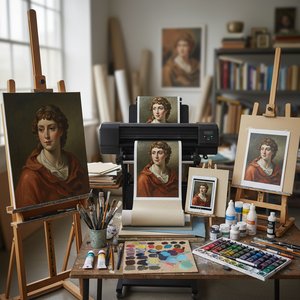 Reproducing Artistry: A Guide to Oil, Canvas & Paper Reproduction Mediums
Explore the world of art reproduction! Learn about oil, canvas & paper options with our expert guide. Discover museum-quality reproductions for your home or collection.
Oil paint, a traditional medium steeped in history, offers an extraordinary capacity to capture the vibrancy and emotional resonance of manga artwork. The layering process is key – building up depth through successive applications of color, allowing subtle nuances to emerge. Artists often employ *impasto* techniques, applying thick layers of paint to create texture and emphasize key details, mimicking the bold brushstrokes found in many manga illustrations. Achieving the distinctive color palettes requires a deep understanding of mixing and blending, carefully recreating the luminosity and tonal range characteristic of the original work. Replicating those iconic *bakusen*, the speed lines that convey motion and impact, demands precision and control – a delicate balance between artistic freedom and faithful reproduction. The choice of brush is also paramount; smaller brushes for intricate linework, larger ones for broader strokes, each contributing to the overall effect. It’s about more than just technical skill; it's about understanding the underlying principles of manga aesthetics and translating them into a tangible art form.
Ukiyo-e's Legacy: Traditional Roots of Modern Manga Aesthetics
The influence of *ukiyo-e* on modern manga is profound, often overlooked but undeniably present. Artists like Hokusai, renowned for his iconic “Great Wave off Kanagawa,” revolutionized printmaking with their dynamic compositions and bold use of color. These elements – flattened perspective, stylized figures, dramatic cropping – found their way into the visual language of manga centuries later. The emphasis on narrative storytelling is another key connection. *Ukiyo-e* prints often depicted scenes from everyday life or popular folklore, capturing fleeting moments in time. This focus on capturing a specific moment resonates deeply with manga’s penchant for dramatic action and emotional intensity. Modern anime series frequently incorporate visual motifs directly inspired by *ukiyo-e*, paying homage to this foundational artistic tradition. Consider the use of background elements – often stylized landscapes or architectural details – that echo the compositions found in classic *ukiyo-e* prints. It’s a subtle but powerful connection, demonstrating the enduring legacy of this traditional art form.
Collecting and Displaying Manga Art: Elevating Your Space
The growing popularity of manga has fueled a surge in demand for related artwork – not just comic books and figurines, but high-quality reproductions and original pieces. Collectors are drawn to the unique aesthetic qualities of manga, its cultural significance, and its ability to evoke powerful emotions. Incorporating manga-inspired art into your home or office can transform a space, adding vibrancy, personality, and a touch of contemporary flair. The accessibility of reproductions allows a wider audience to enjoy this art form, while original pieces offer a unique investment opportunity. Framing choices are crucial – selecting materials that complement the artwork and enhance its visual impact. A sleek modern frame might suit a bold, graphic illustration, while a more ornate frame could complement a piece with intricate details. Ultimately, displaying manga art is about celebrating a dynamic and evolving artistic tradition, bringing a touch of Japanese culture into your everyday life.