The Evolving Landscape: From Copies to Curatorial Tools
 The Democratization of Art: How Digital & AI Technologies are Reshaping Creation & Consumption
Explore the democratization of art with . Discover how digital technology & AI are transforming creation & consumption. Expert reproductions, custom paintings & trusted art consultation.
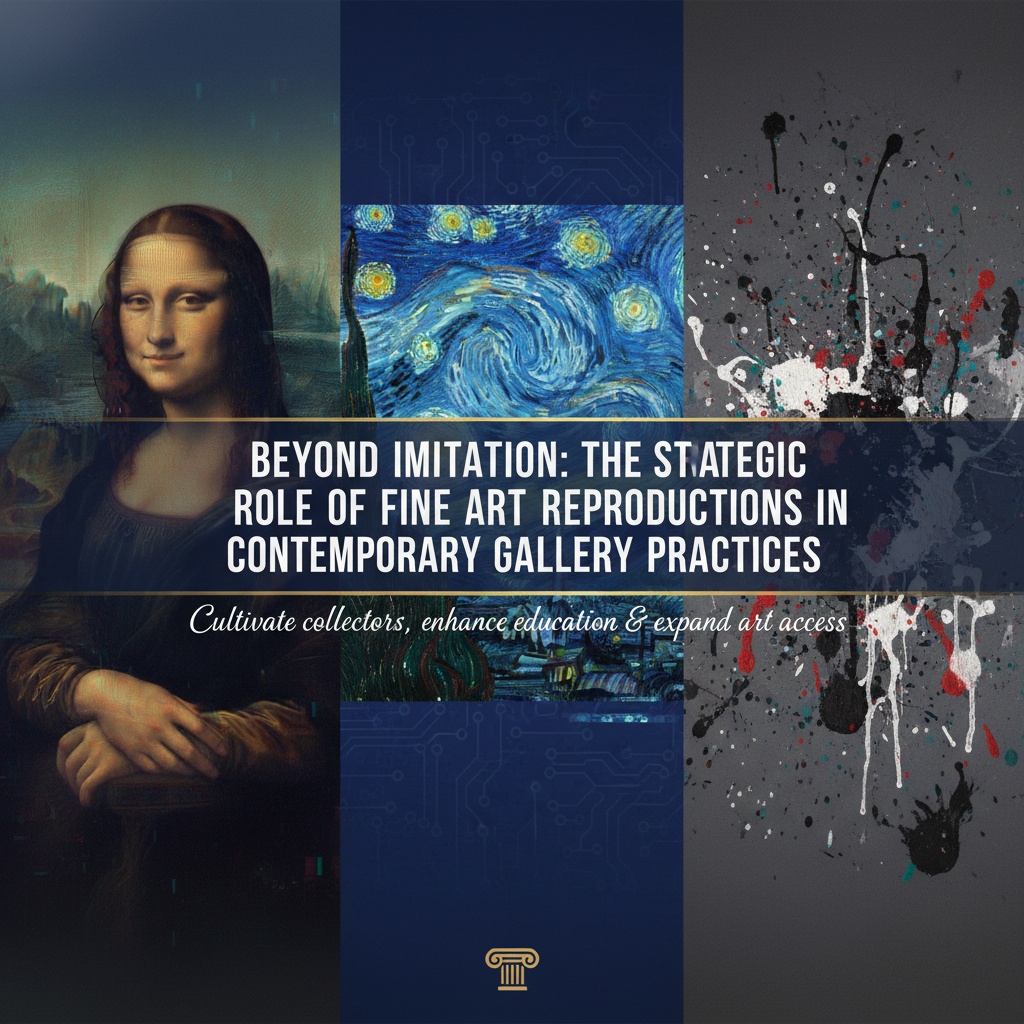
For centuries, the creation of copies – what we now broadly term ‘reproductions’ – existed as a shadow practice alongside original artistic endeavor. Initially driven by necessity, the desire to disseminate images beyond the confines of patronage and geographical limitations fueled workshops dedicated to replicating masterworks. These weren't merely exercises in technical skill; they were acts of reverence, attempts to preserve and propagate beauty in an era before widespread mechanical reproduction. Consider the meticulous copies produced during the Renaissance, often commissioned by noble families eager to possess a semblance of artistic prestige without incurring the expense – or risk – of acquiring the original. However, these early reproductions held little independent value; their worth resided solely in their fidelity to the source. Today, that paradigm has undergone a profound transformation. The contemporary art world increasingly recognizes reproductions not as pale imitations but as powerful curatorial tools, catalysts for engagement, and vital components of a broader artistic ecosystem.
The shift isn’t simply technological – though advancements in printing and hand-painting techniques have been pivotal. It's a fundamental reassessment of art’s role in society. The democratization of access, fueled by digital platforms and a growing appetite for cultural experiences beyond traditional museum walls, has created a demand for high-quality reproductions that transcend mere decoration. Galleries are no longer solely defined by the rarity of their originals; they are becoming hubs of knowledge, offering curated selections of reproductions alongside established works, fostering dialogue and building relationships with a wider audience. This approach acknowledges that appreciation isn’t contingent upon ownership – it's about connection, inspiration, and understanding.
Cultivating New Collectors: Reproductions as Entry Points to Art Appreciation
 Man in a Bowler Hat, Seated in an Armchair
This artwork is part of the Buffalo AKG Art Museum’s collection and features prominently on Pinterest. Explore related research materials from The Metropolitan Museum of Art and Abacus Gallery for deeper insights into Picasso's artistic legacy.
The path to becoming an art collector often begins not with a multi-million dollar acquisition but with a spark of fascination ignited by a single image. For many aspiring collectors, the financial and logistical barriers associated with original artwork are prohibitive. High-quality reproductions offer an accessible entry point, allowing individuals to experience the aesthetic power of masterworks within their own homes without significant investment. This initial engagement can cultivate a deeper appreciation for art history, technique, and symbolism, ultimately leading to more informed collecting decisions.
Consider Pablo Picasso’s *Man in a Bowler Hat*, a seemingly unassuming portrait that has gained immense popularity through reproductions. Its accessibility allows viewers to engage with the artist's cubist style without the intimidation of a gallery setting. The image becomes a springboard for further exploration – researching Picasso’s life, delving into the context of the Blue Period, and ultimately appreciating the nuances of his original works. Galleries are increasingly capitalizing on this phenomenon by offering curated collections centered around specific artists or movements, accompanied by educational materials that guide potential collectors through their artistic journey. The reproduction isn't merely a substitute for the original; it’s a stepping stone.
Enhancing Education & Accessibility: Bridging the Gap Between Museums and Audiences
 Collection Lippmann
Discover exceptional art reproductions at [Museum Name]. Explore a curated collection of hand-painted masterpieces, bringing iconic artworks into your home with stunning detail and quality. Elevate your space with timeless beauty.
Museums, traditionally bastions of exclusivity, are also recognizing the transformative power of reproductions in expanding their reach. While nothing can fully replicate the experience of standing before an original masterpiece, high-quality reproductions offer a valuable alternative for audiences unable to physically visit museums or access specialized collections. Furthermore, reproductions facilitate educational initiatives, allowing schools and community organizations to incorporate art history into their curricula without budgetary constraints.
The Royal College of Obstetricians and Gynaecologists Museum, for example, utilizes reproductions extensively in its outreach programs, bringing historical medical illustrations to a wider audience. Similarly, institutions like the Collection Lippmann showcase exceptional reproductions alongside information about the original artworks, fostering a deeper understanding of art history and cultural heritage. This commitment to accessibility extends beyond physical reproductions; digital platforms offer virtual tours, high-resolution images, and interactive educational resources that democratize access to art on a global scale.
Reproductions and Originality: Navigating Authenticity in a Modern Market
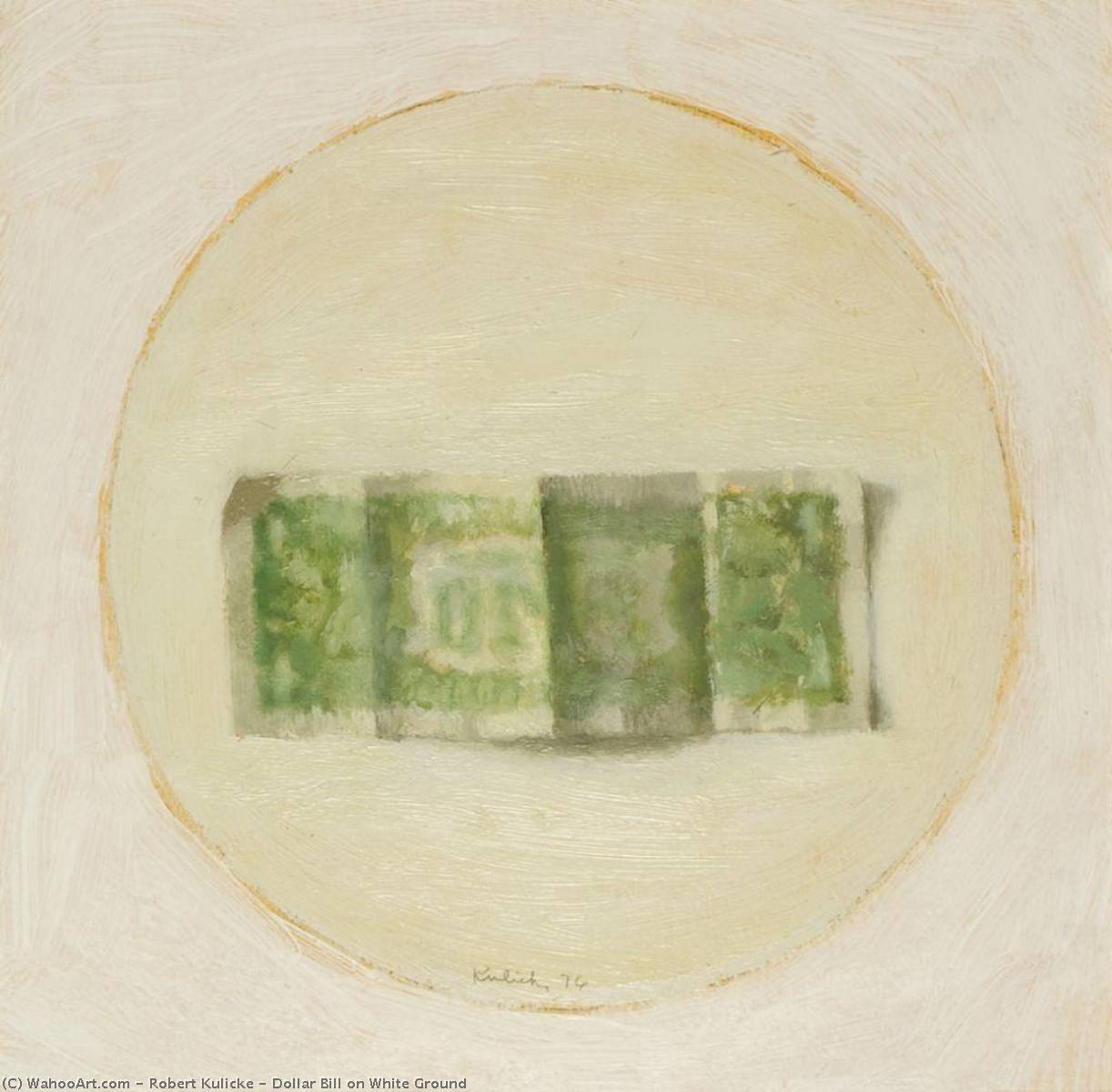 robert kulicke
Robert Kulicke: Innovative frame designer & painter of delicate still lifes. Revived granulation technique & mentored artisans. Explore his modern frames & timeless art.
The proliferation of reproductions inevitably raises questions about authenticity and the value of originality. While concerns about forgery are legitimate, it’s crucial to distinguish between ethically produced reproductions – clearly identified as such – and deceptive imitations. Galleries committed to transparency prioritize quality craftsmanship and accurate representation, ensuring that customers understand the provenance and nature of their purchases.
The rise of artists like Robert Kulicke, renowned for his innovative frame designs and delicate still lifes, highlights the value of skilled craftsmanship in reproduction. Kulicke’s meticulous attention to detail and revival of traditional techniques elevates reproductions beyond mere copies, transforming them into works of art in their own right. Similarly, Wifredo Díaz Valdez's evocative paintings demonstrate that artistic expression isn't limited to original creations; reproductions can capture the essence of an artist's vision with remarkable fidelity.
Case Studies: Galleries Leveraging Reproductions for Strategic Growth
Several galleries are successfully integrating reproductions into their business models, demonstrating their strategic value. By offering curated collections of high-quality prints and hand-painted reproductions alongside original artwork, these galleries attract a wider audience, cultivate new collectors, and generate additional revenue streams. These initiatives often include educational workshops, artist talks, and online resources that enhance the overall customer experience.
One notable example is the increasing use of reproductions to showcase works from lesser-known artists or historical periods. By providing accessible entry points into these collections, galleries can foster a deeper appreciation for diverse artistic styles and expand their market reach. Furthermore, offering custom reproduction services – allowing customers to commission copies of specific artworks – provides a personalized experience that strengthens customer loyalty.
The Future of Reproduction: Digital Technologies and Expanding Artistic Reach
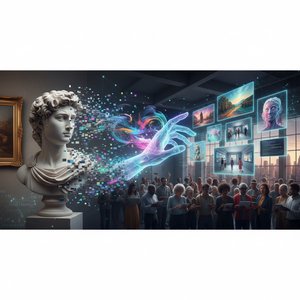
Digital technologies are poised to further revolutionize the world of art reproduction. Advancements in high-resolution scanning, printing techniques, and artificial intelligence (AI) are enabling increasingly accurate and sophisticated reproductions that blur the lines between original and copy. AI-powered tools can analyze brushstrokes, color palettes, and textures, creating reproductions that faithfully capture the nuances of an artist's style.
However, this technological progress also raises ethical considerations regarding copyright and artistic ownership. As digital reproduction becomes more accessible, it’s crucial to prioritize transparency, respect intellectual property rights, and ensure fair compensation for artists. Ultimately, the future of reproduction lies in embracing innovation while upholding the principles of authenticity, quality, and accessibility. OriginalUniqueArt.com stands at the forefront of this evolution, offering a curated selection of museum-quality reproductions, custom painting services, and expert art consultation to discerning buyers worldwide. We believe that art should be accessible to all, regardless of budget or location, and we are committed to fostering a deeper appreciation for artistic expression through innovative technology and unwavering dedication to quality.