

 效果预览
效果预览
 购买印刷品
购买印刷品 分享
分享 分享
分享
 详情
详情

 下载
下载
 相似作品
相似作品 X射线
X射线 幻灯片播放
幻灯片播放Highland Cattle
 Romanticism
 75.0 x 106.0 cm
 展开详情
展开详情




































从与原作比例一致的预设尺寸中进行选择。

您可以输入自定义尺寸,以适配特定的画框或空间。如果所选尺寸与原图比例不符,我们将通过裁剪作品或添加手绘元素来扩展画面。数字样稿将在制作开始前发送给您确认。
请注意,屏幕预览无法准确反映实际的裁剪或扩展效果,只有样稿才能真实呈现最终的构图。
虽然我们提供定制尺寸服务,但为了保留原作比例,建议您从预设列表中选择尺寸。
下单后,OriginalUniqueArt.com 团队将通过电子邮件联系客户获取具体要求,并提供效果预览图。


 玻璃选项仅适用于110厘米以下的尺寸。

Highland Cattle
复制材质
复制品尺寸
-


最终总价
$ 300
艺术家简介
The Soul of the Highlands: The Life and Art of William Watson II
In the misty, verdant expanses of the Scottish Highlands, where the earth meets the sky in a dramatic dance of light and shadow, the spirit of William Watson II finds its most profound expression. Born in Edinburgh in 1847, Watson emerged during the late Victorian era not merely as a painter of scenery, but as a chronicler of a vanishing way of life. His artistic journey was deeply rooted in the traditions of British realism, yet it was infused with a Romantic sensibility that sought to capture the sublime emotional resonance of the natural world. This early fascination with the grandeur of nature was nurtured through his formative training under the esteemed John Atkinson Grimshaw, a mentor whose mastery of atmospheric effects and nocturnal light left an indelible mark on Watson’s burgeoning technique.
As Watson matured, his gaze turned toward the rugged beauty of Argyllshire, specifically the Glen Fyne Estate. Having resided in this region for many years, he developed an intimate, almost spiritual connection to its topography. His canvases became windows into a world of heather-covered hillsides and deep, peat-stained bogs, rendered with a palette that pulsated with life. Through the use of meticulous glazing techniques—layering translucent washes of pigment over underpaintings—he achieved a velvety surface texture that allowed light to appear as if it were emanating from within the landscape itself. This luminous quality, often associated with the Luminist movement, transformed simple moorlands into immersive, breathing environments.
A Symbiosis of Landscape and Life
While Watson’s early focus remained steadfastly on the topographical majesty of Scotland, his work underwent a beautiful evolution as he began to weave the threads of rural life into his compositions. He realized that the landscape was not merely a backdrop, but a living entity shaped by those who tended it. Consequently, his oeuvre expanded to include the quiet dignity of sheep farming communities and the powerful presence of livestock. His depictions of Highland cattle are particularly noteworthy; they are far more than mere anatomical studies. Instead, Watson imbued these animals with a sense of stoic grace, presenting them as integral components of the Highland ecosystem.
The artist’s ability to balance the vastness of the mountains with the delicate details of pastoral life is perhaps his greatest achievement. In works such as Morning near Oban, one can witness the seamless integration of subject and setting:
- Atmospheric Precision: The use of light to evoke the specific chill and clarity of a Scottish dawn.
- Textural Depth: The contrast between the soft, woolly coats of grazing sheep and the rugged, ancient stone of the mountains.
- Color Harmony: A sophisticated use of earthy browns, deep greens, and ethereal blues that ground the viewer in the reality of the terrain.
Legacy of a Master Realist
The historical significance of William Watson II lies in his role as a visual custodian of the Scottish Highlands during a period of profound transition. Through his brush, the pastoral rhythms of the 19th century were preserved with a level of detail and emotional sincerity that transcends mere documentation. He did not simply paint what he saw; he painted how the landscape felt—the solitude of the glen, the resilience of the cattle, and the fleeting beauty of the light.
Today, his works remain cherished for their ability to transport the observer across time and space. Whether admiring the majestic strength in A Highland Bull or the serene tranquility of a sun-drenched meadow, the viewer is reminded of Watson's unwavering dedication to the truth of nature. His legacy persists as a testament to the power of realism to capture the eternal essence of the wild, ensuring that the rugged splendor of the Scottish Highlands continues to resonate with every new generation of art lovers.

william watson ii
1847 - 1921
艺术家简介
- Artistic Movement Or Style: Realism
- Artists Or Movements Influenced By This Artist: ['Scottish Landscape Painting']
- Artists Who Influenced This Artist: ['Romanticism']
- Date Of Birth: 1847
- Date Of Death: 1921
- Full Name: William Watson II
- Nationality: British
- Notable Artworks:
- Morning near Oban
- Highland Cattle
- A Highland Bull
- Place Of Birth: Scotland
相关文章
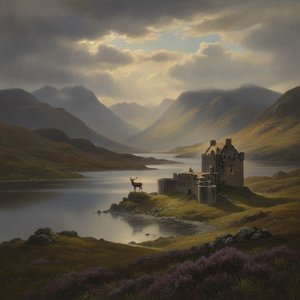
Capturing the Highlands: A Guide to Iconic Scottish Landscape Paintings and the Romantic Tradition
Explore the profound beauty of the Scottish Highlands through the lens of Romanticism. Discover the history, technique, and atmospheric mastery behind iconic landscape paintings from the Old Masters to museum-quality oil reproductions for collectors.
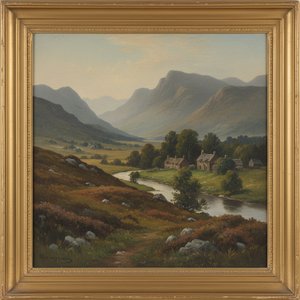
Sir John Watson Gordon: A Study in Scottish Landscape Painting & Tonal Impressionism
Explore the captivating portraits of Sir John Watson Gordon, a leading Scottish master. Discover his evolution from neoclassical style to atmospheric Tonalism and influence on 19th-century British art. Learn about his iconic sitters & legacy.
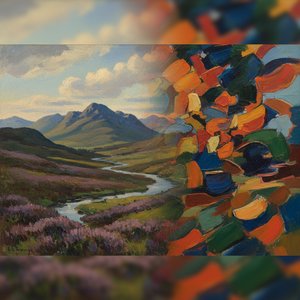
Sir William George Gillies: A Scottish Colourist's Journey Through Landscape & Abstraction
Explore the captivating world of Sir William George Gillies, a leading Scottish Colourist. Discover his journey from Cubism to iconic landscapes & still lifes. Expert insights for collectors and art enthusiasts.

浪漫主义画派的十部巨作:定义风景画的艺术传奇
探索浪漫主义风景画的巅峰!本文精选十部经典名作,带您领略莫奈、库尔贝等大师的艺术魅力。感受色彩与光影的诗意,重温自然风光的震撼。OriginalUniqueArt.com为您提供博物馆级别的艺术复制品和个性化家居装饰方案。尽在OriginalUniqueArt.com!
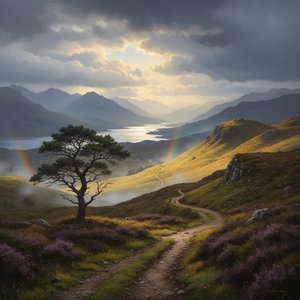
Louis Bosworth Hurt: Capturing Atmospheric Light in the Scottish Highlands
Explore the serene landscapes & majestic Highland cattle paintings of Louis Bosworth Hurt (1856-1929). Discover his mastery of atmospheric perspective and lasting legacy in British art. Learn more at OriginalUniqueArt.

