
 实景预览
实景预览
 分享
分享 分享
分享
 详情
详情 指南
指南

 下载作品
下载作品
 相似作品
相似作品 X射线
X射线 幻灯片播放
幻灯片播放 问答
问答 统计数据
统计数据Orpheus and Eurydice

- 121.0 x 180.0 cm


 展开全文
展开全文
艺术微喷/版画
博物馆级艺术微喷或帆布版画,制作高效,并提供多种饰面选择。 ( 订购纯手工绘制画作 切换至数字图像销售渠道)




P118B ¥10

P118H ¥10

P118W ¥10

P438Z ¥10

P508JH ¥12

P508YH ¥12

P805H ¥10

P805Z ¥10

P919BZ ¥10

P919G ¥10

P919XJ ¥10

P959ZH ¥10

P968JZ ¥12

W106C ¥8

W218G ¥10

W218JH ¥8

W218Y ¥10

W307PJ ¥10

W316G ¥10

W316PJ ¥8

W316Y ¥10

W398PJ ¥8

W4111J ¥10

W500HY ¥15

W500JH ¥15

W692G ¥12

W849H ¥8

W940BG ¥15

W953PJ ¥8




您可以从与原作比例一致的预设尺寸中进行选择。

请输入您所需的宽度和高度,以适配您的画框或墙面。由于印刷品只能进行裁剪,无法超出原图尺寸,因此若比例不一致,画面的一部分将会被裁切。在正式印刷之前,我们会为您发送一份数字效果图供您确认。本页面显示的图片并非最终裁剪后的效果——只有效果图才能展示真实的裁剪情况。


 玻璃选项仅适用于110厘米以下的尺寸。

Orpheus and Eurydice
艺术微喷/版画
复刻品尺寸
-


最终结算价
¥ 544
A Lament in Laurel Green: Unpacking Poussin’s ‘Landscape with Orpheus and Eurydice’
Nicolas Poussin's “Landscape with Orpheus and Eurydice,” painted around 1650, isn’t merely a depiction of a classical myth; it’s a profound meditation on loss, longing, and the bittersweet beauty of remembrance. Initially attributed to Poussin himself, though now generally believed to be by a skilled follower, this work embodies the artist's signature blend of Italianate sensuality with rigorous Classical structure – a harmonious marriage that defined his artistic legacy. The painting resides within the Louvre’s collection, a testament to its enduring power and aesthetic merit. It’s a landscape saturated not just with color, but with an atmosphere of poignant melancholy, inviting viewers into a world where earthly beauty is inextricably linked to sorrow.The Myth Unveiled: A Story of Love and Loss
The narrative at the heart of “Landscape with Orpheus and Eurydice” is one of enduring tragedy. The myth recounts the tale of Orpheus, the legendary musician whose lyre possessed the power to move even the gods. He fell deeply in love with Eurydice, a nymph who tragically died after being bitten by a snake. Driven by grief, Orpheus descended into the underworld to retrieve her, using his music to persuade Hades and Persephone to allow him to take her back to the world of the living. However, blinded by hope and fear, he prematurely turned to look at his beloved as they neared the exit, causing Eurydice to vanish forever from his sight. Poussin masterfully captures this pivotal moment – not the triumphant return, but the agonizing realization of irrevocable loss.A Symphony of Light and Shadow: Technique and Composition
Poussin’s technical prowess is immediately evident in the painting's masterful use of light and shadow. The composition is carefully orchestrated, drawing the eye towards Orpheus and Eurydice as they stand close together, a small beacon of intimacy amidst the vastness of the landscape. He employs *chiaroscuro*, a technique borrowed from Caravaggio, to create dramatic contrasts between illuminated areas – primarily focused on the couple – and deep, enveloping shadows that suggest both the mystery of the underworld and the weight of grief. The trees, rendered with meticulous detail, frame the scene like a natural stage, while the distant castle, partially obscured by smoke, hints at the ruined world beyond. Notice how Poussin uses atmospheric perspective—distant objects appear paler and less distinct—to create a sense of depth and spatial recession, drawing the viewer into the painted realm. The brushstrokes are smooth and controlled, contributing to the painting’s overall sense of serenity and refinement, despite its underlying sadness.Symbolism and Emotional Resonance: Beyond the Myth
Beyond the literal depiction of the myth, “Landscape with Orpheus and Eurydice” is rich in symbolic meaning. The forest itself represents the unknown, a space of both beauty and danger – mirroring the emotional landscape of grief. The smoke rising from the ruined castle symbolizes the destruction caused by loss and the fading of earthly pleasures. Orpheus’s lyre isn't just an instrument; it’s a conduit for his sorrow, a symbol of his desperate attempt to transcend death and reunite with his beloved. Eurydice’s posture—a gentle acceptance of her fate—suggests a quiet dignity in the face of tragedy. The painting speaks not only to the specific story of Orpheus and Eurydice but also to universal themes of love, loss, and the enduring power of memory. It's a poignant reminder that beauty can coexist with sorrow, and that even in darkness, there is still light to be found.Reproductions: Bringing Poussin’s Vision Home
OriginalUniqueArt offers meticulously crafted hand-painted reproductions of “Landscape with Orpheus and Eurydice,” allowing you to experience the full depth and beauty of this iconic masterpiece in your own space. Our skilled artists faithfully recreate Poussin's nuanced techniques, capturing the subtle gradations of light, the delicate textures of the foliage, and the profound emotional resonance of the scene. Available in a range of sizes, from intimate wall pieces to grand statement artworks, our reproductions provide an authentic connection to this timeless work of art – a perfect addition for any discerning collector or admirer of classical beauty.常见问题与解答
尼古拉·普桑 的《Orpheus and Eurydice》 描绘了怎样的场景,又传达了怎样的意境?
尼古拉·普桑 的《Orpheus and Eurydice》 描绘了 mythology, orpheus, eurydice, landscape, forest, loss, love, classical,营造出 Romantic 的意境。其主题与氛围共同构成了这件作品的精髓。
尼古拉·普桑 的《Orpheus and Eurydice》 是油画、素描还是版画?
尼古拉·普桑 的《Orpheus and Eurydice》 被归类为 WallArt。该类别描述了原作的艺术形式。
"Orpheus and Eurydice" 属于哪种艺术风格?
尼古拉·普桑 的《Orpheus and Eurydice》 属于 Baroque 流派,该流派为这件作品提供了风格背景。
艺术家简介
尼古拉·普桑:古典主义的永恒守护者
尼古拉·普桑,一个与法国巴洛克绘画宏伟壮丽紧密相连的名字,却是一位灵魂深处扎根于意大利土地的艺术家。1594年出生于诺曼底的勒阿夫尔,他的早期生活略显神秘,但无疑为他日后的艺术生涯奠定了基础。尽管他在1610年代短暂地在巴黎学习,吸收了当时一些不太出名的艺术家的影响,真正点燃了他艺术命运的是1624年前往罗马的旅程。这不仅仅是地理位置上的转移,更是一次沉浸于古老文明的体验,一次通往定义他审美视野的灵感源泉的朝圣之旅。普桑最初的绘画尝试带有威尼斯大师提香式的感性色彩,但即使在这些早期作品中,一种新兴的秩序感和智力严谨性也开始显现——预示着他将如此精湛地完善的风格。罗马岁月:锻造古典理想
罗马对于普桑而言,远不止是一个工作室;它成为了他的艺术熔炉。他置身于学者、考古学家和艺术家组成的充满活力的圈子之中,尤其是卡西亚诺·达尔·波佐,这位对古老文明有着深刻理解的人士,极大地影响了艺术家的创作方法。达尔·波佐致力于细致记录古代遗迹的精神,激发了普桑对历史准确性的尊重和将作品中融入永恒感的渴望。这一时期,普桑逐渐摆脱了一些同时代人那种华丽的奔放,转而拥抱以清晰、平衡和强调线性构图为特征的风格。他一丝不苟地研究拉斐尔的作品,汲取其和谐的布局和优雅的形式,同时也从古希腊雕塑中汲取灵感。他的画作开始充斥着来自古典历史和神话中的人物——他们不再仅仅是装饰性的元素,而是道德美德和哲学理想的化身。历史、神话与圣洁的主题
普桑的艺术作品种类繁多,但始终以他对这些核心原则的承诺为统一。他经常描绘古老历史中的场景——例如德国尼库斯的悲惨命运——赋予其庄严和道德上的重量感。他的神话题作并非简单的故事重述;而是对人性的探索,往往蕴含着丰富的象征意义。《阿卡狄亚》系列,尤其是标志性的《在阿卡狄亚我亦曾存在》,成为了他哲学深度的象征,引发了对死亡和记忆持久力量的思考。除了历史和神话,普桑也转向宗教主题,最著名的莫过于《七件圣礼》——这是一项宏伟的项目,展示了他对神学理解和构图技巧。即使在这些神圣场景中,他也保持着古典式的克制,避免了过度的情感化,而偏爱一种庄严和尊贵的呈现方式。在他职业生涯的后期,广阔的风景越来越突出,将现实主义与理想化的形式相结合,创造出唤起和谐与宁静感的景象。持久的遗产:塑造法国艺术
尽管他一生的大部分时间都在国外度过,但尼古拉·普桑对法国艺术的影响是巨大的。他在1640年应理查贝尔侯爵的要求短暂地返回巴黎,被任命为国王的第一位画家,但他很快就因宫廷生活的压力和阴谋而感到窒息。他随即重返罗马,在那里继续绘画直到1665年去世。他对古典原则的奉献帮助确立了法国艺术训练和实践的标准,影响了后世的艺术家。 他成为了皇家绘画与雕塑学院的重要人物,巩固了他作为法国古典主义基石的地位。 诸如雅克-路易·大卫和保罗·塞尚等艺术家公开承认他们对普桑严谨的方法和智力深度的债务。他的遗产超越了单纯的风格模仿;它代表着秩序、清晰度和古典理想持久力量的承诺——见证了一位致力于通过理性和美的视角提升世界的艺术家的证明。- 重要作品:《德国尼库斯的死亡》、《七件圣礼系列》、《罗马之路》、《奥瑞恩失明》、《四季》。
- 关键特征: 古典构图、线性感、历史和神话主题、宁静的风景。

尼古拉·普桑
1594 - 1665 , 法国
艺术家简介
- Artistic Movement Or Style: 巴洛克, 古典主义
- Artists Or Movements Influenced By This Artist:
- 雅克-路易·大卫
- 保罗·塞尚
- Artists Who Influenced This Artist:
- 拉斐尔
- 提香
- Date Of Birth: 1594年6月
- Date Of Death: 1665年11月19日
- Full Name: 尼古拉·普桑
- Nationality: 法国人
- Notable Artworks:
- 《德米尼库斯之死》
- 《七 sacrament 系列》
- 《罗马之路》
- 《猎户座被蒙蔽》
- 《四季》
- Place Of Birth: 法国诺曼底安代勒
相关文章

巴洛克古典主义:十七世纪艺术中的戏剧性与秩序融合
深入探索17世纪巴洛克古典主义艺术的戏剧性与秩序之美。卡拉瓦乔、鲁本斯等大师作品解析,揭秘宗教改革下的艺术策略,并了解凡尔赛宫的辉煌历史。OriginalUniqueArt.com为您提供专业的艺术鉴赏与定制服务。

Evocations of Place: A Historical Journey Through Landscape Art
Explore the rich history of landscape art with OriginalUniqueArt. Discover renowned artists, movements like Impressionism & Romanticism, and expert guidance for collecting timeless pieces. Find your perfect serene escape today!

浪漫主义画派的十部巨作:定义风景画的艺术传奇
探索浪漫主义风景画的巅峰!本文精选十部经典名作,带您领略莫奈、库尔贝等大师的艺术魅力。感受色彩与光影的诗意,重温自然风光的震撼。OriginalUniqueArt.com为您提供博物馆级别的艺术复制品和个性化家居装饰方案。尽在OriginalUniqueArt.com!

Baroque Classicism: The Grandeur of Order and Drama in 17th-Century Art History
Explore the profound elegance of Baroque Classicism. Discover how 17th-century masters synthesized dramatic emotion with classical order through the lens of the Counter-Reformation and the works of legends like Carlo Maratta and Andrea Sacchi.
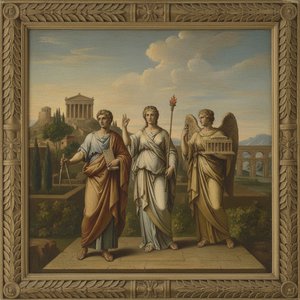
Nicolas Poussin: Classicism, Allegory & Order in 17th-Century French Painting
Explore the life & work of Nicolas Poussin, a master of French Classicism. Discover his allegorical paintings, Roman influences, and enduring impact on art history. Expert analysis & insights.


