Color Field Expressionism
New Forms (马克·罗斯科)
马克·罗斯科 (1903–1970) 创作了《New Forms》。 它属于 Color Field Expressionism 运动。 由 Oil On Canvas 创作。
- Oil On Canvas

 实景预览

 手工油画复制品
 分享
 分享
 指南


 下载作品
 相似作品
 X射线
 幻灯片播放
 问答

 统计数据
New Forms:核心信息
New Forms 描绘了什么内容?
The Resonance of Color: Unveiling Rothko’s Vision
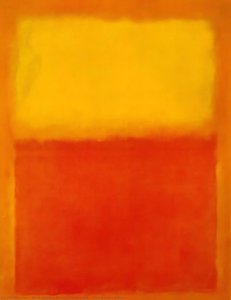
To stand before Mark Rothko’s “New Forms” is to enter a realm where the boundaries between the physical canvas and the human psyche begin to dissolve. As a cornerstone of the Abstract Expressionism movement, this work transcends mere pigment on fabric; it serves as a profound exploration of emotional depth through the revolutionary language of Color Field painting. Rothko, born in Latvia in 1903, carried a lifelong sensitivity to the complexities of human suffering and displacement—themes that found their most eloquent expression not in figures or landscapes, but in the weight and warmth of color itself. In this piece, we witness the artist’s mastery over the subconscious, inviting viewers to bypass visual perception and instead encounter a direct, visceral emotional resonance.
The composition is a masterclass in atmospheric depth and luminous intensity. Eschewing traditional representational subjects, Rothko utilizes expansive, rectangular blocks of color that appear to float within the frame. The palette—often characterized by rich crimsons, vibrant yellows, and glowing oranges—is applied through meticulous layers of thin, translucent washes. This glazing technique allows light to penetrate the surface, creating an internal glow that makes the forms seem to pulse with a life of their and breathe within the space. For the discerning collector or interior designer, this creates a sense of movement and "living" art; the colors do not simply sit upon the surface but seem to emerge from a deep, infinite void, providing a focal point that is both commanding and contemplative.
A Symphony of Emotion and Interior Harmony
Beyond its technical brilliance, “New Forms” functions as a portal to inner landscapes. The way the edges of the color blocks softly bleed into one another creates an illusionistic quality, suggesting a state of constant flux and transition. This lack of rigid borders mirrors the fluidity of human feeling—the way grief can merge with hope, or how tranquility can be interrupted by sudden intensity. The warmth of the yellowish tints against the dramatic red background evokes a sense of a desert-like heat or a sunset that lingers on the edge of memory, making the piece an evocative centerpiece for any sophisticated environment.
For those seeking to integrate fine art into a curated space, a high-quality reproduction of this masterpiece offers more than mere decoration; it offers an atmosphere. Whether placed in a quiet study to foster introspection or in a grand living area to provide a bold, emotive anchor, the painting’s ability to command attention through subtle nuance is unparalleled. It remains a testament to Rothko's enduring legacy—a work that does not just ask to be seen, but demands to be felt, transforming any room into a sanctuary of profound aesthetic and emotional significance.
高分辨率 New Forms

马克·罗斯科, New Forms.
关于 New Forms 的常见问题
关于艺术家 马克·罗斯科

1903–1970, 拉脱维亚
马克·罗斯科
马克·罗斯科的早年生活 马克·罗斯科于1903年出生,原名马库斯·雅各夫列维奇·罗斯科维茨。他出生于俄罗斯的德文斯克,即现在的拉脱维亚城市达乌加夫匹尔斯。他的家族生活在犹太人定居点(Pale of Settlement)区域,那是一个政治动荡不安、且始终笼罩在排犹骚乱阴影下的地区。这种动荡不安的气息伴随着他的家庭,在1913年移民美国时如影随形。在经过埃利斯岛后,他们最终定居在俄勒冈州的波特兰。 他的父亲雅各布是一名药剂师。他是一位具有社会主义倾向的知识分子,在家里营造了一种以学习和辩论为核心的氛围。然而,这种深邃的思考环境却被一场突如其来的丧亲之痛所打破。在全家抵达美国后不久,雅各布便因结肠癌去世。这段早年的悲痛经历以及移民生涯中的挣扎,为他日后成为那样一位艺术家奠定了沉静而深沉的生命底色。艺术训练与纽约早年岁月 1923年移居纽约市标志着他创作重心的转变。在耶鲁大学度过了一段时光后,这座城市的巨大吸引力引导他脱离了传统的学术教条。为了精进画技,他投身于艺术学生联盟(Art Students League)进行深造。在这些早年岁月中,他的画笔始终追逐着那些触手可及的真实存在。他描绘肖像,记录城市景观,将细致入微的观察倾注于人物的面庞与城市街道的尘嚣之中。那时的作品植根于写实主义,在向抽象主义转型之前,他正试图捕捉这个物质世界的物理形态。 到了1940年,他决定将自己的名字改为马克·罗斯科。这是一个转型的时期,他开始逐渐背离青年时代那种结构化的表现方式。他的关注点开始从城市中那些清晰可辨的物体,转向某种更为模糊、难以定义的领域。他正在寻找一种表达人类经验之沉重的方式,而不再依赖于周围世界那些具象的形状。向抽象表现主义的演变 随着1940年代的推进,马克·罗斯科早期那种严谨的写实风格开始逐渐退场。他的创作重心不再聚焦于城市景观或人物肖像中那些清晰可辨的细节,而是转向了超现实主义与神话的语言。他试图通过这些主题,寻找一种能够承载人类情感重量的表达方式。这一时期的绘画作品常呈现出生物形态的轮廓,这些形状仿佛悬浮在虚空中,处于一种既非完全具象、也未完全抽象的中间状态,充满了生命律动与神秘感。 这一阶段也标志着他与美国抽象表现主义运动的紧密结合。他开始脱离那个由具体物体构成的结构化世界,转而向内心深处探索。画布上的内容不再关乎事物“看起来像什么”,而更在于它所“承载着怎样的感受”。他正试图通过形状与神话的交织,去传达人类生存境遇中那些错综复杂的本质。 《母亲与孩子》 (1934) 《拳击手》 《大祭司》(1945) 色彩田绘画的演变 到了1940年代后期,他的创作风格开始发生蜕变。他逐渐远离了具象的人物轮廓与神话叙事,剥离了所有可识别的图像,转而寻求一种更为直接的表达方式。画布的尺度不断扩大,被巨大的、矩形的色块所占据,这些色块仿佛悬浮在空间之中。这些形式并非仅仅停留在画布表面,而是呈现出一种存在于浅层、呼吸着的空间感。这一转变标志着他成熟期的开启,也与“色彩田”绘画风格的兴起紧密相连。 颜料的涂抹是一个缓慢且层层叠加的过程。他利用稀薄的色层不断构建画面,创造出色调与质感之间微妙的转换。这些层叠的色彩让光线仿佛是从画布内部透射出来一般。色块的边缘从未显得锐利,而是模糊且柔和,使得不同色调之间的界限变得具有渗透感。这种技法将画布转化成了一个充满静谧且厚重存在感的场所。 No. 1 三 (Three) No. 3/No. 13 No.
马克·罗斯科 的其他作品
 白色中心1950
 No.1
 第61号(铁锈色与蓝色)1953
 Orange and yellow1956
关于 New Forms 的论文集
 The Architecture of Emotion: A Connoisseur’s Guide to the Chromatic Sublimity of Mark RothkoExplore the profound emotional landscapes of Mark Rothko. An expert editorial on Color Field painting, decoding the spiritual depth, techni…
 马克·罗斯科25幅杰作:色彩与情感的深度之旅 | OriginalUniqueArt探索马克·罗斯科25幅杰作,感受抽象表现主义的色彩力量与深刻情感。从经典色域绘画到无题系列,了解艺术史上的大师及其作品背后的故事。OriginalUniqueArt.com提供博物馆级高质量复制品,为您的家居装饰带来艺术灵感!立即探索完整收藏。
 色域绘画的哲学基石:抽象表现主义与纯粹感知之间的关系深入探索色域绘画的哲学基石,解读巴尼特·纽曼、马克·罗斯科等大师的作品。专业艺术分析,助您理解抽象表现主义与纯粹感知之间的关系,提升艺术收藏鉴赏力。