Neoclassicism · 1756
Jane Browne (约翰·科普利, 1756)
约翰·科普利 (1738–1815) 创作了《Jane Browne》。 创作于 1756 年。 它属于 Neoclassicism 运动。 由 Oil On Canvas 创作。 现藏于华盛顿, USA的国家美术馆。 尺寸为 89 × 77 cm。
- 1756
- Oil On Canvas
- 89 × 77 cm
- 国家美术馆, 华盛顿

 实景预览

 手工油画复制品
 分享
 分享
 指南


 下载作品
 相似作品
 X射线
 幻灯片播放
 问答

 统计数据
Jane Browne:核心信息
Jane Browne 描绘了什么内容?
Identification of Jane Browne by John Singleton Copley
The portrait of Jane Browne emerges from the canvas as a quiet presence, captured by the hand of John Singleton Copley in 1756. This meeting between artist and subject takes place in Portsmouth, N.H., where the light settles upon her features to fix her likeness for the ages. She gazes out with a steady, composed dignity that suggests a woman of significant standing within her community. The brushwork preserves her identity with a precision that feels immediate, as if she has only just paused her movements to sit for the artist.
History remembers her not only by this name but through the life she would go on to lead. She is the woman who would eventually become the wife of Samuel Livermore, the Chief Justice of New Hampshire. This connection to the legal and social fabric of the region is whispered through her poised demeanor and the refined manner in which she carries herself. Through Copley's vision, we encounter a woman whose social identity is woven into the very fabric of the colonial era, caught in a moment of stillness that defies the passage of centuries.
Composition and Visual Details of the Portrait
The composition centers entirely on the woman, capturing her in a half-length depiction that emphasizes her presence. Her face and upper body command the viewer's attention, framed against a dark and atmospheric background. This shadowy depth creates a sense of mystery, pushing her figure forward into the light. She does not meet the viewer's eyes directly; instead, her gaze is directed slightly off to the side, lending her an air of quiet dignity and contemplation.
Her attire speaks of high status and refinement. She wears a pink gown, a garment that catches the light to reveal the intricate textures of lace and ribbons. These delicate details suggest a life of wealth and social standing. The soft, diffused lighting skims over the folds of her clothing and the contours of her features, highlighting the organic curves of her face and the volume of her dress. Every line seems to contribute to an overall sense of grace and poise.
Materials and Technical Execution of the Work
The oil on canvas medium allows for a profound sense of presence, as the pigments settle into the weave to create a tangible reality. Every stroke feels deliberate, contributing to a rich and layered texture that defines the subject's attire. The pink gown, adorned with intricate lace and ribbons, emerges from the surface through a sophisticated application of color. Light seems to catch on the folds of the fabric, suggesting a weight and softness that invites closer inspection. This tactile quality is heightened by the way the paint builds up in certain areas, creating a physical depth that mimics the luxury of the sitter's clothing.
A masterful command of color is evident in the smooth blending of tones across the skin and the atmospheric background. The artist avoids harsh transitions, opting instead for subtle gradations that sculpt the oval of the face and the delicate features of the woman. This controlled brushwork ensures that while the details of the lace and jewelry are sharp, the overall composition maintains a sense of grace. The background remains a soft, hazy presence, using muted tones to push the figure forward into the light. This interplay of light and shadow creates a volume that makes the figure feel as though she occupies a real, breathing space.
Ownership and Exhibition History of the Portrait
The lineage of this portrait traces back through the family of the sitter, likely passing to her son, Arthur Livermore, who held the work between 1766 and 1853. This inheritance keeps the memory of Jane Browne alive through the generations of her descendants. The canvas eventually moves from private hands into the public eye, appearing in various collections and displays that highlight its place in American history.
The painting finds its way into the spotlight during several significant gatherings of art. In 1894, it is part of the Portraits of Women exhibition. Later, in 1924, it appears in the Exhibition of the Earliest Known Portraits of Americans by Painters of the Seventeenth, Eighteenth and Nineteenth Centuries. The work also makes an appearance at the Museum of Fine Arts, Boston, during the 1938 Loan Exhibition of Paintings, Pastels, Miniatures and Drawings.
Related Works by John Singleton Copley
The artist's hand moves through various stages of social and mythological exploration. In a moment of early experimentation, he reaches toward the classical world with The Return of Neptune, a work from about 1754. This piece reveals an early interest in the compositions of Old Masters, moving beyond the simple likenesses that would later define his career. It marks a departure from the immediate reality of his subjects toward the grander narratives of history painting.
As his reputation grows among the colonial elite, his brush captures the specific textures of status and identity. He renders the luxurious fabrics and refined posture of his sitters with a precision that feels immediate. In 1763, he presents Hannah Loring, and by 1771, he is painting Mrs. Ezekiel Gondthwait. These portraits act as visual records of a society in transition, using every detail—from the gleam of silver to the drape of a sleeve—to communicate a specific sense of social standing.
His ability to manufacture social identity through visual authority remains a constant thread. This is evident in his later depictions, such as the portrait of Lemuel Cox from about 1770, where he continues to translate material wealth into a sense of presence and authority.
Current Location and Museum Information
The portrait resides within the halls of the National Gallery of Art in Washington, D.C. Here, the oil on canvas maintains its presence, measuring 29 3/4 × 24 5/8 in | 75.6 × 62.5 cm. A quiet inscription on the reverse of the work provides a direct link to the woman depicted, identifying her as Jane Browne. This inscription offers a glimpse into her life beyond the frame, noting her later connection to Samuel Livermore, the Chief Justice of New Hampshire.
Upon the canvas itself, the artist's hand remains visible in the lower right corner. There, on a painted spandrel, the signature I.S. Copley. Pinx. 1756 marks the moment of its creation. This small, deliberate detail anchors the figure within her specific historical moment. The work remains a physical part of the museum's collection, preserved as a tangible piece of the eighteenth century.
哪家博物馆收藏有 Jane Browne?
国家美术馆
华盛顿, USA
国家美术馆的起源与历史 国家美术馆于1937年为美国人民而设立,是一座由私人力量促成的艺术殿堂。其建立得到了美国国会共同决议的支持。这座机构的构想源于安德鲁·梅隆(Andrew W. Mellon),这位来自匹兹堡的银行家曾于1921年至1932年间担任美国财政部长。梅隆倾力打造这一空间,旨在促进公众与艺术的深度对话,创造一个让人们能够自由地与传世杰作邂逅的场所。 美术馆的建立是华盛顿特区为艺术打造永久栖息地的一次深思熟虑的尝试。在20世纪30年代初,首批藏品便已陆续运抵,其中包括来自圣彼得堡冬宫博物馆的二十一幅名画。这些早期的珍贵作品为这座首都带来了多件具有里程碑意义的杰作,例如: 拉斐尔的《阿尔巴圣母》 扬·凡·艾克的《圣母报喜》 在梅隆私人收藏与雄厚资金的推动下,这座机构不断壮大。在随后的几十年间,通过保罗·梅隆、艾尔莎·梅隆·布鲁斯以及切斯特·戴尔等人的慷慨捐赠,馆藏规模日益扩张。正是这种持续的积累,使得美术馆的艺术脉络得以从中世纪一直延伸至当代。两座主体建筑的建筑美学 国家美术馆的实体存在,被两种截然不同的建筑哲学所定义。由约翰·拉塞尔·波普设计的西馆,通过其新古典主义风格,深刻地映射了古典主义的传统。大理石地面与高耸入云的天花板营造出一种静谧的氛围,光线穿过拱形窗户洒入,点亮了整座展厅。这座建筑坐落于曾经的巴尔的摩与波托马克铁路站的原址之上。 与这种新古典主义的庄重感形成鲜明对比的是,东馆代表了现代主义的到来。东馆由贝聿铭设计,于1978年正式开放,其锐利的几何线条与大理石表面以全新的方式捕捉着光影。两座建筑通过一条地下通道在物理空间上相连,而由里奥·维拉雷尔创作的《多元宇宙》装置艺术,让这种从古典到现代的过渡显得更加震撼。这一永久性的灯光艺术装置利用超过41,000个LED节点,在200英尺的跨度上投射出变幻莫测的光影图案。琳琅满目的艺术珍藏 这些珍贵的藏品如同一条时光长河,追溯着从中世纪到当代的西方艺术的演进历程。国家美术馆的永久馆藏规模宏大,涵盖了超过16万件油画、素描、摄影、雕塑及新媒体艺术作品。这些艺术瑰宝散落在美术馆的各个角落,其中还包括一座紧邻展厅、占地6.1英亩的雕塑花园。在美术馆的各个部门中,共收藏有超过14.1万件西方艺术杰作。 馆藏涵盖了极其广泛的艺术流派与技法。在西馆,艺术的焦点始终停留在深厚的历史传统之中;而在东馆,现代与当代艺术作品则在此焕发新生。这种跨越时空的广度,让观众能够在不同的视觉表达时代之间进行直观的对话与对比。例如,亚历山大·考尔德(Alexander Calder)那些大型动态雕塑的灵动姿态,与馆内其他区域那些静谧、传统的艺术形式形成了鲜明的对比,为空间注入了生命的律动。 克劳德·莫奈那厚重且富有质感的笔触 亨利·马蒂斯那大胆且由色彩驱动的构图 象征主义在古斯塔夫·克里姆特作品中那错综复杂的图案纹理 亚历山大·考尔德动态雕塑中展现的大规模动力学美感 馆藏永久杰作 在国家美术馆深邃的艺术长河中,文艺复兴时期的瑰宝熠熠生辉,其中便包括了拉斐尔笔下那幅充满神圣气息的《阿尔巴圣母》。在不远处,扬·凡·艾克的《受胎告知》静静诉说着信仰的奥秘。这些传世名作构成了美术馆馆藏的基石,承载着艺术史最深沉的底蕴。而在众多的艺术珍品中,列奥纳多·达·芬奇的《吉内芙拉·德·奔西》无疑是展厅中最为独特的灵魂存在,作为这位大师唯一在此永久公开展出的油画作品,它散发着一种难以言喻的静谧与深邃。 随着时光流转,馆藏的视野延伸至二十世纪,开始探索运动与形式的无限可能。这里收藏有亚历山大·考尔德创作的规模最大的动态雕塑,这种充满生命律动的装置艺术,与西馆中那些静止、永恒的油画形成了鲜明的动静对比。从中世纪的虔诚到当代的多元,这份精选的艺术序列跨越了广阔的历史维度,编织出一幅宏大的文明画卷。 《吉内芙拉·德·奔西》,约1474年 《阿尔巴圣母》,1515年 《受胎告知》,1435年 重大收购与慷慨捐赠 国家美术馆的基石,深深植根于安德鲁·梅隆(Andrew W. Mellon)的远见卓识之中。作为一名银行家及美国财政部长,梅隆不仅为这座艺术殿堂提供了丰厚的艺术收藏,更提供了建立该机构所需的建设资金。他的早期贡献对于塑造美术馆最初的馆藏格局起到了至关重要的作用。在首批具有里程碑意义的收购中,包含了来自圣彼得堡冬宫博物馆的二十一幅杰作,这些作品将拉斐尔的圣母玛利亚以及扬·凡·艾克的《受胎告知》等传世之作带到了华盛顿。 随着时间的推移,梅隆家族及其他私人收藏家的持续慈善捐赠,让这份馆藏不断壮大。保罗·梅隆(Paul Mellon)与艾尔莎·梅隆·布鲁斯(Ailsa Mellon Bruce)的慷慨解囊,极大地扩展了馆藏的广度,助力这座机构从其文艺复兴早期的瑰宝,逐步迈向二十世纪的艺术变革。此外,切斯特·戴尔(Chester Dale)的捐赠进一步丰富了常设馆藏,为这片艺术殿堂内的风格多样性与时代跨度增添了深厚的底蕴。 拉斐尔,圣母玛利亚 扬·凡·艾克,《受胎告知》


高分辨率 Jane Browne

约翰·科普利, Jane Browne (1756), 国家美术馆. 公有领域
关于 Jane Browne 的常见问题
目前可以在哪里观赏到约翰·科普利 的《Jane Browne》?
约翰·科普利 的《Jane Browne》 目前正在 国家美术馆, 华盛顿, USA 展出。此处列出的博物馆指代原作,而非复制品。
"Jane Browne" 创作于哪一年?
"Jane Browne"创作于1756年。这一时期将该作品置于约翰·科普利的艺术生涯及其所处时代之中。
约翰·科普利 的《Jane Browne》 的创作媒介是什么?
约翰·科普利 的《Jane Browne》 的媒介为 Oil On Canvas。复制品旨在呈现该技法的视觉效果。
约翰·科普利 的《Jane Browne》 的实际尺寸是多少?
约翰·科普利 的《Jane Browne》 的记录尺寸为 89 x 77 cm。您也可以按比例定制其他尺寸的复制品。
“Jane Browne”的主题是什么?
约翰·科普利 的《Jane Browne》 中呈现的主题包括 portrait, colonial america, rococo, elegance, wealth, 18th century, formal portrait, female subject,这些主题共同构成了该艺术作品的主旨。
"Jane Browne" 是否属于公有领域作品?
关于版权,"Jane Browne" 属于 属于公有领域 —— 其版权已过期。
"Jane Browne" 的创作艺术家是谁?
"Jane Browne" 的创作者是 约翰·科普利。该作品以 约翰·科普利 的名义编入目录。
"Jane Browne" 属于哪种艺术风格?
约翰·科普利 的《Jane Browne》 所属的艺术流派为 Neoclassicism。这一分类将该作品置于相关艺术家及艺术作品的语境之中。
"Jane Browne" 属于 约翰·科普利 艺术生涯中的哪个时期?
“Jane Browne”创作于约翰·科普利艺术生涯的Mature Period时期。这一时期标志着该作品与艺术家艺术风格演进的紧密关联。
关于艺术家 约翰·科普利
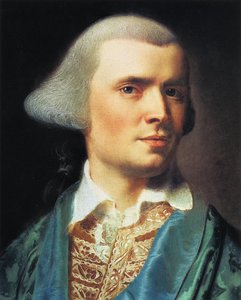
1738–1815, 美國
约翰·科普利
早年生活、家庭与艺术启蒙 1738年,约翰·科普利出生于殖民时期波士顿那充满商业气息的喧嚣之中。他的成长轨迹深深扎根于长码头(Long Wharf)繁荣的海事贸易之中,他的母亲玛丽·辛格尔顿·科普利在那里经营着一家店铺,而他的父亲理查德·科普利则是一名烟草商人。这种生活环境不仅为他提供了社会背景,更让他得以近距离观察物质世界的纹理与社会阶层的微妙差异,而这些元素在日后成为了他视觉语言的核心。他并非出身于艺术世家,但由于长期处于商人阶层的环绕之中,这确保了他能够敏锐地洞察那些他日后将要描绘的器物的价值与质感。 他对绘画艺术的正式接触源于他的继父彼得·佩勒姆,一位精通版画与临画的艺术家。尽管佩勒姆为他奠定了最初的技术基础,但约翰·科普利真正的艺术蜕变,实则是通过孤独且不懈的自我磨砺实现的。在很大程度上,他是一位自学成才的天才,他避开了传统的欧洲学院派体系,转而选择了一套严苛的自我修习课程。为了掌握光影与形态的运作机制,他花费了数年时间,一丝不苟地临摹各种版画。这种自律且自我驱动的成长方式,使他得以超越地域环境的局限,并培养出一种其在殖民地的前辈们所欠缺的精准技术表现力。殖民地肖像画家的崛起 到了 1760 年代,约翰·科普利已经确立了自己在波士顿作为顶尖肖像画家的领先地位。他所做的不仅仅是描绘面孔,更是在为殖民地精英阶层“制造”社会身份。他拥有一种非凡的能力,能将物质财富转化为视觉上的权威感,这使他成为了这座城市最具影响力人物的首选画师。在约翰·科普利的笔下,肖像画不再是简单的写实,而是一种投射社会地位的工具,他巧妙地利用织物的纹理与特定的器物,向观者昭示着受画者在社会等级中的显赫位置。 他那近乎严苛的技术精准度,使他的作品得以超越单纯的形似。在 1771 年创作的《伊萨克·冈斯沃思夫人画像(伊丽莎白·刘易斯)》中,对奢华面料的细腻刻画与优雅姿态的精准捕捉,传达出一种鲜明的社会阶层感。这种艺术处理绝非偶然,约翰·科普利利用每一个细节——从银器的微光到衣袖的褶皱——来精准地校准观众对受画者的认知。他将“坐像”这一行为,升华为一场关于财富与权力的精心策划的视觉表演。 他客户群体的广泛性,深刻反映了当时殖民地领导层格局的变迁。大约在 1768 年,他捕捉到了 保罗·里维尔 的容貌;而在 1772 年,他又为 塞缪尔·亚当斯 绘制了肖像。这些作品不仅仅是艺术委托,更是那些正在塑造殖民地政治未来的男人们的视觉档案。约翰·科普利的作品为这个处于转型期的社会提供了视觉语言,记录下了那些即将定义全新政治秩序的关键人物。艺术风格与技法 约翰·科普利的审美体现了洛可可式的优雅与启蒙运动理性主义之间一场经过深思熟虑的交汇。他并未止步于简单地复制前辈们那些装饰性的华丽笔触,而是用一种严谨的新古典主义视野对其进行了升华。这种创作方式赋予了作品秩序感、清晰度与道德美德,这些特质在当时的殖民地语境中引发了深层的共鸣。他的作品巧妙地避开了纯装饰风格中常见的肤浅感,而是将每一幅构图都扎根于解剖学的准确性与心理深度之中。他从不满足于仅仅描绘表象的相似性,而是通过人物的姿态与神情来揭示内在的性格,从而将简单的肖像画转化成一场对人类身份的精准研究。 在绘画技法的执行上,他的作品依赖于一种极其精妙的半透明色层叠加法。这种技法结合了迅捷的笔触,使他在处理质感与光影时达到了极高的写实程度。他拥有一种非凡的能力,能够以一种令人屏息的即时感,精准地呈现物质世界的细节——无论是织物的沉重垂坠感、金属的冰冷光泽,还是皮肤上微妙的色调过渡。这种精湛的技艺确保了他的主体在画面中呈现为具有实体感的生命存在,而非扁平的图像。通过对光影交织的精妙掌控,他塑造出的形象不仅拥有真实的体积感,更散发出一种永恒的生命力。 杰拉斯梅尔·鲍尔斯夫人 海王星的回归 约翰·温斯罗普夫人 雄心壮志与欧洲的召唤 约翰·科普利移居欧洲,是一场经过深思熟虑的尝试,旨在旧世界的艺术中心稳固自己的地位。早在离开美洲之前,他的才华便已在伦敦崭露头角;1766年9月3日,他被选为大不列颠皇家艺术学会的院士。这份认可为他最终的迁徙提供了必要的动力。1774年,他告别了北美十三州,与妻子苏珊娜·法恩斯沃思·克拉克及孩子们一同踏上了旅程。同年,他在伦敦定居,此后便再未回到美国。 他在欧洲的岁月,可以用对古典训练的执着追求来形容。1774年的夏天,他前往罗马深造,试图通过这种方式精进自己在构图与历史叙事方面的造诣。这段学习时光并非一次简单的游历,而是他职业生涯轨迹的一次根本性转变。通过将自己置于伦敦这一艺术舞台,他渴望实现从一名殖民地肖像画家到具有重大历史分量画家的蜕变,在英国艺术界的严苛标准下,不断检验并磨炼自己的技术极限。主要作品与历史绘画 约翰·科普利的作品展现了一种深思熟虑的转型:从那些奠定他在殖民地地位的社会肖像画,转向了充满挑战的历史绘画领域。他在早期对古典主题的探索,在约创作于1754年的海王星归来中已初露锋芒。这部作品通过借鉴古典大师的构图方式,展现了他试图超越波士顿精英阶层单纯面貌描绘的早期尝试。即便是在他更具私人色彩的描绘中,例如1776年的科普利家族,也能清晰地感受到他通过精心编排的场景与器物,利用画布来确立特定社会身份的意图。 移居欧洲的经历,促使他更加积极地追求历史叙事。他试图挑战那个时代最受尊崇的艺术流派,经常选择具有强烈戏剧冲突或政治分量的场景。约创作于1778年的沃森与鲨鱼便体现了这种对戏剧张力的追求。而在这一创作方向上,他最宏大的尝试当属皮尔森少校之死,这部作品试图捕捉泽西岛战役中的混乱场面。尽管部分评论家对其构图提出了质疑,但这幅画作仍被视为将现代冲突转化为宏大历史艺术规模的一次重要尝试。 他在伦敦的艺术生涯后期,开始着手处理复杂的政治场景,例如1779年的查塔姆伯爵在议会下院的倒下。这部作品将视角从战场转向了英国政治治理中那种结构严谨且高度紧张的环境。通过这些多样的题材,约翰·科普利试图证明,一位在殖民地受训的画家,同样能够驾驭欧洲历史传统中那些厚重且具戏剧性的艺术要求。晚年与逝世 约翰·科普利在伦敦生活的最后篇章,伴随着他曾经拥有的职业势头的逐渐消退。与他早年声名显赫的时期相比,他的晚年生活显得并不那么成功。财务上的不稳定如影随形,笼罩着他的生命最后阶段,最终他在沉重的债务中走向了生命的终点。这种经济上的窘迫,与他早年通过殖民地肖像画为新英格兰精英阶层所定义的显赫社会地位,形成了极其鲜明的对比。 1815年,约翰·科普利在伦敦去世。他的遗骸被安葬在萨里郡克罗伊登的克罗伊登大教堂。尽管他的艺术生涯在经济压力中落幕,但他那精湛的写实技巧,在研究18世纪肖像画与历史构图的领域中,依然是一个不可磨灭的标杆。
约翰·科普利 的其他作品
 华生与鲨鱼1778
 Brook Watson and the Shark1778
 Paul Revere1768
 The Colapse of the Earl of Chatham in the House of Lords (also known as The Death of the Earl of Chatham)1779

关于 Jane Browne 的论文集
 The Art of the Gaze: A Collector's Guide to Mastering Portrait Composition and Emotional DepthMaster the nuances of portrait composition with our expert guide for collectors. Discover how light, gaze, and texture create emotional dep…
 Elegance and Inner Worlds: The Introspective Portraiture of Young Women in Impressionist ArtExplore the soulful depth of Impressionist female portraits through expert analysis. Discover the beauty of the inward gaze today.
 Beyond the Brush: The Soul and Process of Contemporary Abstract ArtExplore the profound depths of contemporary abstract art. From Abstract Expressionism to gestural minimalism, discover how texture, color, …