1927
The Kitchen (Isabel Codrington, 1927)
Isabel Codrington (1874–1943) 创作了《The Kitchen》。 创作于 1927 年。 现藏于Bournemouth, United Kingdom的Russell。

 实景预览

 手工油画复制品
 分享
 分享
 详情页


 下载作品
 相似作品
 X射线
 幻灯片播放
 问答

 统计数据
The Kitchen简介
- 标题
- The Kitchen
- 艺术家
- Isabel Codrington (1874–1943)
- 艺术家出生于
- Swimbridge, United Kingdom
- 日期
- 1927
- 观赏地点
- Russell, Bournemouth, United Kingdom
哪家博物馆收藏有 The Kitchen?
Russell
Bournemouth, United Kingdom
A Victorian Sanctuary by the Sea Nestled precariously yet proudly upon Bournemouth’s dramatic East Cliff, overlooking the shimmering, restless expanse of the English Channel, stands a testament to Victorian passion and the art of collecting: the Russell-Cotes Art Gallery & Museum. To approach this magnificent edifice is to step away from the modern world and into a curated dreamscape of late nineteenth-century opulence. Originally known as East Cliff Hall, the building was conceived in 1897 by Sir Merton Russell-Cotes as an extravagant birthday gift for his beloved wife, Lady Annie.


The Kitchen 的高分辨率图像
Isabel Codrington, The Kitchen (1927), Russell. 公有领域
关于 The Kitchen 的常见问题解答
在哪里可以观赏到 Isabel Codrington 的《The Kitchen》 的原作?
您可以在 Russell, Bournemouth, United Kingdom 欣赏到原件《The Kitchen》。
Isabel Codrington 的《The Kitchen》 的创作年份是哪一年?
"The Kitchen"创作于1927年。这一时期将该作品置于Isabel Codrington的艺术生涯及其所处时代之中。
Isabel Codrington 的《The Kitchen》 是否属于公有领域?
关于版权,"The Kitchen" 属于 属于公有领域 —— 其版权已过期。
“The Kitchen”的作者是谁?
《The Kitchen》被归为Isabel Codrington的作品。
Isabel Codrington 创作《The Kitchen》时是多少岁?
Isabel Codrington 在 1927 年创作《The Kitchen》时,年龄为 53 岁。该年龄是根据艺术家的出生年份 1874 计算得出的。
为什么“The Kitchen”目前的版权状态是这样的?
"The Kitchen" 的版权状态 —— 属于公有领域 —— 其版权已过期 —— 取决于艺术家于 1943 年逝世这一事实。
"The Kitchen" 是否收藏于其创作者的本国?
是的——该作品目前存放于艺术家的原籍国。Isabel Codrington出生于United Kingdom,而原作《The Kitchen》则由位于United Kingdom的一家博物馆收藏。
关于艺术家 Isabel Codrington
1874–1943, United Kingdom
Isabel Codrington
A Legacy of Light and Line: The Life of Isabel Codrington In the vibrant, shifting landscape of early twentieth-century London, few artists possessed the quiet, enduring grace of Isabel Codrington. Born in 1874 in the picturesque village of Bydown, near Barnstaple, Devon, her life was an intricate tapestry woven from threads of literary depth and visual splendor. Raised by a father who embraced the theatricality of amateur playwriting and a mother who was herself a painter and writer, Codrington was immersed in a world where the boundaries between the written word and the painted image were perpetually blurred. This dual heritage of storytelling and observation would become the cornerstone of her creative identity, allowing her to infuse her works with a narrative soul that transcended mere representation.
Isabel Codrington 的其他作品
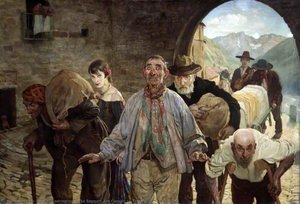 The Beggars Are Coming to Town
 Cantine Franco Britannique, Vitry le François1919
 Still Life, Vegetables1923
 Evening1925
关于 The Kitchen 的论文集
 Master of Abundance: The Top 25 Essential Artworks by Frans SnydersExplore 25 iconic Frans Snyders masterpieces of Flemish Baroque abundance. Discover the full collection online at OriginalUniqueArt.com.
 Gastronomic Canvas: Culinary Aesthetics & Artistic Representation for Hotel DesignExplore the captivating intersection of culinary arts & artistic representation for hotel design. Discover techniques to elevate dining exp…
 25 Vibrant Masterpieces by Ágatha Ruiz de la Prada: A Kaleidoscope of JoyImmerse yourself in the vibrant world of Ágatha Ruiz de la Prada. Explore 25 iconic artworks defined by bold colors and joyful pop art aest…