尺寸选择

() ·
为您亲手绘制的每一幅画作
手工油画复制品
由我们的艺术家按需定制,为您提供您所选尺寸及画框的布面手工油画。 ( 切换至版画销售渠道 切换至数字图像销售渠道)
 展开全文
展开全文
艺术家简介
佛罗伦萨 意大利 Giotto di Bondone Giotto 探索乔托·迪·本多纳(1267-1337),这位革命性的意大利画家! 发现他在斯克罗维尼教堂等作品中,具有前文艺复兴风格的壁画、自然主义和情感深度。艺术史上的关键人物。 前文艺复兴 马萨乔 齐马布埃 约 1267 年 1337 年 Giotto di Bondone 意大利人 斯克罗维尼教堂壁画 意大利佛罗伦萨 文艺复兴和巴洛克时期 3 乔托通常被认为是连接艺术史的两个时期的关键人物?
低于 ·
第1章
您需要多大的尺寸?
左右滑动以更改尺寸;左侧图片展示了画框的实际宽度。原图比例保持不变。
标准尺寸
定制
CM
INCH
您可以从与原作比例一致的预设尺寸中进行选择。
正在加载尺寸...

宽度
高度
请输入您需要的宽度和高度,以适配您的画框或墙面。由于作品为手工绘制,若选择不同比例的尺寸,艺术家可能会在画面边缘多画一些或稍作裁剪 —— 由您决定。在开始绘画之前,我们会为您发送一份数字效果图供您确认。本页面上展示的图片并非最终实物 —— 只有效果图才能反映真实结果。
第二章
您希望以何种方式送达?
选择绷边画布的边缘样式
选择您的画框

白色边缘 ¥1

边缘晕染效果 ¥1

延展式 ¥1

P118B ¥10

P118H ¥10

P118W ¥10

P438Z ¥10

P508JH ¥12

P508YH ¥12

P805H ¥10

P805Z ¥10

P919BZ ¥10

P919G ¥10

P919XJ ¥10

P959ZH ¥10

P968JZ ¥12

W106C ¥8

W218G ¥10

W218JH ¥8

W218Y ¥10

W307PJ ¥10

W316G ¥10

W316PJ ¥8

W316Y ¥10

W398PJ ¥8

W4111J ¥10

W500HY ¥15

W500JH ¥15

W692G ¥12

W849H ¥8

W940BG ¥15

W953PJ ¥8

H24-GOLD ¥30

H24-SILVER ¥30

H36-GOLD ¥45

H36-SILVER ¥45
带框
边框材质: . 含框总尺寸: .
第三章
谁创作了这幅作品,是否需要进行任何改动?
第四章
最后的润色
像博物馆里的那样,配上一块铭牌?
青铜铭牌雕刻详情
This elegant plaque features the artist's name and the title of the artwork, finely engraved for a timeless presentation.
It is made from bronze with a refined, elegant finish. The text is precisely laser-engraved for a sharp and permanent result. Measuring 9x2 cm, the plaque is compact yet easy to read. It's built to be durable and scratch-resistant, offering a professional, museum-quality look. Mounting is simple thanks to the included adhesive backing.
透明亚克力铭牌详情
The plaque includes essential engraved details such as the artist's name, the title of the artwork, the date it was created, the type of media used-like oil on canvas or watercolor-a brief description of the piece, and a QR code that links to the complete artwork information.
It is crafted from clear acrylic, offering a sleek, modern appearance. The text is UV-engraved in black to ensure strong visual contrast. With a size of 10x15 cm, it ensures optimal readability. It comes equipped with two metal hooks for secure wall mounting. The plaque is designed to be weather-resistant, making it suitable for various environments, and it includes interactive features that work seamlessly with smartphone scanning.
黑色亚克力铭牌详情
This elegant plaque includes engraved information such as the artist's name, the title of the artwork, the date it was created, the type of media used (like oil on canvas or watercolor), a short description of the artwork, and a QR code for quick access to more information.
The plaque itself is made from refined black acrylic with a premium finish. The text is laser-engraved in white for high contrast and readability. Its size is 10x15 cm, designed to be easy to read. It comes with two metal hooks for professional mounting. The design is sleek and fits any interior style. It is also weather-resistant and durable, with built-in digital integration for mobile compatibility.
需要保护性光油吗?
您预计何时收到?
第五章
您的画作,正如您所订购的那样

十字架 (17)
复制品材质
复刻品尺寸
-

精选资深艺术家
更丰富的细节、更精湛的工艺以及更充裕的制作时间
-

复制画装裱选项
-
-
对于任何边长超过 105 厘米(约 41 英寸)的艺术品或复制品,画框将以拆解后的组件形式发货。此方法可确保安全送达并防止运输过程中的损坏。
需由专业人员组装 —— 本产品不适用于 DIY 操作。
该组件必须由经验丰富的专业装裱师进行组装及画布绷装,过程中需使用木工胶(不随附)、画布绷边钳以及夹具,以确保在胶水干燥期间保持内框方正。组装不当或画布张力不均可能会对艺术品造成永久性损坏,且此类情况不在我们的保修范围之内。
 对于任何边长超过 105 厘米(约 41 英寸)的艺术品或复制品,画框将以拆解后的组件形式发货。此方法可确保安全送达并防止运输过程中的损坏。
包含所有实木条,尺寸精确,便于组装。
使用随附的螺丝进行组装,另需准备用于角部连接的木工胶(本品不含木工胶),请由您的装裱师自行准备。
需另备专业工具(本套件不含):画布绷紧钳以及用于在胶水干燥过程中保持木条方正的夹具。
重要提示:
角部连接处需要使用木工胶,边框条必须使用夹具固定直至胶水完全干透,且在组装好的框架上绷紧画布需要用到画布拉伸钳。以上工具均不包含在套装内。请在订购此尺寸前,预先联系经验丰富的专业装裱师。

展品铭牌
-
-

保护性清漆
光泽清漆(提亮色彩,防光防潮)
-

定制我的艺术品
定制化示例:替换面部为客户照片;添加宠物(例如,将猫替换为狗);在背景中加入隐藏信息;更改背景风景或元素。
-

加急
全球配送()仅需 3-4 周即可送达,无需等待标准时效的 5 周。(7 November)。品质始终如一,绝不妥协。
-
极速达
全球配送(),预计 5 周送达。(14 November)。
已包含
最终结算价
¥ 2012
玻璃选项仅适用于110厘米以下的尺寸。
每份订单均包含
- 全球免运费特快专递服务
- 优质亚麻画布
- 全程运输保险
- 关税退款保证
- 色彩精准还原保证
- 100天退货保障(仅限制造缺陷)
- 100% 退款保证
- 多件购买优惠


 实景预览
实景预览
 分享
分享 分享
分享
 详情
详情 指南
指南

 下载作品
下载作品
 相似作品
相似作品 X射线
X射线 幻灯片播放
幻灯片播放 问答
问答 统计数据
统计数据数据概览
- 1310创作年份
- 29可选画框
- 标准尺寸,各具比例
- 5需数周时间进行绘制与交付
关于原作

- 430.0 x 303.0 cm


乔托
1267 - 1337, 意大利
关于 乔托 的简介
- Artistic Movement Or Style: 前文艺复兴
- Artists Or Movements Influenced By This Artist:
- 马萨乔
- 文艺复兴艺术
- Artists Who Influenced This Artist: ['西马布']
- Date Of Birth: 约1267年
- Date Of Death: 1337年
- Full Name: 焦托·迪·本多纳
- Nationality: 意大利人
- Notable Artworks:
- 斯克罗维尼礼拜堂壁画
- 奥格尼桑蒂圣母图
- Place Of Birth: 佛罗伦萨, 意大利
艺术家简介
佛罗伦斯的牧羊男孩:乔托的革命性视野
大约在1267年,乔托·迪·邦多内诞生于佛罗伦斯附近连绵起伏的山丘之中。他从卑微的身世崛起,成为了中世纪艺术惯例向文艺复兴过渡中最关键的人物之一。他的早期生活充满了传奇色彩——一个牧羊男孩在岩石上描绘出栩栩如生的羊群,引起了佛罗伦萨大师西马布威的注意。无论这是否是事实或民间传说,这个故事都浓缩了乔托的天赋精髓:一种天生能够以前所未有的真实感和情感深度捕捉自然世界的才能。作为西马布威的学徒,乔托很快超越了他的老师,吸收了技术技能,但开辟了一条截然不同的道路。当时占据主导地位的拜占庭风格偏爱程式化的形象、扁平透视和华丽的金背景——这些是精神超脱的象征,而不是对世俗现实的描绘。然而,乔托渴望将人性描绘成并非空灵的偶像,而是充满情感、存在于有形空间中的个体。
挣脱拜占庭的束缚:一种新的自然主义
乔托的艺术革命不是一次突发的变革,而是一个逐渐演变的过程。他早期的作品已经暗示了即将到来的转变,展示了一种对体积、重量和可信解剖结构的日益重视。他开始观察光与影,不仅仅将其视为装饰性元素,而是作为塑造形式和创造深度的工具。这种新兴的自然主义在他在阿西西上教堂圣弗朗西斯大殿的壁画中所做的贡献中显而易见——尽管作者身份仍存在争议,但许多学者认为乔托的手笔出现在那些明显偏离了盛行拜占庭美学的场景中。他并非简单地拒绝传统;他是在建立在传统的基础上,将新的人性与情感共鸣注入到既定的形式中。他理解叙事的强大力量,创作出讲述故事的构图,而不仅仅是通过僵化的象征主义,而是通过富有表现力的姿态、可信的互动和精心构建的环境。
斯克罗韦尼礼拜堂:叙事杰作
乔托的杰作,也是西方艺术史上最重要的作品之一,是装饰帕多瓦斯克罗韦尼礼拜堂(也被称为竞技场礼拜堂)的壁画循环。这项约在1305年完成的系列作品以革命性的真实感和情感强度描绘了基督和圣母玛利亚的一生。每个场景都像一个精心策划的戏剧展开,其中的人物并非宗教原型,而是体验着喜悦、悲伤、恐惧和希望的完全实现的人类个体。主导整个墙壁的《末日审判》是乔托在传达神圣威严和人类面对最终清算的原始脆弱性方面的技能的有力证明。透视的使用,尽管没有达到后来文艺复兴时期精确的标准,却创造了一种令人信服的深度幻觉,将观众带入叙事之中。人物扎根于大地,他们的身体具有重量和体积,而他们的表情传达了前所未见的各种情感。
超越壁画:建筑与持久的影响
乔托的才华不仅限于绘画;他也是一位受人尊敬的建筑师。1334年,他被委托设计佛罗伦萨大教堂的钟楼——一个展示了他对建筑形式创新方法的项目的基石。尽管他在竣工前去世了,但他的设计为这座标志性的佛罗伦萨地标奠定了基础。他对后世艺术家的影响是不可估量的。他弥合了中世纪和文艺复兴世界之间的鸿沟,为像马萨乔、列奥纳多·达·芬奇和米开朗基罗这样的大师铺平了道路。正如瓦萨里在具有里程碑意义的《艺术家传记》中所说的那样,乔托“赋予了绘画从生活中进行创作的伟大艺术”,证明了他对西方艺术进程产生的深刻影响。乔托并非仅仅描绘世界;他试图理解它,捕捉它的本质,并通过视觉叙事的强大力量来传达这种理解。
主要成就与持久的影响
- 革命性的绘画:从拜占庭风格转向自然主义和情感现实主义。
- 透视的先驱:引入技术以在绘画中创造深度和空间意识。
- 卓越的叙事技巧:通过壁画循环(如斯克罗韦尼礼拜堂)创作引人入胜的叙事。
- 建筑贡献:设计了佛罗伦萨大教堂的钟楼,展示了建筑技能。
- 文艺复兴艺术的基础: 他的作品为文艺复兴时期的艺术成就奠定了基础。
相关文章
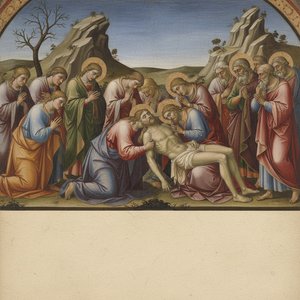
Giotto di Bondone: Revolutionizing Late Medieval Painting through Narrative Innovation
Explore the revolutionary art of Giotto di Bondone! Discover his groundbreaking techniques, iconic frescoes like those in the Arena Chapel, and lasting impact on Renaissance painting. A deep dive for art enthusiasts.
Proto-Renaissance Masters: 10 Artworks That Changed History | OriginalUniqueArt
Journey back to the dawn of Renaissance art! Explore 10 iconic Proto-Renaissance masterpieces by Giotto, Cimabue & Duccio. Discover their stories, techniques & lasting impact. Find museum-quality reproductions for your home at OriginalUniqueArt.com

乔托大师25幅杰作:文艺复兴的先驱与永恒艺术之美 | OriginalUniqueArt
探索乔托·迪·邦杜内25幅杰作,见证文艺复兴的曙光!深入了解这位意大利艺术大师的壁画、绘画技巧与永恒魅力。在OriginalUniqueArt.com发现高品质艺术复制品,为您的家居增添经典之美。
High Medieval Art: 10 Masterpieces That Shaped an Era | OriginalUniqueArt
Journey through High Medieval Art! Explore 10 iconic masterpieces – from Giotto's frescoes to stunning Gothic cathedrals. Discover the stories behind these timeless paintings, sculptures & illuminated manuscripts. Find museum-quality art reproductions at OriginalUniqueArt.com.
探索按主题、风格和特征分类的艺术作品。


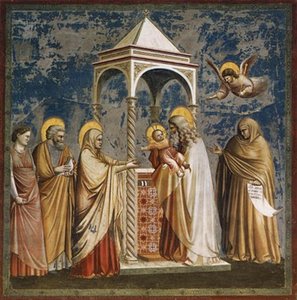


![斯克罗韦尼 - [05] - 约阿希姆之梦](/media/artworks/images-thumb/8f/67/8f67bb5da87296bd452b3f0b237b528d.jpg)


