American Realism
Excursion into Philosophy (爱德华·霍珀)
爱德华·霍珀 (1882–1967) 创作了《Excursion into Philosophy》。 它属于 American Realism 运动。 由 Oil On Canvas 创作。
- Oil On Canvas

 实景预览

 手工油画复制品
 分享
 分享
 详情页


 下载作品
 相似作品
 X射线
 幻灯片播放
 问答

 统计数据
Excursion into Philosophy简介
Excursion into Philosophy 描绘了什么内容?
A Quiet Drama: Unveiling Edward Hopper’s “Excursion into Philosophy”
Edward Hopper's "Excursion into Philosophy" is a profoundly evocative work that encapsulates the core tenets of American Realism, offering a glimpse into the introspective lives of ordinary individuals. Painted during a period of rapid social and cultural change in America, this piece transcends mere representation to become a meditation on solitude, contemplation, and the passage of time. Hopper masterfully captures a moment suspended between action and reflection, inviting viewers to project their own narratives onto the scene.Decoding the Scene: Subject & Composition
The painting depicts an intimate interior – a sparsely furnished room dominated by a bed and a window allowing soft, natural light to flood the space. A man sits on the edge of the bed, his gaze directed towards a woman lying prone on the floor nearby. A small table between them holds a book, suggesting intellectual engagement or perhaps a shared moment of quiet study. The composition is deliberately restrained; Hopper eschews dramatic gestures in favor of subtle positioning and nuanced body language. Two figures are partially visible in the background, adding to the sense of enclosure and hinting at lives unfolding beyond the immediate frame. The overall impression is one of stillness and psychological tension.Technique & Style: A Masterclass in Realism
Hopper’s technical prowess shines through in his meticulous rendering of light and shadow. Executed in oil, the painting boasts a rich texture and depth, achieved through careful layering and blending of pigments. His use of color is equally deliberate – a muted palette of blues, browns, and grays creates a somber yet serene atmosphere. The flattened perspective contributes to the sense of theatricality, almost as if we are observing a scene unfolding on a stage. This stylistic choice emphasizes the emotional weight of the moment rather than strict adherence to realistic spatial representation. Hopper’s dedication to realism wasn't about photographic accuracy; it was about capturing the essence of modern American life with honesty and psychological insight.Symbolism & Interpretation: Layers of Meaning
Several symbolic elements enrich the painting’s narrative complexity. The clock prominently displayed above the man serves as a potent reminder of time's relentless march, adding a philosophical dimension to the scene. Is it a symbol of lost opportunities, impending change, or simply the inevitable flow of existence? The book on the table suggests intellectual pursuit, but its closed position could imply stagnation or unresolved questions. The figures themselves are imbued with symbolic weight – their postures and expressions hinting at unspoken emotions and complex relationships. The expansive view visible through the window offers a contrasting sense of freedom and possibility, perhaps representing a longing for escape from the confines of the room—and potentially, from the constraints of life itself.Historical Context & Hopper’s Legacy
“Excursion into Philosophy” reflects the anxieties and uncertainties of post-World War I America. The painting emerged during a period marked by rapid urbanization, social upheaval, and a growing sense of alienation. Hopper's work resonated with audiences because it captured these feelings with unflinching honesty. He became one of the most important chroniclers of 20th-century American life, influencing generations of artists with his distinctive style and thematic concerns. His paintings continue to be celebrated for their emotional depth, technical brilliance, and enduring relevance.Emotional Resonance & Collecting Considerations
“Excursion into Philosophy” evokes a range of emotions – melancholy, introspection, quiet desperation, and perhaps even a glimmer of hope. It’s a painting that stays with the viewer long after they've turned away, prompting contemplation on the human condition. For collectors and interior designers, a reproduction of this work offers a sophisticated touch of American Realism, adding depth and intellectual weight to any space.- The muted color palette complements a variety of décor styles.
- The painting’s introspective mood creates a calming and contemplative atmosphere.
- Its iconic status ensures lasting artistic value.
Excursion into Philosophy 的高分辨率图像

Protected by copyright: these files are for personal reference, not a licence to republish.
爱德华·霍珀, Excursion into Philosophy.
关于 Excursion into Philosophy 的常见问题解答
爱德华·霍珀 的《Excursion into Philosophy》 的创作媒介是什么?
爱德华·霍珀 在作品《Excursion into Philosophy》中运用了 Oil On Canvas 技法。该技法界定了原作的材质特性。
爱德华·霍珀 的《Excursion into Philosophy》 中呈现了哪些主题?
爱德华·霍珀 的《Excursion into Philosophy》 中呈现的主题包括 solitude, isolation, reflection, urban scene, interior, light & shadow, american life, philosophical,这些主题共同构成了该艺术作品的主旨。
"Excursion into Philosophy" 是否属于公有领域作品?
爱德华·霍珀 的《Excursion into Philosophy》 的版权说明:该作品属于 仍受版权保护。这决定了是否可以自由进行图像复制。
"Excursion into Philosophy" 的创作艺术家是谁?
"Excursion into Philosophy" 的创作者是 爱德华·霍珀。该作品以 爱德华·霍珀 的名义编入目录。
爱德华·霍珀 的《Excursion into Philosophy》 属于哪种艺术流派?
爱德华·霍珀 的《Excursion into Philosophy》 所属的艺术流派为 American Realism。这一分类将该作品置于相关艺术家及艺术作品的语境之中。
《Excursion into Philosophy》属于 爱德华·霍珀 艺术生涯中的哪个时期?
“Excursion into Philosophy”创作于爱德华·霍珀艺术生涯的Mature Period时期。这一时期标志着该作品与艺术家艺术风格演进的紧密关联。
爱德华·霍珀 的《Excursion into Philosophy》 的版权情况是如何界定的?
爱德华·霍珀 的作品《Excursion into Philosophy》已进入 仍受版权保护。版权期限自艺术家逝世之日起计算,爱德华·霍珀 于 1967 年逝世。
"Excursion into Philosophy" 与 爱德华·霍珀 的其他作品有何共通之处?
在爱德华·霍珀的作品中,"Excursion into Philosophy" 呈现出American Realism风格,并延续了captures quiet, introspective moments的主题。
在爱德华·霍珀反复探讨的主题中,"Excursion into Philosophy"处于怎样的地位?
在爱德华·霍珀已记录的主题——captures quiet, introspective moments——之中,"Excursion into Philosophy" 则将焦点转向了solitude, isolation, reflection, urban scene, interior, light & shadow, american life, philosophical。
关于艺术家 爱德华·霍珀
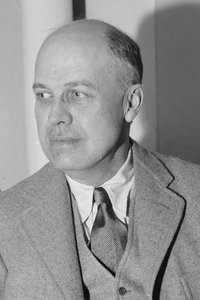
1882–1967, 美国
爱德华·霍珀
美国场景的静谧之美 爱德华·霍珀出生于美国纽约州的尼克镇。他的早年时光是在用一种沉稳而敏锐的目光观察世界中度过的,这种习惯始于他童年时期那些标注得一丝不苟、并签有名字的素描作品。尽管他的父母曾建议他选择商业插画这一务实的发展方向,但他的心始终向往着纯艺术。在纽约艺术学校,他师从 威廉·梅里特·切斯 和 罗伯特·亨利。在这些年的学习中,他掌握了描绘真实、赤裸世界所需的精湛技艺。他并未追求在巴黎邂逅的印象派那种转瞬即逝的笔触,相反,他发展出了一种独特的观察方式,比起人群的喧嚣,他更偏爱捕捉那一瞬间的静止。 他的作品往往聚焦于平凡的日常。他观察房屋、餐厅、办公室和酒店房间,通过剥离不必要的细节,去探寻场景背后隐藏的情感真相。在《铁路旁的房屋》(1925)中,简单的构图揭示出一种神秘与孤独感。他运用光影不仅仅是为了描绘房间,更是为了营造一种氛围。墙上阴影的精确刻画,或是光线洒向窗户的方式,都成为了他传达人物心理状态的独特语言。 光影与都市内心 光线进入空间的方式,在他画作中扮演着核心主角的角色。在《夜巡者》(1942)中,深夜餐厅里刺眼的荧光灯光划破了荒凉都市街道的黑暗。画中的人物虽然在物理距离上彼此靠近,却似乎都沉浸在各自的思绪中,彼此之间显得格格不入。这种在拥挤城市中的匿名感成为了他反复出现的主题。他捕捉到了在公共场所感到孤独的那种张力,这种情感在《自动点唱机》和《小城市办公室》等作品中引发了深刻共鸣。他痴迷于人工光源与夜晚自然黑暗之间交织出的奇妙互动。 他的妻子约瑟芬·尼维森·霍珀是他生命中恒久的陪伴。她本身也是一位艺术家,并经常担任他的模特。在许多女性形象的塑造中,都能感受到她的存在。他们共同过着简朴的生活,经常在纽英伦地区度过夏天,这深刻影响了他笔下的风景。他对美国景观——无论是乡村还是城市——的描绘,往往强调一种荒凉或空旷感。无论是《加油站》(1940)中路边的加油站,还是酒店里静谧的房间,其主题始终是物理空间与私人内心体验的交汇点。 观察者的艺术遗产 爱德华·霍珀的影响力早已延伸至电影和文学的视觉语言之中。他通过构图创造心理张力的能力,被许多研究图像叙事方式的学者所关注。他的画作至今仍收藏于世界各地的顶级博物馆中,例如纽约惠特尼美术馆和波士顿美术馆。他从未试图追求宏大的历史叙事,而是从日常生活的静谧角落中寻找题材,将一扇简单的窗户或一个匆匆而过的陌生人,转化为对人类生存状态的深刻研究。他的作品,始终是对人与人之间那份沉默的永恒探索。
爱德华·霍珀 的其他作品
 夜鷹,芝加哥藝術研究所,芝加哥1942
 自动餐厅(小幅)
 铁路旁的房屋1925
 纽约电影1939
关于 Excursion into Philosophy 的论文集
 Mastering Solitude: The Top 25 Iconic Artworks by Edward HopperStep into the quiet world of American Realism with our curated guide to the top 25 Edward Hopper artworks. Explore the light, shadow, and s…
 American contemporary realist paintersAmerican contemporary realist painters like Edward Hopper define modern life. Explore the full collection online at OriginalUniqueArt.com.
 Time's Relentless March: Decoding the Symbolism of Clocks and Hourglasses in Vanitas ArtExplore the profound symbolism of clocks and hourglasses in Dutch Vanitas art. Decode these Baroque masterpieces with our expert guide.