Contemporary Realism
Evening Wind (爱德华·霍珀)
爱德华·霍珀 (1882–1967) 创作了《Evening Wind》。 它属于 Contemporary Realism 运动。 由 Etching 创作。
- Etching

 实景预览

 手工油画复制品
 分享
 分享
 详情页


 下载作品
 相似作品
 X射线
 幻灯片播放
 问答

 统计数据
Evening Wind简介
Evening Wind 描绘了什么内容?
Identification of Evening Wind by Edward Hopper
The scene unfolds in 1930, a moment frozen in the quietude of Evening Wind. Edward Hopper captures a singular instance of stillness, presenting a portrait of quiet contemplation that feels as though it is happening right now, just beyond the reach of the viewer. The air seems to hold its breath as the subject settles into a private, internal world.
In this work, Edward Hopper focuses on the weight of a single, unspoken thought. The composition centers on a woman, her presence defined by a sense of vulnerability and the soft, restless movement of fabric. It is a study of the human condition caught in a pause, where the external world recedes to make room for the gravity of the individual experience.
Composition and Visual Elements
The scene unfolds from a slightly elevated perspective, as if the viewer is looking down into a private, quiet moment. At the heart of this arrangement, a figure sits kneeling near the edge of a bed. The composition relies on a striking interplay of geometry and movement. Strong vertical lines rise from the bedpost, anchoring the space with a sense of structural permanence. These rigid, upright forms clash against the fluid, contrasting curves of the figure's body and the billowing fabric of the sheets.
A dynamic tension pulls at the eye, caught between the unyielding verticality of the furniture and the restless, sweeping motion of the draped cloth. Behind the woman, the world falls away into a dark, undefined space. This void pushes the subject forward, heightening the sense of isolation within the room. The arrangement directs all attention to the central figure, making the stillness of the woman feel heavy against the sudden, outward surge of the linens.
Technique and Material Details
The artist works with a steady hand, pressing a needle tool into a metal plate to etch fine, decisive lines. This process of drypoint etching or engraving requires a meticulous touch to transfer the image onto the surface, which is typically composed of copper or zinc. Every stroke of the needle carves a path for the ink, preparing the plate for the moment of contact with paper. There is a rhythmic precision in how these marks are laid down, capturing the subtle textures of the scene through sheer physical effort.
Once the plate is prepared, ink is applied across the surface, settling into the grooves and depressions created by the tool. The printing process pulls this ink onto the paper, revealing a world of tonal nuance. To build depth and define the forms of the woman and the billowing fabric, the artist employs extensive hatching and cross-hatching. These dense networks of fine lines create the illusion of shadow and light, allowing the eye to perceive volume and texture where there is only ink and paper. The interplay of these marks gives the sheets a sense of movement and the shadows a palpable weight.
Color Palette and Lighting Effects
The scene unfolds within a strict monochrome grayscale scheme. There is no color to distract the eye, only a deliberate arrangement of light and shadow. Shades of gray stretch from the deepest, ink-like blacks to the palest, most fragile whites. This limited range forces the viewer to focus on the essential architecture of the moment, emphasizing the heavy texture of the fabric and the sharp contours of the room. Every tonal shift defines a shape or a surface, making the interplay of light feel tangible.
An unseen source of illumination cuts through the stillness, casting dramatic shadows that stretch across the space. This light creates a sharp, heavy contrast between the bright highlights and the dark, receding corners. The way the light hits the billowing sheets and the figure's form gives the composition a sense of volume and depth. It is a study in how darkness can define a space just as clearly as the light itself, carving out a sense of presence within the quiet, shadowed interior.
Subject Matter and Emotional Themes
A private moment unfolds in the stillness of a room, centered on a woman kneeling beside a bed. She exists in a state of quiet contemplation, her posture revealing a profound sense of vulnerability. Around her, the sheets billow outward, caught in an unseen movement that suggests a sudden, restless energy. These shifting fabrics act as metaphors for an internal emotional turbulence, mirroring a spirit that cannot find rest even in the sanctuary of a domestic space.
The atmosphere carries a heavy weight of quiet melancholy. There is a palpable sense of solitude here, as if the air itself is thick with unspoken thoughts. The scene invites a feeling of longing, pulling the viewer into a space defined by introspection and the heavy silence of a life lived in the margins of the everyday. One wonders what occupies her mind in this solitary hour, as the shadows deepen around her figure.
Related Works by Edward Hopper
The artist's earlier explorations reveal a steady gaze that began long before this intimate moment. In 1903, an Edward Hopper Self-Portrait captures a younger version of the man who would eventually master the art of stillness. By 1912, the work squam light shows a developing eye for the way illumination interacts with its surroundings. These early pieces hint at the profound ability to find meaning in the quietude of a single scene.
Other works from his career echo the themes of solitude and the subtle tension of human presence. In Night on the El Train, a sense of silence settles between figures, much like the unspoken narratives found in domestic interiors. The artist also turned his attention to simpler, more direct subjects, such as the nautical scene in The Catboat. Each piece reflects a persistent interest in the intersection of physical space and the private, internal experiences of those caught within it.
Evening Wind 的高分辨率图像
Protected by copyright: these files are for personal reference, not a licence to republish.
爱德华·霍珀, Evening Wind.
关于 Evening Wind 的常见问题解答
爱德华·霍珀 的《Evening Wind》 的创作媒介是什么?
爱德华·霍珀 的《Evening Wind》 的媒介为 Etching。复制品旨在呈现该技法的视觉效果。
爱德华·霍珀 的《Evening Wind》 中呈现了哪些主题?
"Evening Wind" 的描绘主题为 solitude, femininity, interior space, bedtime, darkness, light contrast, domesticity, vulnerability。
"Evening Wind" 是否属于公有领域作品?
爱德华·霍珀 的《Evening Wind》 属于 仍受版权保护。此版权状态决定了该作品图像的复制方式。
“Evening Wind”的作者是谁?
"Evening Wind" 的创作者是 爱德华·霍珀。该作品以 爱德华·霍珀 的名义编入目录。
"Evening Wind" 属于哪种艺术风格?
爱德华·霍珀 的《Evening Wind》 属于 Contemporary Realism 流派,该流派为这件作品提供了风格背景。
"Evening Wind" 属于 爱德华·霍珀 艺术生涯中的哪个时期?
“Evening Wind”创作于爱德华·霍珀艺术生涯的Mature Period时期。这一时期标志着该作品与艺术家艺术风格演进的紧密关联。
爱德华·霍珀 的《Evening Wind》 的版权情况是如何界定的?
爱德华·霍珀 的《Evening Wind》 已进入 仍受版权保护。版权保护期自艺术家逝世之日起计算,该艺术家于 1967 年逝世。
“Evening Wind”是如何体现 爱德华·霍珀 的创作主题与艺术风格的?
"Evening Wind" 是 爱德华·霍珀 Contemporary Realism 时期的代表作,其创作主题涵盖了 realism, psychological depth, urban isolation, domestic tranquility, hopper’s signature style。
在爱德华·霍珀反复探讨的主题中,"Evening Wind"处于怎样的地位?
在爱德华·霍珀已记录的主题——realism, psychological depth, urban isolation, domestic tranquility, hopper’s signature style——之中,"Evening Wind" 则将焦点转向了solitude, femininity, interior space, bedtime, darkness, light contrast, domesticity, vulnerability。
关于艺术家 爱德华·霍珀
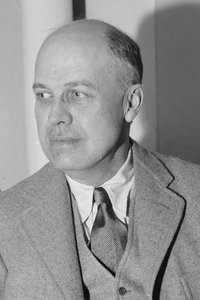
1882–1967, 美国
爱德华·霍珀
美国场景的静谧之美 爱德华·霍珀出生于美国纽约州的尼克镇。他的早年时光是在用一种沉稳而敏锐的目光观察世界中度过的,这种习惯始于他童年时期那些标注得一丝不苟、并签有名字的素描作品。尽管他的父母曾建议他选择商业插画这一务实的发展方向,但他的心始终向往着纯艺术。在纽约艺术学校,他师从 威廉·梅里特·切斯 和 罗伯特·亨利。在这些年的学习中,他掌握了描绘真实、赤裸世界所需的精湛技艺。他并未追求在巴黎邂逅的印象派那种转瞬即逝的笔触,相反,他发展出了一种独特的观察方式,比起人群的喧嚣,他更偏爱捕捉那一瞬间的静止。 他的作品往往聚焦于平凡的日常。他观察房屋、餐厅、办公室和酒店房间,通过剥离不必要的细节,去探寻场景背后隐藏的情感真相。在《铁路旁的房屋》(1925)中,简单的构图揭示出一种神秘与孤独感。他运用光影不仅仅是为了描绘房间,更是为了营造一种氛围。墙上阴影的精确刻画,或是光线洒向窗户的方式,都成为了他传达人物心理状态的独特语言。 光影与都市内心 光线进入空间的方式,在他画作中扮演着核心主角的角色。在《夜巡者》(1942)中,深夜餐厅里刺眼的荧光灯光划破了荒凉都市街道的黑暗。画中的人物虽然在物理距离上彼此靠近,却似乎都沉浸在各自的思绪中,彼此之间显得格格不入。这种在拥挤城市中的匿名感成为了他反复出现的主题。他捕捉到了在公共场所感到孤独的那种张力,这种情感在《自动点唱机》和《小城市办公室》等作品中引发了深刻共鸣。他痴迷于人工光源与夜晚自然黑暗之间交织出的奇妙互动。 他的妻子约瑟芬·尼维森·霍珀是他生命中恒久的陪伴。她本身也是一位艺术家,并经常担任他的模特。在许多女性形象的塑造中,都能感受到她的存在。他们共同过着简朴的生活,经常在纽英伦地区度过夏天,这深刻影响了他笔下的风景。他对美国景观——无论是乡村还是城市——的描绘,往往强调一种荒凉或空旷感。无论是《加油站》(1940)中路边的加油站,还是酒店里静谧的房间,其主题始终是物理空间与私人内心体验的交汇点。 观察者的艺术遗产 爱德华·霍珀的影响力早已延伸至电影和文学的视觉语言之中。他通过构图创造心理张力的能力,被许多研究图像叙事方式的学者所关注。他的画作至今仍收藏于世界各地的顶级博物馆中,例如纽约惠特尼美术馆和波士顿美术馆。他从未试图追求宏大的历史叙事,而是从日常生活的静谧角落中寻找题材,将一扇简单的窗户或一个匆匆而过的陌生人,转化为对人类生存状态的深刻研究。他的作品,始终是对人与人之间那份沉默的永恒探索。
爱德华·霍珀 的其他作品
 夜鷹,芝加哥藝術研究所,芝加哥1942
 自动餐厅(小幅)
 铁路旁的房屋1925
 纽约电影1939
关于 Evening Wind 的论文集
 Norwegian artworks of the 1920sNorwegian 1920s art by Edvard Munch and Nikolai Astrup defines an era of expressionism. View the full collection online at OriginalUniqueAr…
 爱德华·霍珀25幅杰作:光影中的美国孤寂与艺术传奇 (Edward Hopper's 25 Masterpieces: American Solitude and Artistic Legacy in Light and Shadow)探索爱德华·霍珀25幅经典作品,感受美国现实主义的光影魅力与寂静之美。深入了解每件画作背后的故事、艺术技巧及文化意义。OriginalUniqueArt.com提供高清油画复制和精选家居装饰灵感。立即探索完整系列!
 The Incised Line: A Technical and Historical Study of Intaglio PrintmakingMaster the technical nuances of intaglio, from engraving to mezzotint. Explore the history of the recessed line now.