American Realism
cape cod evening (爱德华·霍珀)
爱德华·霍珀 (1882–1967) 创作了《cape cod evening》。 它属于 American Realism 运动。 由 Oil On Canvas 创作。
- Oil On Canvas

 实景预览

 手工油画复制品
 分享
 分享
 详情页


 下载作品
 相似作品
 X射线
 幻灯片播放
 问答

 统计数据
cape cod evening简介
cape cod evening 描绘了什么内容?
A Portrait of Quietude: The Haunting Stillness of Cape Cod Evening
In the quiet corners of American Modernism, few images resonate with as much profound, whispered intensity as Edward Hopper’s Cape Cod Evening. At first glance, the painting presents a deceptively simple tableau—a solitary dog resting peacefully on a lush lawn before a modest house, nestled amidst a protective embrace of trees. Yet, beneath this unassuming surface lies a masterful exploration of the human experience within the confines of modern life. Hopper eschews grand, dramatic narratives in favor of capturing a fleeting moment of stillness and introspection, inviting the viewer to step into a world where time seems to have momentarily suspended its march.
The scene is bathed in the soft, fading light of dusk, a period that inherently carries a sense of transition and melancholy. As the shadows lengthen across the field of tall grass, the composition anchors itself with the weight of the farmhouse, creating a balanced yet tension-filled atmosphere. The presence of a figure near the edge of the frame and the watchful eyes of the resting dog add layers of life to the landscape, yet they do not disrupt the pervasive sense of isolation. Instead, they serve to emphasize the vast, quiet space that surrounds them, making the painting feel like a private window into a world of deep, unspoken stories.
Mastery of Light and American Realism
Hopper’s signature style is a breathtaking marriage of stark realism and an almost dreamlike quality. In Cape Cod Evening, his technique shines through the meticulous rendering of textures—the rough bark of the trees, the subtle sheen on the windowpanacy, and the soft undulations of the grass. Executed primarily in oil on canvas, the work utilizes sophisticated layering techniques to build up tonal gradations that subtly illuminate the composition from within. This careful blending of light and shadow is what gives the painting its palpable atmosphere, a feeling of quiet solitude punctuated by hints of an underlying unease.
The artist employs a muted color palette that aligns perfectly with the broader aesthetic currents of American Modernism. By flattening perspectives and utilizing desaturated tones, Hopper creates a sense of detachment, as if the viewer is observing a memory rather than a living moment. This stylistic choice transforms a simple New England landscape into a psychological space. For collectors and interior designers, this ability to evoke emotion through subtle chromatic shifts makes the piece an extraordinary focal point, capable of bringing a sophisticated, contemplative energy to any curated space.
Symbolism and the Echoes of Modernity
To understand Cape Cod Evening is to look beyond its visual realism and engage with its profound symbolic significance. The dog, resting in the foreground, serves as a poignant symbol of companionship and vulnerability, acting as an emotional anchor amidst the encroaching shadows. The house itself represents domesticity and the sanctuary of home, yet through Hopper’s lens, it also hints at confinement and the boundaries of our social existence. Even the distant windows, offering mere glimpses into unseen interiors, suggest the presence of other lives that remain tantalizingly out of reach.
Painted during a period of significant social transformation in America, the work reflects the growing anxieties of an era marked by rapid urbanization and industrialization. The sense of alienation captured here is not merely a stylistic choice but a reflection of the pervasive feeling of isolation that emerged as the individual's role within society began to shift. This historical depth gives the painting an enduring relevance; it speaks to the universal human condition of seeking connection within a vast, often indifferent world. Owning a high-quality reproduction of this masterpiece is more than an aesthetic choice—it is an invitation to dwell within the beautiful, haunting mystery of the quiet moment.
cape cod evening 的高分辨率图像
Protected by copyright: these files are for personal reference, not a licence to republish.
爱德华·霍珀, cape cod evening.
关于 cape cod evening 的常见问题解答
“cape cod evening”采用了什么技法制作?
爱德华·霍珀 的《cape cod evening》 的媒介为 Oil On Canvas。复制品旨在呈现该技法的视觉效果。
“cape cod evening”的主题是什么?
"cape cod evening" 的描绘主题为 evening landscape, domestic scene, rural tranquility, solitude, urban dwelling, dog figure, window light。
爱德华·霍珀 的《cape cod evening》 的图像可以自由转载吗?
爱德华·霍珀 的《cape cod evening》 的版权说明:该作品属于 仍受版权保护。这决定了是否可以自由进行图像复制。
“cape cod evening”的作者是谁?
"cape cod evening" 由 爱德华·霍珀 创作。本页面的信息旨在介绍 爱德华·霍珀 的原作。
爱德华·霍珀 的《cape cod evening》 属于哪种艺术流派?
爱德华·霍珀 的《cape cod evening》 所属的艺术流派为 American Realism。这一分类将该作品置于相关艺术家及艺术作品的语境之中。
"cape cod evening" 属于 爱德华·霍珀 艺术生涯中的哪个时期?
"cape cod evening" 展现了 爱德华·霍珀 在 Mature Period 时期的艺术风格。
为什么“cape cod evening”目前的版权状态是这样的?
爱德华·霍珀 的《cape cod evening》 已进入 仍受版权保护。版权保护期自艺术家逝世之日起计算,该艺术家于 1967 年逝世。
“cape cod evening”是如何体现 爱德华·霍珀 的创作主题与艺术风格的?
"cape cod evening" 与 爱德华·霍珀 的其他作品一样,都体现了 American Realism 风格以及其一贯的主题:realist observation, american identity, quiet reflection。
"cape cod evening" 的主题与 爱德华·霍珀 常有的创作主题有何关联?
"cape cod evening" 描绘了 evening landscape, domestic scene, rural tranquility, solitude, urban dwelling, dog figure, window light,而 爱德华·霍珀 的创作主题则以 realist observation, american identity, quiet reflection 见长。通过两者的对比,可以发现此作与艺术家惯用题材之间的内在联系。
关于艺术家 爱德华·霍珀
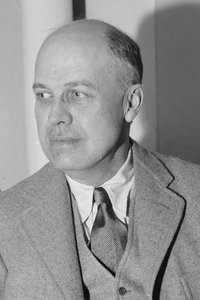
1882–1967, 美国
爱德华·霍珀
美国场景的静谧之美 爱德华·霍珀出生于美国纽约州的尼克镇。他的早年时光是在用一种沉稳而敏锐的目光观察世界中度过的,这种习惯始于他童年时期那些标注得一丝不苟、并签有名字的素描作品。尽管他的父母曾建议他选择商业插画这一务实的发展方向,但他的心始终向往着纯艺术。在纽约艺术学校,他师从 威廉·梅里特·切斯 和 罗伯特·亨利。在这些年的学习中,他掌握了描绘真实、赤裸世界所需的精湛技艺。他并未追求在巴黎邂逅的印象派那种转瞬即逝的笔触,相反,他发展出了一种独特的观察方式,比起人群的喧嚣,他更偏爱捕捉那一瞬间的静止。 他的作品往往聚焦于平凡的日常。他观察房屋、餐厅、办公室和酒店房间,通过剥离不必要的细节,去探寻场景背后隐藏的情感真相。在《铁路旁的房屋》(1925)中,简单的构图揭示出一种神秘与孤独感。他运用光影不仅仅是为了描绘房间,更是为了营造一种氛围。墙上阴影的精确刻画,或是光线洒向窗户的方式,都成为了他传达人物心理状态的独特语言。 光影与都市内心 光线进入空间的方式,在他画作中扮演着核心主角的角色。在《夜巡者》(1942)中,深夜餐厅里刺眼的荧光灯光划破了荒凉都市街道的黑暗。画中的人物虽然在物理距离上彼此靠近,却似乎都沉浸在各自的思绪中,彼此之间显得格格不入。这种在拥挤城市中的匿名感成为了他反复出现的主题。他捕捉到了在公共场所感到孤独的那种张力,这种情感在《自动点唱机》和《小城市办公室》等作品中引发了深刻共鸣。他痴迷于人工光源与夜晚自然黑暗之间交织出的奇妙互动。 他的妻子约瑟芬·尼维森·霍珀是他生命中恒久的陪伴。她本身也是一位艺术家,并经常担任他的模特。在许多女性形象的塑造中,都能感受到她的存在。他们共同过着简朴的生活,经常在纽英伦地区度过夏天,这深刻影响了他笔下的风景。他对美国景观——无论是乡村还是城市——的描绘,往往强调一种荒凉或空旷感。无论是《加油站》(1940)中路边的加油站,还是酒店里静谧的房间,其主题始终是物理空间与私人内心体验的交汇点。 观察者的艺术遗产 爱德华·霍珀的影响力早已延伸至电影和文学的视觉语言之中。他通过构图创造心理张力的能力,被许多研究图像叙事方式的学者所关注。他的画作至今仍收藏于世界各地的顶级博物馆中,例如纽约惠特尼美术馆和波士顿美术馆。他从未试图追求宏大的历史叙事,而是从日常生活的静谧角落中寻找题材,将一扇简单的窗户或一个匆匆而过的陌生人,转化为对人类生存状态的深刻研究。他的作品,始终是对人与人之间那份沉默的永恒探索。
爱德华·霍珀 的其他作品
 夜鷹,芝加哥藝術研究所,芝加哥1942
 自动餐厅(小幅)
 铁路旁的房屋1925
 纽约电影1939
关于 cape cod evening 的论文集
 American artworks of the 1950sIconic 1950s American works by Edward Hopper and Richard Avedon define an era. Explore the full collection online at OriginalUniqueArt.com.
 American artworks of the 1940sIconic 1940s American works by Edward Hopper and Dorothea Lange. Explore the full collection online at OriginalUniqueArt.com.
 爱德华·霍珀25幅杰作:光影中的美国孤寂与艺术传奇 (Edward Hopper's 25 Masterpieces: American Solitude and Artistic Legacy in Light and Shadow)探索爱德华·霍珀25幅经典作品,感受美国现实主义的光影魅力与寂静之美。深入了解每件画作背后的故事、艺术技巧及文化意义。OriginalUniqueArt.com提供高清油画复制和精选家居装饰灵感。立即探索完整系列!