Wang Yuanqi 肖像

22 幅最著名的 Wang Yuanqi 作品,画廊精选

更新于 October 2026 · 基于我们的流行度评分排名(每件作品的搜索量、访问量及订单量) · 22 件 Wang Yuanqi 作品收录于我们的目录中

简而言之

在 Wang Yuanqi 留下的所有原作中,最著名的作品是 Landscape for Zhanting (1710)。 紧随其后的是 Wangchuan Villa (1711) 和 Landscape (1678)。 我们的目录收录了 Wang Yuanqi 的 22 件作品;画廊完整保留了 22 件享誉世界的杰作,并为每一件作品详细标注了创作日期、馆藏机构及其背后的故事。

1642 – 1715, Taicang 藏品最多:大都会艺术博物馆

Wang Yuanqi 的十大名画:画廊精选

1
Landscape for Zhanting (1710) 由 Wang Yuanqi

Landscape for Zhanting

1710 · Ink

In Landscape for Zhanting, the artist Wang Yuanqi presents a vast mountain range that stretches across the entire width of the silk. Snow-capped peaks rise against the sky, their white summits catching the light amidst the rugged terrain. These mountains form a heavy, continuous boundary that defines the horizon. The scale of the landscape creates a sense of immense depth, pulling the eye through layers of stone and mist.
2
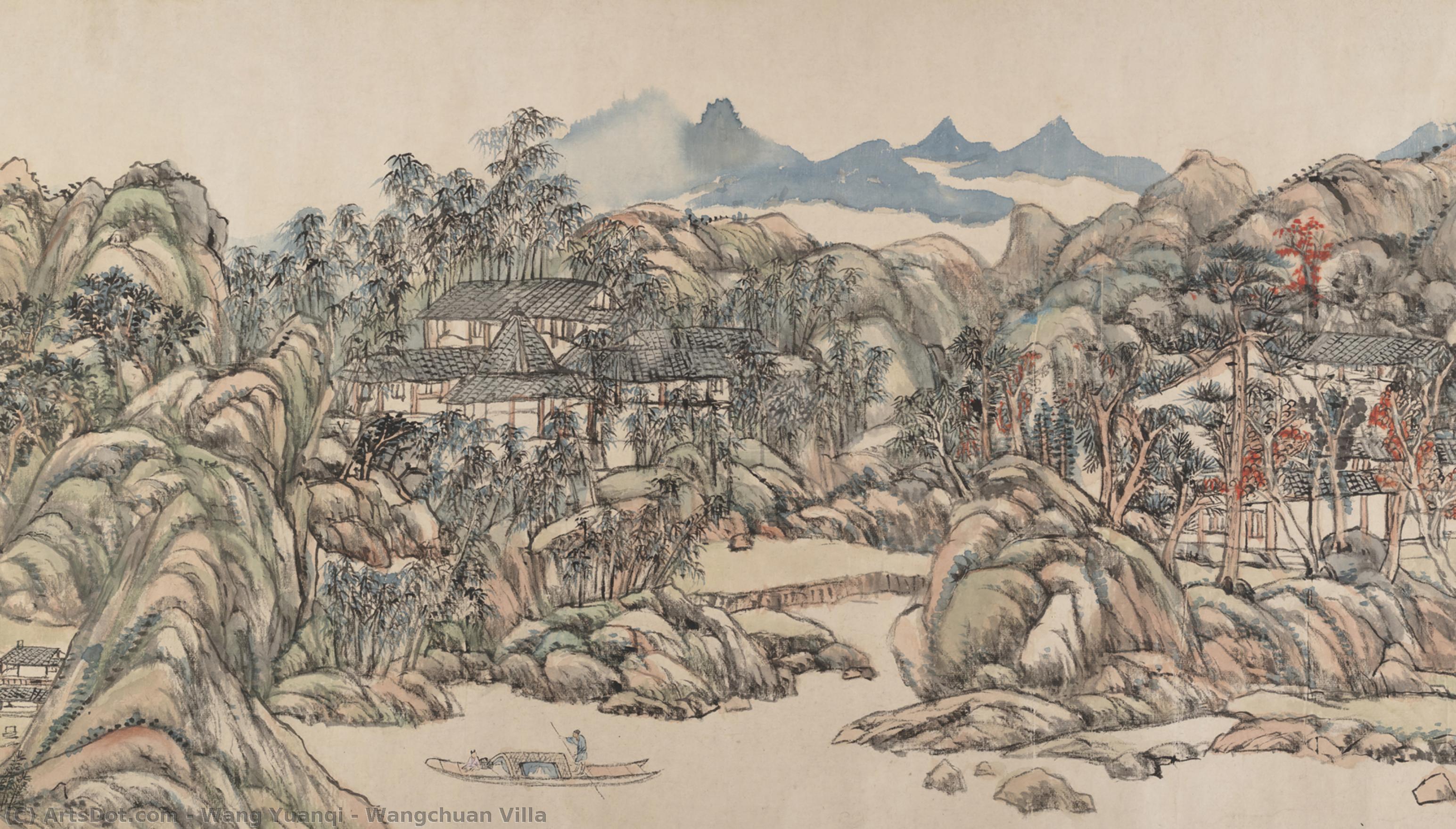
Wangchuan Villa (1711) 由 Wang Yuanqi

Wangchuan Villa

1711 · Ink On Paper · 大都会艺术博物馆, 纽约

The handscroll titled Wangchuan Villa emerges from the brush of Wang Yuanqi, a painter who shaped the landscape traditions of the Qing Dynasty. Born in 1642 in Taicang, Jiangsu province, China, Wang Yuanqi carries the weight of a profound artistic lineage. He moves through the world of ink and color as a leading figure of the Orthodox School. His hand brings life to this specific vision of a mountain community,…

Wang Yuanqi 系列持续更新,第 11 至 22 项

令 Wang Yuanqi 驻足的创作主题

这些原作中反复出现的四个主题,各有一个最杰出的范例。

收藏有 Wang Yuanqi 原作的博物馆

收藏了本页中大部分画作的 8 家博物馆。

博物馆 城市 Wang Yuanqi 的作品 此列表中的画作
大都会艺术博物馆, 纽约大都会艺术博物馆 纽约 7 Wangchuan Villa, 清 王原祁 倣吳鎮山水圖 軸 Landscape after Wu Zhen, Landscape for Zhanting
芝加哥艺术学院, 芝加哥芝加哥艺术学院 芝加哥 3 Landscape, Mountainous Landscape after Wang Meng, Landscape after Huang Gongwang
克利夫兰艺术博物馆, 克利夫兰克利夫兰艺术博物馆 克利夫兰 2 Landscape after Ni Zan, Green Peaks under Clear Sky: After Huang Gongwang
耶鲁大学艺术馆, 纽黑文耶鲁大学艺术馆 纽黑文 2 Landscape in the Style of Huang Gongwang, Landscape
沃尔特斯艺术博物馆, 巴尔的摩沃尔特斯艺术博物馆 巴尔的摩 1 Free Spirits Among Streams and Mountains
底特律艺术学院, 底特律底特律艺术学院 底特律 1 Mountain and River Landscape
故宫博物院, 北京故宫博物院 北京 1 Wang Yuanqi's Thatched Cottage Ten Records
维多利亚州国立美术馆, 墨尔本维多利亚州国立美术馆 墨尔本 1 The Fuchun Mountians

Wang Yuanqi 的年代演变:定义每个时代的原创之作

各年代作品数量

选择一个年代,探索定义该时代的原创杰作。

藏家关于 Wang Yuanqi 作品的常见问题

Wang Yuanqi 最著名的作品是哪一件?揭晓答案

Landscape for Zhanting (1710)。紧随其后的是 Wangchuan Villa (1711) 和 Landscape (1678)。

创作 Landscape for Zhanting 时,Wang Yuanqi 是多少岁?揭晓答案

68岁:Landscape for Zhanting创作于1710年,Wang Yuanqi出生于1642年。

Wang Yuanqi 最著名的十幅画作是什么?揭晓答案

Landscape for Zhanting, Wangchuan Villa, Landscape, Mountainous Landscape after Wang Meng, Free Spirits Among Streams and Mountains, 清 王原祁 倣吳鎮山水圖 軸 Landscape after Wu Zhen, Landscape for Zhanting, Landscape after Ni Zan, Green Peaks under Clear Sky: After Huang Gongwang 及 Landscape after Huang Gongwang。上方排名显示了每件作品的创作年份及馆藏机构。

Wang Yuanqi 留下了多少幅画作?揭晓答案

我们的目录收录了 22 件 Wang Yuanqi 的作品,创作年代从 1678 年至 1712 年。

Wang Yuanqi 的杰作收藏在哪些博物馆中?揭晓答案

多见于 大都会艺术博物馆 (纽约), 芝加哥艺术学院 (芝加哥) 及 克利夫兰艺术博物馆 (克利夫兰)。上方的博物馆列表列出了所有相关机构。

Wang Yuanqi 在哪些年份创作了最著名的作品?揭晓答案

在 1700s 期间:本页 22 件作品中有 5 件创作于该时期,其中包含 Landscape after Ni Zan 件作品。

Wang Yuanqi 的首件与末件名作原件分别是哪几件?揭晓答案

在本页面中,最早的作品创作于 Landscape (1678),最晚的创作于 Landscape in the Style of Huang Gongwang (1712)。

Wang Yuanqi 最常创作的主题是什么?揭晓答案

Mountains (3), Trees (2) 及 People (2),共计 22 件作品。

哪些 Wang Yuanqi 的作品在 大都会艺术博物馆 展出?揭晓答案

Wangchuan Villa, 清 王原祁 倣吳鎮山水圖 軸 Landscape after Wu Zhen 及 Landscape for Zhanting:大都会艺术博物馆, 纽约收藏了本页中 7 件作品。

Wang Yuanqi:生平与作品

Wang Yuanqi: A Master of Qing Dynasty Landscape

Early Life and Education

  • Wang Yuanqi (王原祁) was born in 1642 in Taicang, Jiangsu province, China.
  • He came from a family with a strong artistic tradition; his grandfather, Wang Shimin, was a renowned painter of the early Qing dynasty.
  • Yuanqi received rigorous training in painting from his grandfather, laying the foundation for his future artistic endeavors.
  • His style name was 'Mao-ching' and his sobriquet was 'Lu-t’ai'.

Career as a Court Official

  • Wang Yuanqi rose to prominence as a court official during the Qing dynasty, beginning shortly after its establishment in 1644.
  • He served with distinction and was eventually appointed curator of the imperial collection under the Kangxi Emperor.
  • This position granted him access to a vast array of artworks, further enriching his artistic knowledge and influencing his style.
  • He remained a court official throughout his long career, balancing administrative duties with his passion for painting until his death in 1715 at age 73.

Artistic Style and Influences

  • Wang Yuanqi is considered one of the “Six Masters of the early Qing period,” also known as the ‘Four Wangs, a Wu and a Yun’.
  • He was a leading figure in the 'Orthodox School' (正统派) of Chinese landscape painting.
  • His landscapes drew inspiration from Yuan dynasty artists who moved away from the highly realistic depictions favored during the Northern Song period.
  • A key influence on his work was Huang Gongwang, particularly in the use of dry brush strokes, ink washes, and a sophisticated approach to color.
  • He skillfully integrated color patterns into his compositions, complementing abstract designs with rhythmic color flows.

Major Works and Achievements

  • Notable works include Landscape in the Style of Huang Gongwang (1711), currently held in Singapore’s Asian Civilisations Museum.
  • His rendition of Wang Wei's eighth-century hand scroll, The Wang River Villa, is housed in the Metropolitan Museum of Art, New York City.
  • Other significant paintings include “The Fuchun Mountains”, “Landscape for Zhanting” and numerous landscapes after the Four Great Yuan Masters.
  • He excelled at recreating the styles of earlier masters while imbuing his works with a unique personal touch.

Historical Significance

  • Wang Yuanqi played a crucial role in shaping the development of Chinese landscape painting during the Qing dynasty.
  • His adherence to and refinement of the Orthodox School established a standard for generations of artists.
  • He helped preserve and promote traditional artistic values while also demonstrating innovative techniques in composition and color usage.
  • His work continues to be celebrated for its technical mastery, aesthetic beauty, and historical importance within the context of Chinese art history.