
1

玛丽·菲利普·纳克林
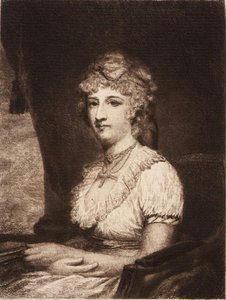
《玛丽·菲利普·尼克林》,由美国艺术家斯蒂芬·詹姆斯·费里斯创作于无名之时,是一幅精美的黑白版画作品,展现了英国贵族女性玛丽·菲利普·尼克林的一张肖像。这幅作品不仅是艺术史上的经典之作,更蕴含着丰富的历史文化意义和情感表达。

更新于 October 2026 · 基于我们的流行度评分排名(每件作品的搜索量、访问量及订单量) · 2 件 史蒂芬·詹姆斯·费里斯 作品收录于我们的目录中
简而言之
在 史蒂芬·詹姆斯·费里斯 留下的所有原作中,最著名的当属收藏于 华盛顿特区 史密森尼美国艺术博物馆 的《玛丽·菲利普·纳克林》。 我们的目录收录了 史蒂芬·詹姆斯·费里斯 的 2 件作品;画廊完整保留了 2 件享誉世界的杰作,并为每一件作品详细标注了创作日期、馆藏机构及其背后的故事。
《玛丽·菲利普·尼克林》,由美国艺术家斯蒂芬·詹姆斯·费里斯创作于无名之时,是一幅精美的黑白版画作品,展现了英国贵族女性玛丽·菲利普·尼克林的一张肖像。这幅作品不仅是艺术史上的经典之作,更蕴含着丰富的历史文化意义和情感表达。

乔伊斯·柯莱曼·德雷顿肖像:维多利亚时期艺术的优雅与细腻 乔伊斯·柯莱曼·德雷顿肖像,由美国艺术家斯蒂芬·詹姆斯·费里斯创作于未知年份,是一幅黑白铜版画,展现了维多利亚时代女性艺术的精致风格。 这幅作品以其独特的构图和对光线与色彩的精准捕捉而闻名,为欣赏者带来了一份难以言喻的美感。 作品尺寸为18厘米×14厘米,现藏于美国国家美术博物馆。 艺术家:斯蒂芬·詹姆斯·费里斯(Stephen James Ferris) 出生年份:1835年 去世年份:1915年 出生城市:普拉茨堡(Plattsburgh) 出生国家:美国 费里斯的艺术生涯与当时艺术史上的重要变革同步进行——印象主义的兴起。 这股潮流悄然但深刻地影响了他创作风格,使他能够以一种全新的视角记录下自然光线和空气中的流动变化。 他在爱德华伯爵学院接受了专业训练,师从罗伯特·斯科特·劳达尔(Robert Scott Lauder),早期作品展现出对人物画的卓越天赋,尤其擅长捕捉儿童的面部表情和神态,赋予作品深沉的情感力量。 这份细腻的笔触与费里斯对风景画的热爱形成了鲜明的对比,也正是这种情感与技巧的融合,成就了他在维多利亚时期艺术中的独特地位。 风格:维多利亚时期艺术风格,注重细节和真实感。 技术:铜版画技法,以其卓越的光线表现力和色彩还原能力而著称于当时艺术界。 历史背景:作品创作于印象主义兴起时期,艺术家受到自然光线和空气流动变化的影响。 肖像中的女性人物身着华丽的服装,头顶装饰着鲜花,象征着维多利亚时代贵族阶层对美的追求。 同时,她举着的鲜花篮也暗示了爱情与和谐的美好愿望。 作品采用黑白铜版画工艺,费里斯大师运用精湛的技艺,将女性形象和周围环境的光影关系表现得淋漓尽致,为观者带来了一份宁静而充满诗意的视觉体验。 这幅作品不仅是一件艺术杰作,更是一份维多利亚时期文化精神的象征。 通过对光线与色彩的巧妙运用,费里斯成功地捕捉到了女性的美丽和优雅,以及她所代表的时代精神,为艺术爱好者们提供了一份难得的审美灵感。 这幅作品在博物馆收藏中具有重要价值,也吸引了众多艺术收藏家和设计师的目光。
收藏了本页中大部分画作的 1 家博物馆。
| 博物馆 | 城市 | 史蒂芬·詹姆斯·费里斯 的作品 | 此列表中的画作 |
|---|---|---|---|
 史密森尼美国艺术博物馆 |
华盛顿特区 | 2 | 玛丽·菲利普·纳克林, 乔伊斯·柯尔曼·德雷顿肖像 |
玛丽·菲利普·纳克林
我们的目录中收录了 2 件 史蒂芬·詹姆斯·费里斯 的作品。
多见于 史密森尼美国艺术博物馆 (华盛顿特区)。上方的博物馆列表列出了所有相关机构。
布面丙烯,共计 2 件(本页共有 2 件作品)。
玛丽·菲利普·纳克林 及 乔伊斯·柯尔曼·德雷顿肖像:史密森尼美国艺术博物馆, 华盛顿特区收藏了本页中 2 件作品。
Stephen James Ferris stands as a distinguished figure in the landscape of American art, particularly within the vibrant artistic community of Philadelphia. An influential painter and etcher, his work is characterized by a profound dedication to portraiture and figure studies. His artistic journey was shaped by rigorous training, having studied at the Pennsylvania Academy and later refining his craft in Paris under the guidance of Jean Leon Gerome. This exposure to European traditions allowed him to bring a sophisticated level of technical mastery back to the United States, where he established a considerable reputation for his ability to capture both the physical likeness and the inner character of his subjects.
The essence of Ferris's work often lies in its delicate execution and its connection to the aesthetic ideals of his era. As an etcher, he possessed a remarkable ability to manipulate light and shadow, utilizing techniques such as multi-plate etching on copper to achieve complex tonal gradations. His etchings, such as the Portrait of Mrs. J. Coleman Drayton, demonstrate a masterful command of texture and atmosphere, echoing the subtle influences of Impressionism while maintaining a sense of Victorian elegance. Through his meticulous use of acid resistance and fine lines, he could render the soft glow of skin or the intricate details of floral arrangements with an almost poetic sensitivity.
The development of Ferris's style was deeply intertwined with the masters who preceded him. In his portraiture, one can observe a profound reverence for the legacy of Gilbert Stuart, particularly in his pursuit of idealized realism. Much like Stuart, Ferris sought to transcend mere superficial likeness, aiming instead to imbue his subjects with a sense of dignity and grace. This approach is evident in works like Mrs. Philip Nicklin, where the artist employs precise etching techniques to capture a subject that feels both present and timeless, embodying the refined aesthetic values prevalent during the reign of Queen Victoria.
Beyond his technical skill, Ferris's life was deeply embedded in the fabric of the American art world. His contributions extended beyond the studio; for many years, he shared his expertise as a teacher at the Philadelphia School of Design for Women. This role as an educator highlights his commitment to the continuity of artistic excellence and his broader interest in the cultivation of design and fine art. His work remains a significant contribution to American art history, preserved in esteemed institutions such as the Smithsonian American Art Museum and the National Gallery of Art, serving as a testament to his enduring impact on the portraiture tradition.