


1


更新于 November 2026 · 基于我们的流行度评分排名(每件作品的搜索量、访问量及订单量) · 35 件 Jacob Huysmans 作品收录于我们的目录中
简而言之
在 Jacob Huysmans 留下的所有原作中,最著名的当属收藏于 温伯恩敏斯特 Kingston Lacy 的《Cupid preparing his Bow (after Van Dyck) (1673)》。 紧随其后的是 Catherine of Braganza (1638-1705) (1667) 和 Catherine of Braganza (1638-1705) (1663)。 我们的目录收录了 Jacob Huysmans 的 35 件作品;画廊完整保留了 34 件享誉世界的杰作,并为每一件作品详细标注了创作日期、馆藏机构及其背后的故事。


 Portrait of a Lady, as Diana1674
12
 Colonel Edward Phelips II (1613–1680)1663 · Montacute House
13
 Elizabeth Cooper (1604–1669)1670
14
 Izaak Walton1672 · 国家肖像美术馆
15
 Dr Peter Barwick (1619–1705), His Wife, Anne and Daughter, Mary (1661 1662–1721 1723), Later Lady Dutton1670
16
 Sir John Chichley (c.1640–1691)1664 · 国家海事博物馆
17
 Sir Samuel Barnardiston (1620–1707)1679
18
 Lady Elizabeth Pope (1660–1719), Lady Lee, Later Countess of Lindsey, as Diana1696 · National Trust
19
 Catherine of Braganza (1638–1705), Queen Consort of King Charles IIGovernment Art Collection
20
 Frances Stewart, later Duchess of Richmond (1647-1702)皇家收藏馆
21
 Lady Jane Boyle (d.1780)Oxburgh Hall
22
 Portrait of a Countess wearing robes for the Coronation of James II
23
 Anne Morice (d.1713 1714), Lady PoleNational Trust
24
 Sir Richard Mason (1619–1685), MPNational Trust
25
 Portrait of John Wilmot, 2nd Earl of Rochester
26
 Portrait of an Unknown BoyDunster Castle
27
 Anne Margaret Long (c.1637–1711), Lady MasonNational Trust
28
 Portrait of an Unknown Lady in RedPolesden Lacey
29
 Elizabeth Cornwallis (d.1708), Mrs Edward Allen, as Diana the HuntressCanons Ashby House
30
 Elizabeth Cromwell, Mrs John ClaypoleChequers Court
31
 Portrait of John Wilmot, 2nd Earl of Rochester (1647 1680)
32
 Richard Lower (1631–1691), Anatomist
33
 Mary Langham (1653 1654–1690 1691), Countess of WarringtonNational Trust
34Sir William Morice (1602–1676), PC, MPNational Trust
这些原作中反复出现的四个主题,各有一个最杰出的范例。
收藏了本页中大部分画作的 8 家博物馆。
| 博物馆 | 城市 | Jacob Huysmans 的作品 | 此列表中的画作 |
|---|---|---|---|
 皇家收藏馆 |
伦敦 | 3 | Catherine of Braganza (1638-1705), Catherine of Braganza (1638-1705), Frances Stewart, later Duchess of Richmond (1647-1702) |
 国家肖像美术馆 |
伦敦 | 2 | John Maitland, Duke of Lauderdale, Izaak Walton |
 National Trust |
安东尼 | 2 | Anne Morice (d.1713 1714), Lady Pole, Sir William Morice (1602–1676), PC, MP |
 National Trust |
Grantham | 2 | Sir Richard Mason (1619–1685), MP, Anne Margaret Long (c.1637–1711), Lady Mason |
 Kingston Lacy |
温伯恩敏斯特 | 1 | Cupid preparing his Bow (after Van Dyck) |
 肯伍德庄园 |
伦敦 | 1 | Portrait of Catharine of Braganza (1638-1705), Queen of England |
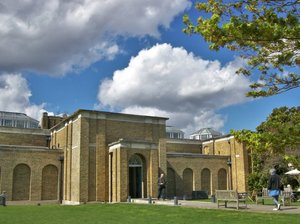 达尔威奇画廊 |
伦敦 | 1 | Portrait of a Lady |
 Lyme Park |
1 | Possibly Elizabeth Chicheley, Mrs Legh |
选择一个年代,探索定义该时代的原创杰作。

Cupid preparing his Bow (after Van Dyck) (1673),Kingston Lacy, 温伯恩敏斯特。紧随其后的是 Catherine of Braganza (1638-1705) (1667) 和 Catherine of Braganza (1638-1705) (1663)。
40岁:Cupid preparing his Bow (after Van Dyck)创作于1673年,Jacob Huysmans出生于1633年。
Cupid preparing his Bow (after Van Dyck), Catherine of Braganza (1638-1705), Catherine of Braganza (1638-1705), Portrait of Catharine of Braganza (1638-1705), Queen of England, John Maitland, Duke of Lauderdale, King Charles II (1630-1685), Queen Catherine (of Braganza) (1638-1705) (after Sir Peter Lely), Portrait of a Lady, Dr Peter Barwick (1619–1705) 及 Possibly Elizabeth Chicheley, Mrs Legh。上方排名显示了每件作品的创作年份及馆藏机构。
我们的目录收录了 35 件 Jacob Huysmans 的作品,创作年代从 1660 年至 1696 年。
多见于 皇家收藏馆 (伦敦), 国家肖像美术馆 (伦敦) 及 National Trust (安东尼)。上方的博物馆列表列出了所有相关机构。
在 1660s 期间:本页 34 件作品中有 9 件创作于该时期,其中包含 Catherine of Braganza (1638-1705) 件作品。
在本页面中,最早的作品创作于 Portrait of a Lady (1660),最晚的创作于 Lady Elizabeth Pope (1660–1719), Lady Lee, Later Countess of Lindsey, as Diana (1696)。
Opulence (3), Portraiture (2) 及 Formal (2),共计 34 件作品。
根据本页面的原作,Baroque
Catherine of Braganza (1638-1705), Catherine of Braganza (1638-1705) 及 Frances Stewart, later Duchess of Richmond (1647-1702):皇家收藏馆, 伦敦收藏了本页中 3 件作品。
In the vibrant, turbulent landscape of seventeenth-century Flanders, few names evoke the dramatic flair of the Baroque era quite like Jacob Huysmans. Born in Antwerp around 1633, Huysmans was a man destined for the canvas, emerging from a lineage where artistic talent was woven into the very fabric of family life. With an uncle and brother who were accomplished landscape painters, his upbringing was steeped in the visual language of light and form. Under the rigorous tutelage of celebrated history painters such as Gillis Backereel and Frans Wouters, he mastered the ability to breathe life into subjects, learning to balance meticulous anatomical observation with the grand, expressive gestures that would later define his signature style.
The trajectory of Huysmans’ life took a transformative turn when he migrated toward England, arriving in London around 1662, just as the nation was emerging from the shadows of political and religious upheaval. To establish himself within the competitive English art market, he initially practiced the art of the "pastiche," creating skillful, smaller-scale interpretations of the legendary Anthony van Dyck. This strategic homage allowed him to harmonize his Flemish training with the established tastes of the English aristocracy, eventually paving the way for a career that would see him stand as a formidable rival to the court painter Peter Lely. While Lely was celebrated for a more restrained and sober approach, Huysmans offered a lush, exuberant alternative that captured the imagination of the era's most powerful figures.
The true zenith of Huysmans’ career was reached through his profound connection to Queen Catherine of Braganza. As a fellow Roman Catholic, the Portuguese-born Queen found in Huysmans an artist who could translate her royal dignity into something both divine and earthly. His relationship with the court was not merely professional but deeply embedded in the cultural and religious currents of the Restoration period. The famous diarist Samuel Pepys famously noted the brilliance of Huysmans’ workshop, describing his skill as something that could rival or even exceed the great Lely. Through his portraits of the Queen—depicting her both in regal splendor and in more allegorical, tender roles like a shepherdess—Huysmans helped craft the visual identity of a monarch who captivated an entire nation.
Beyond the royal family, Huysmans’ brush touched the lives of the highest echelons of English nobility. His ability to render the tactile richness of silk, the heavy weight of velvet, and the shimmering glow of pearls made him the preferred chronicler of aristocratic status. Notable works from his repertoire include:
The historical significance of Jacob Huysmans lies in his role as a bridge between the classical traditions of the Flemish masters and the evolving tastes of the English Baroque. He did not merely copy the past; he infused it with a new, energetic vitality. Even when faced with the displacement caused by the Great Fire of London, which saw him residing temporarily in Chichester, his artistic output remained a testament to resilience and stylistic evolution. His work remains a vital window into a period where art was used as a tool for both political legitimacy and religious expression.
Today, when we gaze upon a Huysmans portrait, we are not just looking at a likeness of a person, but at a carefully constructed drama of light, shadow, and status. His ability to blend the grandeur of history painting with the intimacy of portraiture ensures his place in the pantheon of great European masters. He remains an artist whose legacy is defined by the exuberant spirit of an era that sought beauty amidst the complexities of a changing world.
