格里特·里特维尔德 肖像

3 幅最著名的 格里特·里特维尔德 作品,画廊精选

更新于 October 2026 · 基于我们的流行度评分排名(每件作品的搜索量、访问量及订单量) · 3 件 格里特·里特维尔德 作品收录于我们的目录中

简而言之

在 格里特·里特维尔德 留下的所有原作中,最著名的当属收藏于 乌特勒支 Centraal Museum 的《O Haupt voll Blut und Wunden (1911)》。 紧随其后的是 Portrait of Anthonie Begeer (1856-1910) (1910) 和 Red/Blue Chair (Rood Blauwe Stoel)。 我们的目录收录了 格里特·里特维尔德 的 3 件作品;画廊完整保留了 3 件享誉世界的杰作,并为每一件作品详细标注了创作日期、馆藏机构及其背后的故事。

1888 – 1964, 乌特勒支 藏品最多:Centraal Museum

格里特·里特维尔德 的十大名画:画廊精选

3
Red/Blue Chair (Rood Blauwe Stoel) 由 格里特·里特维尔德

Red/Blue Chair (Rood Blauwe Stoel)

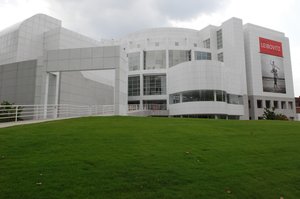
· High Museum of Art, 亚特兰大

The Red/Blue Chair is perhaps the most influential and recognizable furniture design of the twentieth century because it redefined traditional notions of form and space within the confines of a practical household object. This design blurred the boundaries between painting, sculpture, and architecture. By reducing form to a series of planes and boundaries delineating space but not containing it, Rietveld erased the isolation of the object in space and gave…

收藏有 格里特·里特维尔德 原作的博物馆

收藏了本页中大部分画作的 2 家博物馆。

博物馆 城市 格里特·里特维尔德 的作品 此列表中的画作
Centraal Museum, 乌特勒支Centraal Museum 乌特勒支 2 O Haupt voll Blut und Wunden, Portrait of Anthonie Begeer (1856-1910)
High Museum of Art, 亚特兰大High Museum of Art 亚特兰大 1 Red/Blue Chair (Rood Blauwe Stoel)

格里特·里特维尔德 的年度历程:定义其艺术风格的原创之作

从 1910 年到 1911 年,跨越仅 2 年时光,精选呈现 格里特·里特维尔德 的历年佳作:每一年的艺术巅峰之作尽收于此。

年度作品数量

选择年份以查看原作。

藏家关于 格里特·里特维尔德 作品的常见问题

格里特·里特维尔德 最著名的作品是哪一件?揭晓答案

O Haupt voll Blut und Wunden (1911),Centraal Museum, 乌特勒支。紧随其后的是 Portrait of Anthonie Begeer (1856-1910) (1910) 和 Red/Blue Chair (Rood Blauwe Stoel)。

创作 O Haupt voll Blut und Wunden 时,格里特·里特维尔德 是多少岁?揭晓答案

23岁:O Haupt voll Blut und Wunden创作于1911年,格里特·里特维尔德出生于1888年。

格里特·里特维尔德 留下了多少幅画作?揭晓答案

我们的目录收录了 3 件 格里特·里特维尔德 的作品,创作年代从 1910 年至 1911 年。

格里特·里特维尔德 的杰作收藏在哪些博物馆中?揭晓答案

多见于 Centraal Museum (乌特勒支) 及 High Museum of Art (亚特兰大)。上方的博物馆列表列出了所有相关机构。

格里特·里特维尔德 的首件与末件名作原件分别是哪几件?揭晓答案

在本页面中,最早的作品创作于 Portrait of Anthonie Begeer (1856-1910) (1910),最晚的创作于 O Haupt voll Blut und Wunden (1911)。

哪些 格里特·里特维尔德 的作品在 Centraal Museum 展出?揭晓答案

O Haupt voll Blut und Wunden 及 Portrait of Anthonie Begeer (1856-1910):Centraal Museum, 乌特勒支收藏了本页中 2 件作品。

格里特·里特维尔德:生平与作品

The Artisan's Lineage and the Birth of Modernity

In the heart of Utrecht, where the scent of fresh sawdust and the rhythmic strike of a mallet once defined the daily rhythm, Gerrit Thomas Rietveld began his journey. Born in 1888 to a master joiner, his early years were steeped in the tactile language of wood and the disciplined precision of craftsmanship. This foundational intimacy with material was not merely a childhood memory but the very bedrock upon which he would later build a revolution. Before he ever sought to deconstruct form into abstract planes, Rietveld mastered the physical reality of the joint and the grain, honing his technical skills through night school and professional draughtsmanship. This marriage of manual dexterity and academic rigor allowed him to translate the most complex, abstract concepts into tangible, structural realities.

The Geometry of Spirit: De Stijl and the Red/Blue Chair

As the twentieth century unfolded, a radical new vision began to coalesce, one that sought to strip away the ornamental excesses of the past in favor of a pure, elemental truth. Rietveld emerged as a vital protagonist in the De Stijl movement, a group of visionaries who believed that art could be reduced to its most fundamental components: horizontal and vertical lines, and the primary triad of red, blue, and yellow. His 1917 creation, the Red/Blue Chair, stands as a profound manifesto in three dimensions. It is not merely furniture; it is a sculptural intersection of planes that defies the traditional weight of an object. By utilizing cantilevered elements and bold, primary colors, Rietveld transformed a functional household item into a dynamic exploration of space, where the boundaries between painting, sculpture, and architecture began to dissolve.

Architectural Fluidity and a Lasting Legacy

Rietveld’s ambitions eventually transcended the confines of the workshop, spilling into the very structures that house human life. His architectural masterpiece, the Rietveld Schröder House, remains one of the most radical expressions of modern living ever conceived. In this Utrecht landmark, he abandoned the static, enclosed room in favor of a fluid, metamorphic environment. Through the ingenious use of sliding walls and open planes, he created a space that could breathe and change, mirroring the dynamism of the modern age. This vision of functionalism—where beauty is found in clarity, structure, and the honest expression of form—has left an indelible mark on the history of design. From his interactions with the Bauhaus to his enduring influence on geometric abstraction, Rietveld’s legacy continues to resonate, reminding us that true innovation lies in the courage to see the world through its most essential, unadorned lines.