1


更新于 October 2026 · 基于我们的流行度评分排名(每件作品的搜索量、访问量及订单量) · 21 件 Georg David Matthieu 作品收录于我们的目录中
简而言之
Portrait of Charlotte of Mecklenburg-Strelitz (1762) 是 Georg David Matthieu 最受瞩目的画作;原作收藏于 Strängnäs 的 National Portrait Gallery of Sweden。 随后,目光会移向 Joachim Ulrich Giese (1762) 和 Portrait of a man in armour。 在 Georg David Matthieu 的 21 件作品中,这 19 件最为闻名;每一件都是独一无二的原作,并附有创作年份、馆藏机构及其经久不衰的原因。

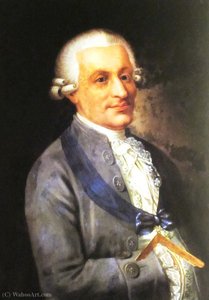
To gaze upon this portrait of Joachim Ulrich Giese is to step directly into the gilded salons of 18th-century Berlin. Painted in 1762 by Georg David Matthieu, the work transcends a mere likeness; it is a carefully constructed tableau of intellectual refinement and aristocratic grace. The very air surrounding the subject seems imbued with the delicate exuberance characteristic of the Rococo period. Everything about the composition whispers of an era…


Georg David Matthieu’s “The Wife of Joachim Ulrich Giese,” painted in 1762, is more than just a portrait; it's a meticulously crafted tableau of Rococo elegance and subtle psychological depth. Created during the height of Matthieu’s career – a period marked by his association with influential figures like Jakob Philipp Hackert and his service as court painter for the Duke of Mecklenburg – this work offers a captivating glimpse into…


 Louise Frederica of Württemberg
12
 Portrait of a richly dressed courtly lady
13
 Portrait of the later Frederick Francis I, Grand Duke of Mecklenburg-Schwerin and his sister Sophia Frederica
14
 Duchess Sophia Frederica of Mecklenburg-Schwerin as Child
15
 Crown Prince Ludwig of Mecklenburg-Schwerin
16
 Frederick II of Prussia as a young commander
17
 Princess sophie friederike
18
 Portrait of Anna Regina from Olthoff as Bacchantin
19
 Portrait of Charlotte Magdalene of Olthoff
这些原作中反复出现的四个主题,各有一个最杰出的范例。
收藏了本页中大部分画作的 3 家博物馆。
| 博物馆 | 城市 | Georg David Matthieu 的作品 | 此列表中的画作 |
|---|---|---|---|
 柏林州立博物馆 |
柏林 | 2 | Joachim Ulrich Giese, The Wife of Joachim Ulrich Giese |
 National Portrait Gallery of Sweden |
Strängnäs | 1 | Portrait of Charlotte of Mecklenburg-Strelitz |
 华沙国家博物馆 |
华沙 | 1 | Portrait of a man in armour |
此处展示的所有 Georg David Matthieu 原作均出自 1762 年;作品按知名度由高到低排列。
选择年份以查看原作。
Portrait of Charlotte of Mecklenburg-Strelitz (1762),National Portrait Gallery of Sweden, Strängnäs。紧随其后的是 Joachim Ulrich Giese (1762) 和 Portrait of a man in armour。
25岁:Portrait of Charlotte of Mecklenburg-Strelitz创作于1762年,Georg David Matthieu出生于1737年。
Portrait of Charlotte of Mecklenburg-Strelitz, Joachim Ulrich Giese, Portrait of a man in armour, Portrait of Amelie of Mecklenburg-Schwerin, The Wife of Joachim Ulrich Giese, Friedrich der Fromme, Portrait of Grand-duke Friedrich Franz I of Mecklenburg-Schwerin and his tutor, Portrait of duchess Ulrike Sophie of Mecklenburg, Louise Friderike of Württemberg 及 Portrait johann carl dähnert。上方排名显示了每件作品的创作年份及馆藏机构。
我们的目录中收录了 21 件 Georg David Matthieu 的作品。
多见于 柏林州立博物馆 (柏林), National Portrait Gallery of Sweden (Strängnäs) 及 华沙国家博物馆 (华沙)。上方的博物馆列表列出了所有相关机构。
在 1762 期间:本页 19 件作品中有 3 件创作于该时期,其中包含 Portrait of Charlotte of Mecklenburg-Strelitz 件作品。
Portraits (6), Royalty (4) 及 Portraiture (2),共计 19 件作品。
Oil On Canvas,共计 2 件(本页共有 19 件作品)。
根据本页面的原作,Rococo
Joachim Ulrich Giese 及 The Wife of Joachim Ulrich Giese:柏林州立博物馆, 柏林收藏了本页中 2 件作品。
Berlin, 1737. The air in the studio of David Matthieu carries the scent of oil and pigment, a workspace where Georg David Matthieu begins his life within a family of established artists. He does not merely observe the craft; he breathes it through a lineage that connects him to the Prussian court. His father, David, holds the position of court painter in Prussia, providing a foundation of technical rigor. This connection extends through his stepmother, Anna Rosina, linking Georg to the influential Georg Lisiewski and the talented Anna Dorothea Therbusch.
The training is intimate and rigorous. He learns the precision required for engraving and the delicate touch needed for portraiture under his father's direct gaze. This early immersion in the mechanics of light and shadow prepares him for a life defined by the demands of the aristocracy. His path is not one of solitary wandering but of professional continuity, moving through the established circles of German and Swedish nobility.
A shift occurs in 1764. Following his work on a portrait of Queen Sophie Charlotte, Georg David Matthieu secures a position that alters his social and professional standing: court painter to the Duke of Mecklenburg-Schwerin. He moves into an apartment within the newly built Ludwigslust Palace. The transition from a student of the Prussian tradition to a resident of the ducal court brings a new set of responsibilities and a specific aesthetic demand.
Life at the court follows a strict hierarchy. As a painter ranked 20th out of 24, his existence is governed by the system established by Duke Friedrich William. His compensation is fixed—250 Reichstalers annually, supplemented by free food and housing for his family. He spends his days documenting the ducal family and their relatives, capturing the physical presence of the Mecklenburg-Schwerin line. The work is constant. He is on call, tasked with projecting the dignity of the house through the Rococo style.
The portraits produced during this period focus on the material reality of the 18th-century elite. In works such as the portrait of Joachim Ulrich Giese, the emphasis lies on texture and social signifiers. A red velvet coat is rendered with a weight that contrasts against white lace cuffs. The light does not merely illuminate; it sculpts figures from the surrounding darkness, providing a sense of three-dimensionality to the subjects.
Matthieu utilizes specific elements to communicate status:
His friendship with Jakob Philipp Hackert likely brings broader European influences into his practice, particularly through shared study trips to Italy. This exposure refines his ability to handle color schemes and the delicate exuberance of the Rococo period. Even in smaller works, such as his drawings in black and red chalk or blue pastel, the precision of his hand remains evident. He dies in 1778, leaving behind a body of work that remains housed in the collections of the Staatliches Museum Schwerin, the Gemäldegalerie Berlin, and The Metropolitan Museum of Art.