八大山人 肖像

41 幅最著名的 八大山人 作品,画廊精选

更新于 October 2026 · 基于我们的流行度评分排名(每件作品的搜索量、访问量及订单量) · 42 件 八大山人 作品收录于我们的目录中

简而言之

在 八大山人 留下的所有原作中,最著名的当属收藏于 墨尔本 维多利亚州国立美术馆 的《Landscape in the style of Wu Zhen, (1280-1354) (1696)》。 紧随其后的是 Duck on a Branch (1691) 和 Landscape (1698)。 我们的目录收录了 八大山人 的 42 件作品;画廊完整保留了 41 件享誉世界的杰作,并为每一件作品详细标注了创作日期、馆藏机构及其背后的故事。

1626 – 1705, 新建区 藏品最多:大都会艺术博物馆

八大山人 的十大名画:画廊精选

1
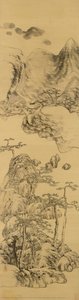
Landscape in the style of Wu Zhen, (1280-1354) (1696) 由 八大山人

Landscape in the style of Wu Zhen, (1280-1354)

1696 · Ink · 维多利亚州国立美术馆, 墨尔本

In this landscape, we encounter a world where the physical and the spiritual are indistinguishable. Painted around 1696, this work reflects a profound engagement with the traditions of the Yuan dynasty, specifically the approach of Wu Zhen. The composition does not seek to document a specific place, but rather to map the interior terrain of the artist. There is a deliberate absence of human presence, leaving the viewer alone with…

3
Landscape (1698) 由 八大山人

Landscape

1698

Bada Shanren rarely painted landscapes until he was nearly seventy years old, but as this album attests, he became a great master in this genre during the last decade of his life. These remarkably varied compositions reveal extraordinary sensitivity to the graphic function of negative space. Rocks are often modeled in faceted planes, while the expressive rendering of intersecting trees reveal the artist’s calligraphic sophistication. Bada’s primary inspiration for his…

八大山人 系列持续更新,第 11 至 41 项

11Flowers and Insects (1683) 由 八大山人Flowers and Insects1683 12Spray of Tuberose (Spray of Fuchia) (1681) 由 八大山人Spray of Tuberose (Spray of Fuchia)1681 13Two Twigs of Camellia (Two Twigs of Flowering Fruit) (1681) 由 八大山人Two Twigs of Camellia (Two Twigs of Flowering Fruit)1681 14Two Grasshoppers on Lotus Leaves (1681) 由 八大山人Two Grasshoppers on Lotus Leaves1681 15Two Grape Leaves (1681) 由 八大山人Two Grape Leaves1681 16Lotus and Ducks (1696) 由 八大山人Lotus and Ducks1696 · 弗里尔美术馆 17Two Chicks (1694) 由 八大山人Two Chicks1694 · 明尼阿波利斯艺术学院 18清 八大山人 (朱耷) 蓮塘戲禽圖 卷 Birds in a lotus pond (1690) 由 八大山人清 八大山人 (朱耷) 蓮塘戲禽圖 卷 Birds in a lotus pond1690 · 大都会艺术博物馆 19清 朱耷 (八大山人) 倣王羲之 蘭亭序 軸 After Wang Xizhi's (303 361 ) Preface to the Orchid Pavilion Gathering (1694) 由 八大山人清 朱耷 (八大山人) 倣王羲之 蘭亭序 軸 After Wang Xizhi's (303 361 ) Preface to the Orchid Pavilion Gathering1694 · 大都会艺术博物馆 20清 朱耷 (八大山人) 山水圖 冊 Landscape album (1699) 由 八大山人清 朱耷 (八大山人) 山水圖 冊 Landscape album1699 · 大都会艺术博物馆 21Landscape in the style of Ni Zan, (1301 1374) (1696) 由 八大山人Landscape in the style of Ni Zan, (1301 1374)1696 · The Ian Potter Centre - Ngv Australia 22Untitled (D2X7RZ) (1699) 由 八大山人Untitled (D2X7RZ)1699 · 大都会艺术博物馆 23Landscape in the style of Wu Zhen, (1280 1354) (1696) 由 八大山人Landscape in the style of Wu Zhen, (1280 1354)1696 · The Ian Potter Centre - Ngv Australia 24Landscape in the style of Wang Meng, (c. 1309 1385) (1696) 由 八大山人Landscape in the style of Wang Meng, (c. 1309 1385)1696 · The Ian Potter Centre - Ngv Australia 25Cedar Tree, Day Lily, and Wagtails (1700) 由 八大山人Cedar Tree, Day Lily, and Wagtails1700 · 弗里尔美术馆 26Mynah Bird on an Old Tree (1703) 由 八大山人Mynah Bird on an Old Tree1703 · 故宫博物院 27清 朱耷 (八大山人) 二鷹圖 軸 Two eagles (1702) 由 八大山人清 朱耷 (八大山人) 二鷹圖 軸 Two eagles1702 · 大都会艺术博物馆 28Fish (601) 由 八大山人Fish601 29Podróżni na osiołkach 由 八大山人Podróżni na osiołkach华沙国家博物馆 30Landscape in the style of Huang Gongwang, (1269-1354) (1664) 由 八大山人Landscape in the style of Huang Gongwang, (1269-1354)1664 · 维多利亚州国立美术馆 31Landscape in the style of Ni Zan, (1301-1374) (1696) 由 八大山人Landscape in the style of Ni Zan, (1301-1374)1696 · 维多利亚州国立美术馆 32Landscape in the style of Wang Meng, (c. 1309-1385) (1696) 由 八大山人Landscape in the style of Wang Meng, (c. 1309-1385)1696 · 维多利亚州国立美术馆 33twelve egrets in marsh grasses 由 八大山人twelve egrets in marsh grasses印第安纳波利斯艺术博物馆 34SEASCAPE WITH TREE AND BOAT 由 八大山人SEASCAPE WITH TREE AND BOAT哈佛艺术博物馆 35SUMI ALBUM LEAF OF THREE LOTUS FLOWERS 由 八大山人SUMI ALBUM LEAF OF THREE LOTUS FLOWERS哈佛艺术博物馆 36Birds, in Qing style 由 八大山人Birds, in Qing style 37Bird on Rock, in Qing style 由 八大山人Bird on Rock, in Qing style 38BIRD AND CHRYSANTHEMUM 由 八大山人BIRD AND CHRYSANTHEMUM 39Album 由 八大山人Album大都会艺术博物馆 40PINE TREE AND ROCK 由 八大山人PINE TREE AND ROCK 41Lotus and Birds 由 八大山人Lotus and Birds中国现代与当代艺术文献研究中心

令 八大山人 驻足的创作主题

这些原作中反复出现的四个主题,各有一个最杰出的范例。

收藏有 八大山人 原作的博物馆

收藏了本页中大部分画作的 8 家博物馆。

博物馆 城市 八大山人 的作品 此列表中的画作
大都会艺术博物馆, 纽约大都会艺术博物馆 纽约 6 清 八大山人 (朱耷) 蓮塘戲禽圖 卷 Birds in a lotus pond, 清 朱耷 (八大山人) 倣王羲之 蘭亭序 軸 After Wang Xizhi's (303 361 ) Preface to the Orchid Pavilion Gathering, 清 朱耷 (八大山人) 山水圖 冊 Landscape album
维多利亚州国立美术馆, 墨尔本维多利亚州国立美术馆 墨尔本 4 Landscape in the style of Wu Zhen, (1280-1354), Landscape in the style of Huang Gongwang, (1269-1354), Landscape in the style of Ni Zan, (1301-1374)
The Ian Potter Centre - Ngv Australia, 墨尔本The Ian Potter Centre - Ngv Australia 墨尔本 4 Landscape in the style of Huang Gongwang, (1269 1354), Landscape in the style of Ni Zan, (1301 1374), Landscape in the style of Wu Zhen, (1280 1354)
克利夫兰艺术博物馆, 克利夫兰克利夫兰艺术博物馆 克利夫兰 2 Fish and Rocks, Landscape after Guo Zhongshu
弗里尔美术馆, 华盛顿弗里尔美术馆 华盛顿 2 Lotus and Ducks, Cedar Tree, Day Lily, and Wagtails
哈佛艺术博物馆, 剑桥哈佛艺术博物馆 剑桥 2 SEASCAPE WITH TREE AND BOAT, SUMI ALBUM LEAF OF THREE LOTUS FLOWERS
明尼阿波利斯艺术学院, 明尼阿波利斯明尼阿波利斯艺术学院 明尼阿波利斯 1 Two Chicks
故宫博物院, 北京故宫博物院 北京 1 Mynah Bird on an Old Tree

八大山人 的年代演变:定义每个时代的原创之作

各年代作品数量

选择一个年代,探索定义该时代的原创杰作。

藏家关于 八大山人 作品的常见问题

八大山人 最著名的作品是哪一件?揭晓答案

Landscape in the style of Wu Zhen, (1280-1354) (1696),维多利亚州国立美术馆, 墨尔本。紧随其后的是 Duck on a Branch (1691) 和 Landscape (1698)。

创作 Landscape in the style of Wu Zhen, (1280-1354) 时,八大山人 是多少岁?揭晓答案

70岁:Landscape in the style of Wu Zhen, (1280-1354)创作于1696年,八大山人出生于1626年。

八大山人 最著名的十幅画作是什么?揭晓答案

Landscape in the style of Wu Zhen, (1280-1354), Duck on a Branch, Landscape, Fish and Rocks, Landscape in the style of Huang Gongwang, (1269 1354), Landscape after Guo Zhongshu, Spray of Hibiscus (Spray of Flowering Shrub), Plant (Bird of Paradise), Branch of Hydrangea 及 Spray of Water Weed and Two Insects。上方排名显示了每件作品的创作年份及馆藏机构。

八大山人 留下了多少幅画作?揭晓答案

我们的目录收录了 42 件 八大山人 的作品,创作年代从 1664 年至 1703 年。

八大山人 的杰作收藏在哪些博物馆中?揭晓答案

多见于 大都会艺术博物馆 (纽约), 维多利亚州国立美术馆 (墨尔本) 及 The Ian Potter Centre - Ngv Australia (墨尔本)。上方的博物馆列表列出了所有相关机构。

八大山人 在哪些年份创作了最著名的作品?揭晓答案

在 1690s 期间:本页 41 件作品中有 14 件创作于该时期,其中包含 Landscape in the style of Wu Zhen, (1280-1354) 件作品。

八大山人 的首件与末件名作原件分别是哪几件?揭晓答案

在本页面中,最早的作品创作于 Landscape in the style of Huang Gongwang, (1269 1354) (1664),最晚的创作于 Mynah Bird on an Old Tree (1703)。

八大山人 最常创作的主题是什么?揭晓答案

Mountains (2), Rocks (2) 及 Landscape (2),共计 41 件作品。

哪些 八大山人 的作品在 大都会艺术博物馆 展出?揭晓答案

清 八大山人 (朱耷) 蓮塘戲禽圖 卷 Birds in a lotus pond, 清 朱耷 (八大山人) 倣王羲之 蘭亭序 軸 After Wang Xizhi's (303 361 ) Preface to the Orchid Pavilion Gathering 及 清 朱耷 (八大山人) 山水圖 冊 Landscape album:大都会艺术博物馆, 纽约收藏了本页中 6 件作品。

八大山人:生平与作品

The Enigmatic Eight Mountain Man: A Legacy of Resilience

Zhu Da, known to history by the evocative pen name Bada Shanren, remains one of the most profound and enigmatic figures in the annals of Chinese art. Born around 1626 during the twilight of the Ming Dynasty, his life was inextricably woven into the violent tapestry of dynastic transition. As a member of the imperial House of Zhu, he lived under the shadow of political upheaval; the fall of the Ming to the Qing forces meant that his very lineage was marked for destruction. This period of profound instability did more than just shape his biography; it forged the very soul of his artistry. To escape the purges that claimed his kin, Zhu Da sought refuge within the quietude of Buddhist monasteries, spending thirty years as a monk. It was in this contemplative isolation, amidst the teachings of Zen Buddhism, that he developed the spiritual depth and the minimalist aesthetic that would later revolutionize Chinese ink wash painting.

A Vision of Minimalist Mastery

The artistry of Bada Shanren is characterized by an unprecedented economy of means, a style that many contemporary scholars view as a precursor to modern minimalism. Unlike the meticulous and often crowded compositions of his predecessors, Barga’s work breathes through vast, intentional voids. He mastered the art of leaving space empty, using the white of the paper not merely as a background, but as an active participant in the composition—representing mist, water, or the infinite silence of the mind. His brushwork was both decisive and deceptively simple, capable of conveying intense emotion through a single, sweeping stroke. Whether depicting a solitary rock or a cluster of reeds, his focus remained steadfastly on capturing the essence rather than the literal form, prioritizing the transmission of mood and atmosphere over decorative detail.

Symbolism and the Silent Protest

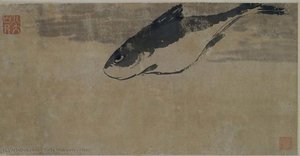
Beyond the technical brilliance of his landscapes and calligraphy, Bada Shanren’s work is celebrated for its poignant, often biting, use of metaphor. His most famous subjects—enigmatic birds and fish—are far from mere studies of nature. Many art historians interpret his "mocking birds," with their wide-eyed, almost disdainful stares, as subtle political allegories. These creatures, appearing solitary and defiant amidst a desolate landscape, are believed to reflect the artist's own feelings of displacement and his silent protest against the new Qing regime. This layer of hidden meaning transforms his paintings from simple naturalistic observations into profound psychological portraits of a scholar-artist navigating a world in flux. His later landscapes, which drew inspiration from the great Yuan dynasty masters like Ni Zan, further expanded his repertoire, blending classical reverence with his unique, idiosyncratic spirit.

Historical Significance and Enduring Influence

The historical significance of Bada Shanren lies in his ability to bridge the gap between the classical traditions of the past and a new, more expressive way of seeing. By integrating the spiritual discipline of Zen with the political trauma of his era, he created a visual language that was both deeply personal and universally resonant. His influence can be traced through centuries of Chinese ink painting, where his approach to space, subject, and symbolism continues to inspire artists seeking to express the profound through the minimal. Today, he is remembered not just as a painter of landscapes or birds, but as a master of the "unspoken," an artist who found a way to speak volumes through the quietest of strokes and the most profound of silences.